
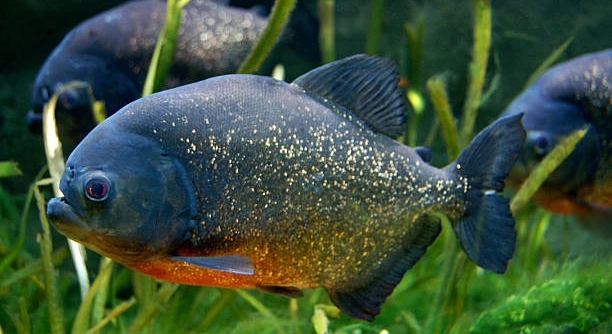
A peaceful tank creates a calm environment where fish and plants thrive quietly. Observing this tranquility reveals unique behaviors and moments rarely seen in busy or crowded aquariums. These subtle details define what makes a tank truly peaceful.
A peaceful tank displays distinct features such as minimal fish aggression, gentle water flow, clear water conditions, healthy plant growth, synchronized swimming patterns, restful hiding spots, and subtle social interactions among inhabitants. These traits indicate stability and balance within the aquatic ecosystem.
Recognizing these signs helps maintain harmony and promotes the well-being of all tank inhabitants. This article outlines the key indicators found only in truly peaceful tanks.
Minimal Fish Aggression
In a peaceful tank, fish show very little to no aggression toward each other. This calm behavior results from proper species selection, enough space, and adequate hiding spots. Aggressive fish disrupt tank harmony by chasing or nipping at others, causing stress and potential injury. Peaceful tanks have fish that coexist quietly, often swimming side by side without conflict. This behavior indicates good water quality, balanced diet, and well-maintained territory boundaries. Stress-free fish tend to display natural colors and patterns more vividly. Tank keepers often notice that fish in peaceful tanks spend more time exploring or resting calmly rather than darting around or hiding. This calmness creates a relaxing atmosphere and reflects the health of the entire system.
Minimal aggression in fish supports overall tank stability and encourages natural behavior. Peaceful interactions reduce stress and contribute to longer lifespans for aquarium inhabitants.
Maintaining minimal aggression requires observing fish interactions regularly and providing suitable environments that meet species-specific needs. Selecting compatible fish and offering multiple hiding places prevent territorial disputes. Proper feeding schedules also keep fish satisfied and less competitive. Overcrowding should be avoided to reduce tension. By managing these factors, peaceful coexistence becomes the norm, benefiting both fish and tank owners. This balance makes the aquarium more enjoyable and visually appealing.
Gentle Water Flow
A peaceful tank features gentle water movement that mimics natural aquatic habitats. Strong currents stress fish, making it harder for them to swim comfortably and maintain energy. Gentle flow provides sufficient oxygenation and circulation without overwhelming inhabitants. Proper filtration supports this by keeping water clean without excessive turbulence. Plants also benefit from mild water movement, promoting nutrient exchange and healthy growth. Fish in such tanks tend to display more relaxed swimming patterns and spend time near filter outlets or plants where flow is steady but not forceful. This water condition contributes to a calm environment where fish feel secure and thrive. Careful selection of filters and pump settings ensures the right balance for a peaceful tank.
Gentle water flow is key to reducing fish stress and encouraging natural behaviors. It supports a stable ecosystem with healthy plants and fish.
To maintain gentle water flow, use adjustable filters or pumps that allow fine control of current speed. Placement of decorations and plants can help diffuse strong currents by creating calm zones. Regular maintenance prevents blockages that might cause irregular flow. Monitoring water parameters ensures the system remains balanced and suitable for all tank inhabitants. This careful management creates a peaceful aquatic environment that supports long-term tank health and enhances viewing pleasure.
Clear Water Conditions
Clear water is a sign of a well-maintained and peaceful tank. It shows that filtration and water changes are effective and the tank environment is balanced.
Maintaining clear water requires regular cleaning, including partial water changes and filter maintenance. Excess waste, leftover food, and decaying plants can cloud the water and cause harmful ammonia buildup. Testing water parameters frequently helps catch issues before they escalate. A peaceful tank avoids overcrowding, which can contribute to poor water quality. Clean water supports healthy fish and plants by providing a stable environment free from toxins.
Clear water also enhances the tank’s visual appeal, allowing natural colors and details to stand out. It reflects good husbandry practices and creates a healthy space for fish to thrive. Keeping water clear requires consistent attention, but it is essential for sustaining tank peace and longevity.
Healthy Plant Growth
Healthy plants are vital for a peaceful tank’s ecosystem. They provide shelter, oxygen, and natural filtration, helping maintain water quality and reducing stress for fish.
Proper lighting, nutrient supplementation, and CO2 balance are necessary for robust plant growth. Healthy plants absorb excess nutrients and toxins, limiting algae growth and stabilizing the tank environment. They create hiding spots and resting areas for fish, promoting natural behavior and reducing aggression. Slow-growing plants with sturdy leaves often do best in peaceful tanks, as they withstand nibbling and support long-term stability. Regular trimming and removal of decayed leaves keep the plants vibrant and prevent organic waste buildup.
Well-maintained plants contribute to a balanced ecosystem and enhance the peaceful atmosphere. They support fish health and create a natural habitat that encourages calm and content aquatic life.
Synchronized Swimming Patterns
Fish in a peaceful tank often swim in coordinated groups or follow gentle, rhythmic movements. This behavior shows a calm environment without stress or territorial disputes.
Synchronized swimming also indicates strong social bonds and comfort among tank inhabitants. It helps reduce aggression and fosters a balanced community.
Restful Hiding Spots
Providing ample hiding spots helps fish feel safe and secure. These areas reduce stress and encourage natural behavior by offering refuge during rest or when threatened.
Hiding places can include caves, plants, or decorations. Well-designed shelters support a peaceful atmosphere and overall tank health.
Subtle Social Interactions
Fish in peaceful tanks display quiet social behaviors like gentle nudging or swimming side by side. These interactions show trust and stable social structure without dominance struggles. Subtle cues help maintain harmony and reduce conflicts within the community.
Stable Ecosystem Balance
A peaceful tank maintains stable water parameters and nutrient cycles. Balanced bacteria levels and waste breakdown prevent harmful spikes in toxins, supporting healthy fish and plants. This stability is essential for long-term tank success and tranquility.
What causes a tank to be peaceful?
A peaceful tank results from balanced conditions that meet the needs of all its inhabitants. This includes choosing compatible fish species, providing enough space, proper filtration, and maintaining stable water parameters. Avoiding overcrowding and aggressive fish reduces stress and conflict. A peaceful tank encourages natural behaviors and healthy growth.
How can I reduce aggression in my fish tank?
To reduce aggression, select species known for calm temperaments and similar environmental needs. Provide plenty of hiding spots and visual barriers to break lines of sight. Maintain proper stocking levels to avoid overcrowding. Feeding fish adequately prevents competition. Regular observation helps identify and separate aggressive individuals before conflicts escalate.
Why is gentle water flow important in a peaceful tank?
Gentle water flow creates a comfortable environment that resembles natural habitats. Strong currents tire fish and cause stress. Mild flow supports oxygenation and nutrient distribution without disturbing fish. Proper flow also helps plants thrive by preventing stagnation and encouraging healthy root systems.
What steps keep tank water clear?
Clear water depends on effective filtration, regular partial water changes, and removing debris. Avoid overfeeding, which causes excess waste and cloudy water. Use test kits to monitor ammonia, nitrite, and nitrate levels. Cleaning substrate and trimming dead plant matter also improves clarity.
How do plants contribute to tank peace?
Plants provide shelter, oxygen, and natural filtration, which reduce toxins and support fish health. Healthy plants create hiding spots that lower stress and aggression. They also absorb excess nutrients, preventing algae growth. A well-planted tank mimics natural environments, encouraging peaceful fish behavior.
Can fish really swim together peacefully?
Yes. Many peaceful species swim in synchronized groups or schools. This behavior reduces stress and offers protection. Coordinated swimming is a sign of comfort and a stable social hierarchy. It enhances the tank’s overall harmony and visual appeal.
What role do hiding spots play?
Hiding spots allow fish to retreat when stressed or resting. This security decreases aggression and prevents injury. Well-placed caves, plants, and decorations create natural refuges. Multiple hiding areas help reduce territorial disputes and keep fish calm.
How can I tell if my tank ecosystem is stable?
A stable ecosystem shows consistent water parameters, clear water, healthy fish and plants, and balanced bacteria populations. Fish behave normally, with minimal stress signs. Waste breakdown is efficient, avoiding toxin buildup. Stability requires regular testing, maintenance, and careful monitoring of all tank elements.
What if one fish is causing stress in the tank?
Remove or isolate the aggressive fish to protect others. Sometimes changing tank layout or adding more hiding spots helps. Adjust feeding schedules or reduce overcrowding. In severe cases, rehoming the problematic fish may be necessary to restore peace.
How often should I maintain a peaceful tank?
Routine maintenance includes weekly water testing, partial water changes, filter cleaning, and substrate vacuuming. Regular trimming of plants and removing dead material keeps the tank balanced. Consistent care prevents problems before they affect the tank’s peace.
Does tank size affect peace?
Yes, larger tanks offer more space for fish to establish territories and reduce conflicts. Overcrowding in small tanks often leads to aggression and poor water quality. Choose tank size based on the number and species of fish planned.
Are certain fish species better for peaceful tanks?
Species like tetras, guppies, danios, and some catfish are known for peaceful behavior. Avoid aggressive or territorial fish that may disrupt harmony. Research species compatibility before introducing new fish to maintain a calm environment.
What is the impact of feeding on tank peace?
Proper feeding reduces competition and stress. Overfeeding causes waste buildup and poor water quality, increasing tension. Feeding small amounts multiple times daily helps maintain balance and keeps fish satisfied.
Can lighting affect tank peace?
Lighting influences plant growth and fish behavior. Too bright or inconsistent light can stress fish and promote algae. Gentle, consistent lighting schedules support peaceful tank conditions and healthy plants.
How do I encourage natural behaviors in my peaceful tank?
Create an environment that mimics natural habitats with plants, hiding spots, and gentle water flow. Maintain stable conditions and avoid overcrowding. Proper feeding and compatible species selection allow fish to express natural social and feeding behaviors.
Maintaining a peaceful tank requires attention to many small details that together create a balanced and calm environment. The health of fish and plants depends on clean water, proper filtration, and stable water parameters. Overcrowding and incompatible species can lead to stress and aggression, so careful planning is essential. Providing hiding spots and plants offers fish places to feel safe, reducing tension and encouraging natural behaviors. These elements work together to support the overall peace within the tank, making it a healthy space for aquatic life to thrive.
A peaceful tank also relies on consistent care and monitoring. Regular water changes and filter maintenance keep the environment clean and free of harmful substances. Testing water quality often helps detect potential problems early. Feeding fish the right amount and choosing species that get along well are important steps to avoid conflicts. When fish can swim comfortably without competition or fear, they display behaviors like synchronized swimming and subtle social interactions, which are signs of a balanced community.
The benefits of a peaceful tank go beyond the wellbeing of the fish. Clear water, healthy plants, and calm fish create a beautiful and relaxing display. A well-maintained tank brings enjoyment and satisfaction to the keeper. Taking time to observe the subtle signs of harmony in the tank helps ensure long-term success. By focusing on these factors, it is possible to create an environment that supports the health and happiness of all its inhabitants. This effort results in a stable, peaceful aquarium that remains a rewarding feature of any home.

Hello,
If you enjoy the content that we create, please consider saying a "Thank You!" by leaving a tip.
Every little bit helps us continue crafting quality advice that supports the health, happiness, and well-being of pets around the world, for pets of all shapes, sizes, and species.
We really appreciate the kindness and support that you show us!