
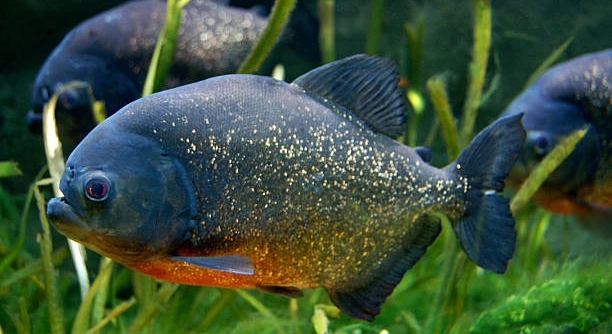
Male and female piranhas show distinct differences in their behavior. These differences affect their feeding habits, territorial actions, and social interactions in their natural environment. Understanding these traits can offer insight into their ecological roles.
Male and female piranhas differ primarily in aggression levels, reproductive behavior, and group dynamics. Males tend to be more territorial and protective during breeding, while females often display different feeding patterns and social behaviors related to their reproductive cycles.
Recognizing these behavioral distinctions helps clarify piranha ecology and supports better observation or study of these fascinating fish. The following sections highlight seven key ways their behaviors vary.
Aggression and Territorial Behavior
Male piranhas are generally more aggressive than females, especially during breeding seasons. They establish and fiercely defend territories to attract mates and protect their eggs. This aggression can include chasing away other fish and displaying threatening postures. Female piranhas are less territorial but may still defend their space when necessary. This difference helps males secure breeding opportunities while females focus more on feeding and egg development. Outside breeding periods, both males and females may form schools, but males often maintain dominance within these groups. These behaviors influence how piranhas interact with their environment and other species.
Males use aggressive displays to secure and defend prime breeding sites, ensuring higher chances of reproductive success.
Female piranhas tend to be less confrontational but will protect their immediate surroundings when necessary. This balance between aggression and caution allows the species to maintain stable populations. Aggression in males is essential for mating but also increases risk during conflicts. Understanding these behaviors can assist in observing piranhas in natural habitats or captivity, where space and resources are limited. This knowledge helps in managing their care and study by recognizing natural patterns and triggers.
Feeding Patterns
Male and female piranhas exhibit different feeding behaviors depending on their physiological needs and roles in reproduction.
Feeding Patterns
Females often feed more frequently and selectively than males, especially when preparing to spawn. Their diet can shift toward nutrient-rich food to support egg development. Males tend to be more opportunistic feeders, focusing on quantity over quality during non-breeding periods.
Female piranhas prioritize high-protein food sources, such as smaller fish and insects, to build energy reserves for reproduction. Their feeding behavior becomes more cautious to avoid injury during vulnerable periods. In contrast, males exhibit a more aggressive approach when feeding, often taking advantage of group feeding to secure more food. This behavior supports their territorial and breeding activities, ensuring they maintain strength to defend their nesting sites.
The feeding differences also influence their social dynamics. Females often retreat to safer areas during feeding, minimizing conflict, while males may dominate feeding spots. These patterns help maintain balance in piranha populations, ensuring both sexes meet their distinct biological needs efficiently.
Reproductive Behavior
Male piranhas create and guard nests during the breeding season to protect eggs from predators and rivals. They are highly involved in parental care, which includes cleaning and aerating the eggs. This behavior helps increase offspring survival rates.
Females lay eggs in these guarded nests and usually leave the parental duties to males. They select mates based on the quality of the nest and the male’s display of strength and health. Males’ dedication to nest defense and care is crucial for reproductive success and species continuation. This role reversal in parenting is a significant behavioral distinction between the sexes.
This reproductive strategy affects their interaction and energy allocation. Males invest heavily in territorial defense and offspring protection, sometimes at the cost of reduced feeding. Females focus on energy accumulation before spawning, allowing them to produce healthier eggs. This division of roles supports a successful breeding cycle, ensuring both sexes contribute to population stability in complementary ways.
Schooling Behavior
Female piranhas tend to form larger schools than males, which provides safety in numbers and helps reduce individual risk from predators. Males often break away from schools to establish territories or during breeding seasons.
Males are more likely to be solitary or form smaller groups, especially when defending nests. This separation supports their territorial and protective behaviors but can increase their exposure to threats.
Communication Methods
Piranhas use body language, sounds, and movement patterns to communicate, with males showing more aggressive signals during territorial disputes. Females rely more on subtle cues during social interactions within schools.
Response to Threats
Males often respond to threats by aggressively confronting intruders, while females are more likely to flee or hide within the group for protection.
What are the main behavioral differences between male and female piranhas?
Male piranhas are generally more aggressive and territorial, especially during breeding seasons. They defend nesting sites vigorously and engage in more direct confrontations. Females tend to be less aggressive and more social, often forming larger schools for protection. Their feeding habits also differ, with females focusing on nutrient-rich foods to support egg development while males feed opportunistically.
How do male piranhas protect their offspring?
Males take on the primary role of guarding the nests. They clean and aerate the eggs, ensuring a higher survival rate. This parental care involves chasing away predators and rivals. Females typically lay eggs and then leave the males to manage nest defense and care until the young hatch.
Why do females form larger schools than males?
Schooling offers safety in numbers, which is especially important for females during vulnerable periods like egg development. Females benefit from the reduced risk of predation in groups. Males, on the other hand, often separate to maintain territories and focus on breeding duties, which requires solitary or smaller group behavior.
Are male piranhas always aggressive?
No, male aggression peaks during breeding seasons when territory and mates need defending. Outside these times, males can be less aggressive, sometimes joining schools or feeding groups. Their aggression is closely tied to reproductive success and resource defense.
Do females show any territorial behavior?
Females are generally less territorial than males. While they may defend a small area when necessary, their behavior focuses more on feeding and social interactions within schools. Territoriality is mainly a male trait linked to breeding.
How do feeding habits differ between sexes?
Females tend to choose higher-quality, nutrient-rich food, often feeding more cautiously to support reproductive needs. Males feed more aggressively and opportunistically, focusing on quantity to maintain energy for territorial defense and mating.
Do males and females communicate differently?
Yes, males use more aggressive signals, such as body postures and sounds, to assert dominance and defend territories. Females rely on subtler communication methods, using movement and positioning within schools to maintain social harmony.
What triggers male aggression?
Male aggression is mostly triggered by the presence of rivals near nesting sites and during mating periods. Defending territory from intruders is critical for reproductive success, making aggression a necessary behavior.
How do females behave when threatened?
Females typically avoid confrontation by fleeing or hiding within schools. Their safety strategy depends on collective defense, unlike males who confront threats directly to protect their nests.
Can males and females be kept together in captivity?
Yes, but understanding their behavioral differences is important. Males may become territorial and aggressive, especially if breeding conditions are present. Providing enough space and hiding spots can reduce conflicts. Females tend to be less aggressive, making schooling easier in captivity.
How do reproductive roles affect male and female behavior?
Males invest energy in territory defense and parental care, which often limits their feeding opportunities. Females focus on accumulating nutrients and producing healthy eggs, leading to different activity patterns and priorities between sexes.
Are there seasonal changes in behavior?
Yes, many behavioral differences become more pronounced during breeding seasons. Males increase aggression and territoriality, while females adjust feeding habits to support reproduction. Outside breeding times, these differences can be less obvious.
What role does size play in behavior differences?
Males are sometimes larger or more robust, helping them defend territories and nests effectively. Size supports aggressive displays and physical confrontations. Females may be smaller or more streamlined to aid in schooling and feeding efficiency.
Do environmental factors influence these behaviors?
Yes, factors like food availability, water conditions, and population density can affect aggression, schooling, and feeding behaviors. Stress or habitat changes can intensify or reduce typical male-female differences.
How can observing these behaviors help in research or care?
Recognizing behavioral distinctions aids in species management, conservation efforts, and aquarium care. It helps predict interactions, reduce stress, and support healthy breeding. Understanding male-female dynamics is essential for maintaining balanced piranha populations.
The behavioral differences between male and female piranhas highlight how each sex adapts to its role in survival and reproduction. Males show more aggression and territoriality, especially during breeding seasons, to protect their nests and ensure the safety of their offspring. Females, on the other hand, tend to be more social and cautious, forming larger schools that provide protection through numbers. These distinct behaviors serve important functions that help maintain the balance within piranha populations and their aquatic environments.
Understanding these behavioral patterns can be useful for anyone studying or caring for piranhas, whether in the wild or captivity. Recognizing that males may become more aggressive during breeding helps in managing space and reducing conflicts. Likewise, knowing females often seek safety in groups can guide decisions about tank setups or habitat conservation. Both sexes have unique needs that affect feeding habits, social interactions, and responses to threats. A clear awareness of these differences promotes better care practices and supports the species’ natural cycles.
These natural behaviors also reflect broader biological principles seen in many animal species, where males and females develop different strategies for survival and reproduction. Male piranhas’ focus on defense and territoriality contrasts with females’ emphasis on feeding and social safety. Both approaches are necessary for the species to thrive. Paying attention to these differences enhances our understanding of piranhas as complex animals with varied behaviors shaped by their environment and life stages. This knowledge encourages respect for their role in aquatic ecosystems and informs efforts to protect them.

Hello,
If you enjoy the content that we create, please consider saying a "Thank You!" by leaving a tip.
Every little bit helps us continue crafting quality advice that supports the health, happiness, and well-being of pets around the world, for pets of all shapes, sizes, and species.
We really appreciate the kindness and support that you show us!