
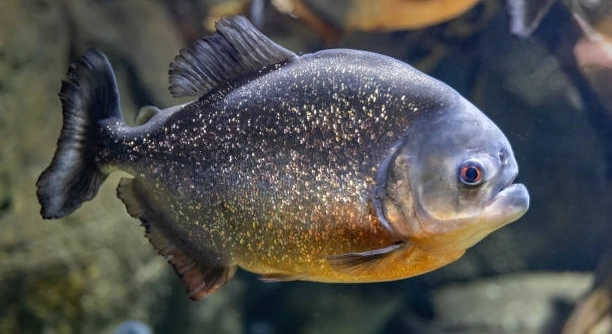
Piranhas are known for their sharp instincts and quick reactions in the water. Their behavior often depends on subtle signals from their environment. Understanding what tank details attract their attention is key to keeping them comfortable and healthy.
Piranhas pay close attention to specific tank conditions such as water temperature, clarity, hiding spots, lighting, tank size, current strength, and the presence of other fish. These factors influence their stress levels, feeding behavior, and social interactions.
Knowing these important details can help improve the care and management of piranha tanks. The following points explain what to focus on for a balanced and suitable environment.
Water Temperature and Clarity
Maintaining the correct water temperature is crucial for piranhas. They thrive best in temperatures between 74°F and 82°F (23°C to 28°C). If the water is too cold or too warm, their metabolism and immune system can suffer. Clear water is equally important. Cloudy or dirty water stresses piranhas and can lead to illness. Regular water changes and good filtration help maintain clarity. Checking the temperature daily ensures it stays within the ideal range. Using a reliable aquarium heater and thermometer is a simple way to control the temperature. The combination of clean, clear water and stable warmth creates an environment where piranhas feel secure and active. Ignoring these details can reduce their lifespan and affect their behavior negatively.
Water temperature and water clarity work together to create a healthy tank environment. Both must be monitored closely for piranhas to thrive.
Keeping the water clear and within the proper temperature range helps piranhas stay active, healthy, and less stressed, making the tank a better habitat overall.
Hiding Spots and Tank Size
Piranhas naturally seek places to hide and feel safe. Providing adequate hiding spots such as plants, rocks, or caves reduces their stress and aggression. These spaces mimic their natural environment and allow them to rest when needed. Tank size is another important factor. Piranhas need enough room to swim freely without feeling cramped. A minimum tank size of 30 gallons is recommended for one piranha, with larger tanks needed for groups. Overcrowding can lead to increased aggression and poor water quality. Adequate space combined with hiding places promotes healthier social behavior and reduces territorial disputes. When setting up a tank, consider both the number of piranhas and the amount of available shelter to maintain balance and peace in the tank.
Lighting and Current Strength
Proper lighting affects piranhas’ activity levels. Too much light can cause stress, while too little may make them inactive. A balanced light cycle, mimicking natural day and night patterns, helps maintain their normal behavior.
Adjustable aquarium lights allow control over intensity and duration. It is best to provide around 10–12 hours of light daily. Soft lighting paired with shaded areas lets piranhas choose their comfort level. Sudden changes in lighting should be avoided, as they can startle the fish and disrupt their routine. Lighting also influences plant growth, which can contribute to a healthier tank environment overall.
Water current strength matters because piranhas prefer gentle to moderate flow. Strong currents can exhaust them or cause stress. Installing a filter with adjustable flow settings helps manage the current. Positioning equipment to reduce direct strong flow creates a calm swimming area. A well-balanced current supports proper oxygenation without overwhelming the fish.
Presence of Other Fish
Piranhas are naturally aggressive and territorial, so tank mates must be chosen carefully. Peaceful or slow-moving fish may become targets, causing stress or injury. Suitable companions should be robust and fast enough to avoid conflicts.
Adding compatible species can reduce loneliness and stimulate natural behavior. However, overcrowding should be avoided to maintain water quality and prevent fights. Monitoring interactions closely during initial introduction is essential. Gradually acclimating new fish helps reduce aggression and allows piranhas to adjust. Inappropriate tank mates often lead to injuries or death, which stresses the entire tank.
It is best to research specific species that can coexist with piranhas. Avoid small or brightly colored fish, as these tend to provoke attacks. Large, similarly sized fish that can handle themselves make better choices. Proper tank size and ample hiding spots also help minimize tensions among different fish.
Tank Size and Space
Adequate tank size is essential for piranhas to swim comfortably and reduce aggression. A minimum of 30 gallons per fish is recommended.
Providing enough space prevents overcrowding, lowers stress, and supports healthier behavior in piranhas.
Feeding Behavior and Diet
Piranhas are omnivores but prefer protein-rich diets. Feeding them a mix of pellets, live or frozen foods, and occasional vegetables keeps them healthy. Overfeeding should be avoided to prevent water quality issues. Consistent feeding times help regulate their behavior and reduce aggression. It is important to remove uneaten food promptly to maintain tank cleanliness. A varied diet supports proper growth and vibrant colors.
Water Quality Monitoring
Regular testing of water parameters like pH, ammonia, and nitrate levels is critical. Clean water promotes good health and reduces disease risk in piranhas.
FAQ
What is the ideal water temperature for piranhas?
The ideal water temperature for piranhas ranges between 74°F and 82°F (23°C to 28°C). Keeping the temperature stable within this range supports their metabolism and immune function. Sudden changes or extremes can stress the fish and lead to illness.
How often should I change the water in my piranha tank?
Regular water changes are essential to maintain water quality. A 20-30% water change every week is recommended. This helps remove waste and toxins while keeping the environment clean and healthy for your piranhas.
Can piranhas live with other fish?
Piranhas are aggressive and territorial, so tank mates must be chosen carefully. Large, fast-moving fish that can handle themselves are the best options. Avoid small or brightly colored fish, as these often trigger attacks. Proper tank size and hiding spots reduce conflicts.
How many piranhas should be kept together?
Piranhas can be kept in groups, but overcrowding causes stress and aggression. A minimum tank size of 30 gallons per piranha helps provide enough space. Keeping too many fish in a small tank leads to poor water quality and fights.
What should I feed my piranhas?
A balanced diet includes high-quality pellets, live or frozen protein foods like shrimp or fish, and occasional vegetables. Avoid overfeeding to maintain water quality. Feed small amounts regularly rather than one large feeding to keep them healthy.
How do I prevent piranhas from becoming aggressive?
Providing adequate space, hiding spots, and a proper diet helps reduce aggression. Keeping consistent light cycles and stable water parameters also lowers stress. Avoid overcrowding and introduce tank mates gradually to minimize fights.
What water parameters are important to monitor?
Keep an eye on pH (ideally 6.5 to 7.5), ammonia, nitrite, and nitrate levels. Ammonia and nitrites should be near zero, and nitrates kept low through regular water changes. Stable conditions prevent illness and support healthy fish.
How often should I clean the tank and filter?
The tank needs partial water changes weekly, but full cleanings should be minimal to preserve beneficial bacteria. Clean filters every 2-4 weeks by rinsing in tank water to avoid killing helpful microbes that maintain water quality.
Do piranhas need hiding spots?
Yes, hiding spots reduce stress and aggression. They mimic natural environments where piranhas feel safe. Use plants, rocks, or caves to create shaded areas where fish can rest or escape conflicts.
Why is tank size important for piranhas?
Tank size affects space for swimming and territory. Too small a tank increases aggression and poor water quality. Larger tanks allow piranhas to behave naturally and reduce stress from overcrowding.
How can I tell if my piranha is stressed?
Signs of stress include hiding excessively, loss of appetite, erratic swimming, and faded colors. Stress often comes from poor water quality, wrong temperature, overcrowding, or lack of hiding spots.
Can piranhas live alone?
Piranhas can live alone, but they are social fish that often do better with others if space allows. Alone, they may become bored or stressed, so it’s important to provide enrichment and maintain stable tank conditions.
What type of lighting is best for piranhas?
Moderate lighting that mimics a natural day-night cycle is best. Too bright lighting causes stress, while dim lighting makes them inactive. Providing shaded areas helps piranhas control their exposure.
Is it necessary to use a heater in a piranha tank?
Yes, since piranhas require warm water, a reliable aquarium heater is needed to keep temperature stable, especially in cooler climates or indoor environments.
How long do piranhas typically live in captivity?
With proper care, piranhas can live 10 to 15 years. Maintaining good water quality, diet, and tank conditions contributes to their longevity. Neglect or poor environment shortens their lifespan.
Final Thoughts
Keeping piranhas requires attention to many details to ensure they stay healthy and behave naturally. Understanding the key tank factors such as size, water quality, lighting, and companions helps create a stable environment. Piranhas are sensitive fish that respond to their surroundings, so maintaining proper conditions reduces stress and aggression. Providing enough space and hiding spots allows them to feel secure. Monitoring water parameters regularly prevents health issues. A consistent routine in feeding and tank maintenance supports their well-being over time.
Feeding piranhas a balanced diet is essential to keep them strong and active. A variety of foods including pellets, live or frozen protein, and some vegetables offers the necessary nutrients. Overfeeding should be avoided to protect water quality and prevent obesity. Feeding small amounts more frequently encourages natural behavior and digestion. Watching how your piranhas respond during feeding times can also provide insight into their health and mood. Regularly cleaning uneaten food and waste is important to avoid pollution in the tank.
Overall, piranhas need careful care but can thrive when their needs are met properly. Providing the right environment, diet, and tank mates helps them live longer and reduces aggressive behavior. Understanding what piranhas pay attention to in their tanks allows for better management of their habitat. This leads to a healthier, more balanced aquarium that benefits both the fish and the owner. Paying attention to these details will make maintaining a piranha tank a rewarding experience.

Hello,
If you enjoy the content that we create, please consider saying a "Thank You!" by leaving a tip.
Every little bit helps us continue crafting quality advice that supports the health, happiness, and well-being of pets around the world, for pets of all shapes, sizes, and species.
We really appreciate the kindness and support that you show us!