
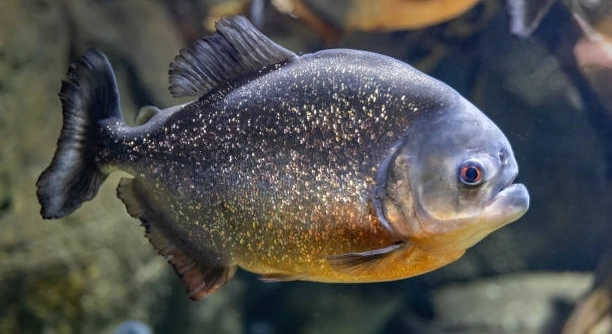
Piranhas are often seen as fierce fish, known for their sharp teeth and strong jaws. They live in groups and behave in ways shaped by natural instincts. Understanding what drives their actions helps us learn more about their nature.
Piranha behavior is influenced by instincts related to feeding, protection, social interaction, reproduction, territory defense, survival, and communication. These instincts guide their group dynamics and survival strategies in their natural habitats.
Knowing these instincts reveals how piranhas live and interact, offering a clearer picture of their complex behavior beyond just their fearsome reputation.
Feeding Instinct
Piranhas have a strong feeding instinct that drives much of their behavior. They use their sharp teeth to tear through flesh quickly, which helps them catch prey and protect their food from others. In groups, this instinct pushes them to feed aggressively, especially when food is scarce. Their keen sense of smell helps them detect blood and movement in the water, signaling a potential meal nearby. This instinct is essential for their survival in the wild. It also explains why they often gather in schools, increasing their chances of finding and capturing food. When food is plentiful, their feeding becomes less frenzied, showing how this instinct adjusts based on the situation. Understanding this behavior shows how important feeding is to piranhas’ daily life and survival.
Feeding instincts also help maintain group order during meals. Each piranha knows when to bite and when to wait, reducing conflict.
This feeding drive highlights how piranhas are adapted to their environment. It is not just about aggression, but survival and efficiency. Their feeding instinct ensures they make the most of opportunities and avoid unnecessary fights that could harm the group. In addition, feeding patterns influence how piranhas interact socially, showing cooperation when needed.
Protection and Safety
Piranhas instinctively protect themselves by staying in groups. This safety in numbers helps reduce the risk of being attacked by larger predators. They stay close and alert, quickly responding to danger signals in the water. The school acts as a shield, confusing predators and reducing individual risk.
Protection instincts make piranhas highly vigilant and reactive. They often freeze or scatter when threatened.
In their natural habitats, piranhas face many threats from animals like caimans, birds, and larger fish. Their group behavior helps protect each member, making it harder for predators to single out one fish. This instinct to stay close and react as one keeps the school safe. It also shapes how piranhas move and communicate, using body signals and quick movements to warn others. Protection drives much of their social structure and explains why solitary piranhas are rare. By instinctively guarding each other, they increase the chances of survival for everyone in the group.
Social Interaction
Piranhas rely on social interaction to maintain their group structure. They communicate through body movements and small sounds. This helps them coordinate hunting and protection efforts, keeping the school organized and efficient.
Within the group, piranhas display clear roles during feeding and movement. Some lead the school while others follow, responding to signals that show danger or food nearby. This social behavior reduces chaos and fights. It allows the group to act like a single unit, which improves their survival chances. Social interaction also helps young piranhas learn behaviors from older fish. The group supports weaker or injured members until they recover or leave the school.
Piranhas’ social instincts also prevent unnecessary aggression within the group. They establish a balance between competition and cooperation. This careful balance allows them to share resources and space, which benefits everyone. It shows that even fierce fish depend on teamwork and communication to thrive in their environment.
Reproductive Instinct
Piranhas have a strong reproductive instinct that drives their behavior during breeding season. Males become more territorial and protective to ensure the survival of their offspring. They guard nests carefully and chase away threats.
This instinct causes males to show brighter colors and increased aggression to attract females. They build nests in shallow waters, where females lay eggs. After laying, both parents guard the eggs until they hatch. This care increases the chances of young piranhas surviving in a dangerous environment. The reproductive instinct also influences group behavior, with schools breaking into smaller groups for breeding purposes. This temporary separation helps reduce competition and gives offspring a better start. Reproduction is vital for maintaining piranha populations and shaping their natural cycles.
Territory Defense
Piranhas instinctively defend their territory from intruders. They use displays of aggression and swift attacks to warn others away. This behavior helps protect their food sources and breeding areas.
Territory defense keeps schools from overlapping too much. It ensures each group has enough space and resources to survive.
Survival Instinct
Survival instinct in piranhas drives their quick reactions to threats. They rely on sharp senses and fast swimming to escape predators or dangerous situations. This instinct also pushes them to stay alert and avoid unnecessary risks.
Communication
Piranhas communicate through sounds, body language, and movement. This helps the group coordinate during feeding, defense, and social interaction. Clear communication reduces conflict and keeps the school functioning smoothly.
Group Behavior
Living in groups protects piranhas and improves their hunting success. Group behavior is guided by instincts that encourage cooperation and shared awareness of dangers. This social structure is essential for their survival in the wild.
FAQ
What makes piranhas so aggressive?
Piranhas are driven by instincts related to feeding and protection. Their sharp teeth and quick bites help them catch prey and defend food sources. When food is limited, this instinct can make them appear very aggressive. However, they often avoid unnecessary fights within their group to survive better.
Are all piranhas dangerous to humans?
Not all piranhas pose a serious threat to humans. Most species are shy and avoid contact. Attacks are rare and usually happen when the fish feel threatened or are in a feeding frenzy. Piranhas mainly feed on smaller fish and aquatic animals, so humans are not typical prey.
How do piranhas communicate with each other?
Piranhas use body movements, changes in color, and low-frequency sounds to communicate. These signals help coordinate feeding, warn about danger, and establish social hierarchy. Communication keeps the group organized and reduces conflicts among members.
Do piranhas live alone or in groups?
Piranhas almost always live in schools, which provide safety and improve their chances of finding food. Living in groups helps protect each fish from predators and makes hunting more effective. Solitary piranhas are uncommon and usually only happen when an individual is forced out.
How do piranhas protect themselves from predators?
Piranhas protect themselves by staying in schools and using quick movements to escape threats. Their sharp teeth can also defend against attackers if necessary. Group behavior confuses predators and lowers the chance of any single fish being caught.
What role does reproduction play in piranha behavior?
Reproductive instincts make male piranhas more territorial and aggressive during breeding seasons. They guard nests and protect eggs to ensure the survival of their offspring. This behavior often causes temporary changes in group size and structure.
Why do piranhas defend territories?
Defending territory helps piranhas protect important resources like food and breeding sites. By keeping other schools away, they reduce competition and increase their chances of survival. Territory defense is usually shown through aggressive displays rather than constant fighting.
Can piranhas survive in different water conditions?
Piranhas are adaptable and can live in various freshwater habitats like rivers, lakes, and flooded forests. They prefer warm water with plenty of cover. Their instincts help them find safe spots and food sources even in changing environments.
How fast can piranhas swim?
Piranhas are quick swimmers, able to dart suddenly to catch prey or escape danger. Their speed is an important part of their survival instinct, helping them react to threats or take advantage of feeding chances quickly.
What happens if a piranha is injured or sick?
Injured or sick piranhas may be temporarily supported by the group, but they often become weaker and may be left behind. The school’s survival depends on the strength of its members, so weak individuals usually don’t stay long in the group.
Do piranhas have natural predators?
Yes, many animals prey on piranhas, including larger fish, birds, and reptiles like caimans. Their defense instincts and group behavior help protect them, but they remain an important food source in their ecosystem.
How do piranhas find food in murky water?
Piranhas have a strong sense of smell and sensitive lateral lines that detect movement and vibrations in the water. These instincts allow them to locate food even when visibility is low.
Are piranhas important to their ecosystem?
Piranhas play a key role by controlling fish populations and cleaning up dead animals. Their feeding habits help keep water habitats balanced and healthy.
What triggers a piranha feeding frenzy?
A feeding frenzy often starts when blood or injured prey is present. This triggers strong feeding instincts in many fish, causing them to bite quickly and aggressively. These events are usually brief and end once food is gone.
Can piranhas be kept in home aquariums?
Piranhas can be kept in aquariums but require special care and enough space. Their natural instincts mean they need hiding spots and proper feeding to reduce stress and aggression. They are not suitable for beginners.
Piranhas are often misunderstood because of their sharp teeth and fierce reputation. Their behavior is guided by natural instincts that help them survive in their environment. These instincts include feeding, protecting themselves, socializing with others, defending territory, and reproducing. Each instinct plays an important role in shaping how piranhas live and interact with each other. Understanding these basic drives helps us see that piranhas are not just dangerous predators but also complex creatures with their own ways of adapting to their surroundings.
The feeding instinct is one of the strongest forces behind piranha behavior. Their sharp teeth and group hunting style make them effective predators, especially when food is limited. But they also work together within their schools to avoid unnecessary fighting. Their social behavior allows them to communicate and cooperate, which increases their chances of survival. At the same time, piranhas stay alert and protect themselves by living in groups, using speed and numbers to avoid becoming prey. These instincts help them stay safe while still being efficient hunters.
Reproduction and territory defense are other important instincts that influence how piranhas act. During breeding season, males become more aggressive to protect their nests and ensure their young survive. Defending territory also helps maintain balance among different groups, keeping enough resources available for all. By understanding these instincts, we get a clearer picture of piranhas as more than just fierce fish. They are well-adapted to their environment, using their natural behaviors to live, grow, and protect themselves in the wild.

Hello,
If you enjoy the content that we create, please consider saying a "Thank You!" by leaving a tip.
Every little bit helps us continue crafting quality advice that supports the health, happiness, and well-being of pets around the world, for pets of all shapes, sizes, and species.
We really appreciate the kindness and support that you show us!