
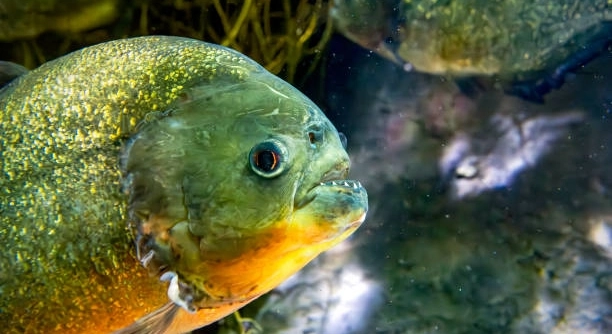
Piranhas are often known for their sharp teeth and fierce reputation. However, these fish also show behaviors that resemble grooming, which many people might find surprising. These actions help them maintain their health and social bonds.
Piranhas display several grooming-like behaviors including cleaning their bodies by rubbing against surfaces, removing parasites, and interacting with other fish to help maintain hygiene. These behaviors are important for their survival and social structure in their natural habitat.
Understanding these behaviors gives us a better view of piranhas beyond their fearsome image and reveals their more complex nature. Exploring these habits highlights how piranhas care for themselves and each other.
Rubbing Against Objects for Cleaning
Piranhas often rub their bodies against rocks, plants, or submerged wood to clean themselves. This behavior helps remove algae, dirt, and small parasites from their scales and skin. Since piranhas live in environments with plenty of debris and microorganisms, regular cleaning is necessary to avoid infections. This rubbing also helps keep their bodies smooth, which makes swimming easier. Sometimes, piranhas target specific spots on their bodies where parasites tend to gather. This shows a kind of self-care that is important for their health. It’s a simple but effective way for them to maintain cleanliness without relying on other animals. Even though piranhas are known for their aggressive feeding, they spend a good amount of time keeping themselves well-maintained in their natural habitats. This behavior is an essential part of their daily routine and survival strategy.
Rubbing is a common and effective cleaning method that piranhas use to reduce parasites and keep their scales healthy.
This self-cleaning behavior is part of what helps piranhas stay in good condition. It allows them to avoid diseases that parasites might cause. By rubbing on rough surfaces, piranhas can dislodge dirt and unwanted organisms that settle on their skin. This also makes them less vulnerable to infections. Their habitat often contains many parasites, so this simple action is very important. It is interesting how such a small movement contributes greatly to their overall well-being.
Mutual Cleaning Among Piranhas
Piranhas also groom each other by nibbling gently at hard-to-reach areas. This social grooming helps remove parasites and dead skin from places a fish can’t easily clean by itself. It also strengthens social bonds between members of the group. Mutual cleaning reduces stress and keeps the whole group healthier. It is not just about hygiene but also about cooperation and communication. In a way, this shows that piranhas are more social than people often think. Grooming helps maintain peace and cooperation in their schools, which can be essential for their survival.
Social grooming strengthens group ties while helping piranhas stay clean and parasite-free.
By working together, piranhas improve their chances of staying healthy. This cooperation reduces the risk of parasites spreading in the group. It also helps build trust between individual fish, which is crucial for group living. Without these interactions, piranhas might be more vulnerable to disease and conflict. Grooming behaviors reflect how animals rely on both individual actions and social support to thrive. It’s a reminder that even fierce creatures like piranhas depend on community to stay strong. This behavior is a practical example of nature’s balance between survival and social connection.
Fin and Scale Maintenance
Piranhas regularly clean their fins and scales to keep them in good shape. This behavior helps prevent damage and infections, ensuring they can swim effectively and protect themselves from predators.
Fin and scale maintenance is essential for piranhas because their fins are delicate and prone to tears. Damaged fins can slow them down, making hunting and escaping predators more difficult. By carefully grooming these areas, piranhas avoid problems that could affect their mobility. Keeping scales intact also prevents parasites from entering their bodies through wounds. This regular upkeep is a natural part of their daily routine. Even small injuries can become serious if left untreated, so grooming supports their health and survival. It’s impressive how such simple maintenance plays a big role in their wellbeing.
This care for fins and scales highlights piranhas’ instinctive behavior to protect their physical condition. It shows that despite their tough image, they take time to maintain their bodies carefully. It’s a sign of resilience and adaptation in their environment.
Parasite Removal Through Group Interaction
Piranhas sometimes rely on their group members to remove parasites from hard-to-reach areas. This cooperative behavior helps reduce the parasite load for each individual, keeping the whole group healthier.
Parasite removal through group interaction is a form of social grooming that benefits the entire school. When one piranha cannot reach a spot on its body, another will help by gently biting or rubbing that area. This mutual aid not only reduces parasites but also strengthens social bonds. It increases the chances of survival for the group by lowering the spread of harmful organisms. Such behavior demonstrates cooperation beyond just feeding and protection, showing that piranhas engage in more complex social interactions. Their willingness to help one another reflects a natural balance between competition and teamwork.
By working together to manage parasites, piranhas create a healthier environment for themselves. This shared grooming supports their ability to thrive in often crowded and challenging habitats. It’s a practical strategy that benefits everyone involved.
Scraping Against Rough Surfaces
Piranhas often scrape their bodies against rough surfaces like rocks or driftwood. This helps remove dead skin and parasites that stick to their scales.
This behavior also keeps their skin healthy and smooth, which is important for quick swimming and avoiding infections.
Preening with Their Teeth
Piranhas use their sharp teeth to carefully pick off parasites and debris from their bodies. This precise action helps keep them clean and free from harmful organisms.
Using their teeth for grooming shows how their natural tools serve multiple purposes beyond hunting.
Water Flow Grooming
Piranhas position themselves in currents or near waterfalls to let flowing water help wash away dirt and parasites. This natural bathing aids in maintaining their hygiene without extra effort.
This passive grooming method supports other active behaviors, ensuring piranhas stay clean in various ways.
How do piranhas groom themselves?
Piranhas groom themselves mainly by rubbing their bodies against rough surfaces like rocks or submerged wood. This helps them remove parasites, dead skin, and algae. They also use their sharp teeth to pick off parasites and clean hard-to-reach areas. These actions keep their scales healthy and free from harmful organisms. Additionally, piranhas position themselves in flowing water, like currents or near waterfalls, to let the water naturally wash away debris. These grooming behaviors are essential for their survival because clean skin helps prevent infections and improves swimming efficiency.
Do piranhas groom each other?
Yes, piranhas often groom each other through social grooming. They nibble gently on the scales and fins of other group members to remove parasites that individuals cannot reach on their own. This cooperative behavior strengthens social bonds within the group and helps reduce the spread of parasites. Mutual grooming also lowers stress and promotes group cohesion, which is important for their survival in the wild. This shows that piranhas are social creatures that rely on teamwork for both protection and hygiene.
Why is grooming important for piranhas?
Grooming is crucial because it keeps piranhas healthy and protects them from parasites and infections. Parasites can cause wounds or diseases if left untreated. Clean scales and fins help piranhas swim efficiently, which is necessary for hunting and escaping predators. Grooming also maintains their skin’s condition, preventing damage from rough environments. In social species like piranhas, grooming builds trust and reduces conflicts, improving the group’s overall chances of survival. This combination of hygiene and social interaction highlights how grooming plays a key role in their life.
How do piranhas remove parasites?
Piranhas remove parasites by rubbing against rough surfaces and by using their teeth to pick off unwanted organisms. They also rely on group members to help remove parasites in areas they cannot reach themselves. This social grooming reduces parasite load and improves health for the entire school. The combination of self-cleaning and cooperative grooming ensures that parasites do not accumulate, which can otherwise cause illness or discomfort. This thorough approach to parasite control is vital for their wellbeing.
Are piranhas’ grooming habits similar to other fish?
Somewhat. Many fish species engage in self-cleaning behaviors like rubbing against objects or using water currents. However, piranhas are unique in their social grooming, where individuals help clean each other. This cooperative behavior is less common among fish and shows a higher level of social interaction. Their use of sharp teeth for precise cleaning also stands out. Overall, while grooming is common in aquatic animals, piranhas combine several methods that make their grooming habits quite effective and interesting.
Can grooming behavior reduce aggression in piranhas?
Yes, grooming can reduce aggression by strengthening social bonds within the group. When piranhas groom each other, it helps build trust and lowers stress, which decreases the chances of fights. This cooperative interaction creates a more peaceful environment, making the group more stable. In tight-knit groups, such behaviors are important for survival because less aggression means more energy for feeding and reproduction. Grooming helps balance the competitive nature of piranhas with the need for cooperation.
How often do piranhas groom themselves?
Piranhas groom regularly as part of their daily routine. The frequency depends on their environment and parasite presence. In areas with many parasites, they may groom more often to maintain cleanliness. Grooming happens both actively—rubbing, nibbling, social grooming—and passively, by using water flow to wash off debris. Consistent grooming is necessary to keep their skin and fins healthy. Skipping grooming could lead to health problems, so it’s an important behavior they rarely neglect.
Does grooming affect piranhas’ survival?
Definitely. Grooming helps prevent infections and injuries caused by parasites, which can weaken or kill fish. Healthy fins and scales improve swimming speed and agility, which are crucial for hunting and avoiding predators. Social grooming reduces stress and conflict within groups, increasing the chances of survival. Grooming behaviors, both self-directed and cooperative, are vital adaptations that support the piranhas’ ability to thrive in challenging habitats. It’s clear that grooming is not just about cleanliness—it’s a key factor in their survival strategy.
Piranhas are often thought of only as fierce predators, but their grooming behaviors show a different side. These fish take care of themselves in ways that help keep them healthy and strong. By rubbing against rough surfaces, using their teeth to clean, and helping each other remove parasites, piranhas demonstrate that grooming is an important part of their daily life. These actions help prevent infections, keep their fins and scales in good condition, and improve their ability to swim. Grooming is not just about cleanliness but also about survival.
The social side of grooming is interesting because it reveals cooperation among piranhas. When they groom each other, they build trust and reduce stress within their group. This social grooming helps reduce aggression and supports a peaceful living environment, which is important for fish that live in schools. It also reduces the spread of parasites by making sure every member is cleaned, even in hard-to-reach places. These behaviors show that piranhas depend on both individual care and group cooperation to stay healthy.
Understanding these grooming habits helps us see piranhas in a new light. Instead of only focusing on their sharp teeth and hunting skills, we can appreciate how they maintain their health and relationships with others. Grooming behaviors are practical and necessary, reflecting the natural ways piranhas adapt to their environment. These fish rely on simple but effective actions to protect themselves, showing a balance between survival instincts and social needs. Observing piranhas’ grooming gives us a fuller picture of their lives beneath the water’s surface.

Hello,
If you enjoy the content that we create, please consider saying a "Thank You!" by leaving a tip.
Every little bit helps us continue crafting quality advice that supports the health, happiness, and well-being of pets around the world, for pets of all shapes, sizes, and species.
We really appreciate the kindness and support that you show us!