
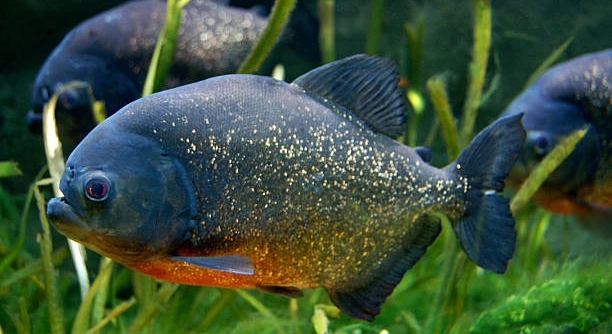
Piranhas live in different water depths to survive and thrive. Their behavior and body adjust to these changes in ways that help them find food and avoid danger. Understanding these changes reveals much about their natural habits.
Piranhas make several key adjustments to water depth, including changes in swimming patterns, feeding behavior, and social interactions. These adaptations help them regulate oxygen intake, avoid predators, and optimize hunting efficiency in varying aquatic environments.
Knowing how piranhas adapt to water depth offers insight into their survival strategies and their role in aquatic ecosystems. This information helps us appreciate the complexity behind their everyday movements.
Changes in Swimming Patterns
Piranhas adjust their swimming depending on the depth of the water. In shallow areas, they tend to swim more actively and in groups to protect themselves from predators. This movement helps them stay alert and ready to react quickly. In deeper water, their swimming becomes slower and more deliberate. This slower pace helps them conserve energy since food can be harder to find. The change in swimming style also aids in balancing oxygen use. When piranhas swim near the surface, they can access more oxygen-rich water, but in deeper areas, they rely on more efficient movement to maintain their breathing. These shifts show how piranhas balance the need to stay safe and feed, adjusting their behavior based on their environment. It is fascinating to see how much their swimming changes simply due to water depth.
Swimming adjustments allow piranhas to better manage their energy and oxygen needs at different depths.
These swimming changes impact how piranhas interact with each other. In groups, swimming patterns help them stay close for protection and hunting, while alone, they move cautiously to avoid danger. The way they swim reflects both their survival instincts and their environment’s demands.
Feeding Behavior Adjustments
Piranhas eat differently depending on how deep the water is. In shallow water, food like insects, small fish, and plants is easier to find near the surface or around plants. Because food is more available, piranhas often feed in groups. This group feeding increases their chances of catching prey but also means they have to share. When piranhas move to deeper water, food becomes scarcer, and they often rely on slower, more patient hunting. They may hunt alone or in smaller groups to avoid competition. Deep water hunting requires piranhas to conserve energy while waiting for prey. They also may feed on different types of food like bottom-dwelling creatures. This shift in diet and feeding style shows how flexible piranhas are, adjusting to the conditions and resources available at each depth. Their ability to switch feeding habits is key to their survival in changing environments.
Oxygen Regulation
Piranhas change how they breathe based on water depth. In shallow water, oxygen is plentiful, so they breathe normally. In deeper water, oxygen levels drop, so they slow their movements and increase gill activity to absorb more oxygen.
This adjustment helps piranhas survive in low-oxygen environments. When swimming in deeper or murkier waters, their bodies work harder to extract oxygen from the water. They may also come closer to the surface occasionally to gulp air. These changes in breathing patterns are vital because oxygen availability can vary greatly with depth, temperature, and water quality.
Piranhas’ ability to regulate oxygen intake allows them to remain active and alert even in challenging conditions. This trait supports their hunting and survival, helping them adapt quickly as they move between shallow and deep waters.
Social Interaction Changes
Piranhas’ social behavior shifts with water depth. In shallow waters, they are often found in larger groups, which helps protect them from predators. These groups work together to hunt and stay safe.
In deeper waters, piranhas tend to spread out more. Smaller groups or solitary behavior is common to reduce competition for limited food. This separation also helps avoid drawing attention from predators. Changes in water pressure and temperature may influence how close they stay to each other. Social behavior adjustment allows piranhas to balance the risks and benefits of group living depending on their environment. This flexibility in social patterns supports their survival and hunting success in varying depths.
Light Sensitivity Adjustments
Piranhas adapt their vision based on water depth. In shallow water, they rely on bright light to spot prey and predators easily. In deeper or murkier water, their eyes become more sensitive to low light, helping them see better in dim conditions.
This change helps piranhas remain effective hunters regardless of how much light is available. Their ability to adjust vision means they can survive in different environments and still find food.
Temperature Regulation
Piranhas experience different water temperatures at various depths. In shallow water, warmer temperatures increase their activity and metabolism, while colder temperatures in deeper water slow them down. This temperature difference influences their feeding and movement patterns.
Pressure Adaptations
Deeper water means higher pressure. Piranhas adjust their swim bladders to maintain buoyancy and avoid injury. This helps them move smoothly without wasting energy.
FAQ
How do piranhas survive in low-oxygen deep water?
Piranhas survive low-oxygen environments by slowing their movements and increasing the efficiency of their gills. They extract more oxygen by pumping water over their gills more actively. Sometimes, they also swim closer to the surface to access oxygen-rich water or gulp air. These changes help them maintain proper oxygen levels despite the challenges of deeper water.
Do piranhas always hunt in groups?
No, piranhas adjust their hunting behavior based on water depth and food availability. In shallow water where food is more plentiful, they often hunt in groups. This increases their chances of catching prey and provides safety from predators. In deeper water, where food is scarce, they tend to hunt alone or in smaller groups to avoid competition.
Why do piranhas change their swimming speed in different depths?
Piranhas swim faster and in larger groups in shallow water to avoid predators and take advantage of abundant food. In deeper water, their swimming slows to conserve energy because food is less frequent and oxygen is lower. The slower pace also helps them maintain breathing efficiency.
How does water pressure affect piranhas?
Water pressure increases with depth and can impact a fish’s buoyancy and body functions. Piranhas adjust their swim bladder, a gas-filled organ that helps control buoyancy. By regulating this bladder, they avoid being crushed by pressure or sinking too quickly. This adaptation helps them stay balanced and move easily at different depths.
Are piranhas more aggressive in shallow or deep water?
Piranhas tend to show more aggressive behavior in shallow water, where competition for food and space is higher. Group living also triggers more defensive actions against predators or threats. In deeper water, they are generally less aggressive, focusing more on conserving energy and hunting patiently.
Do changes in light affect piranhas’ hunting success?
Yes, piranhas’ eyes adjust to different light levels depending on water depth. In bright, shallow waters, they rely on clear vision to spot prey quickly. In darker, deeper water, their eyes become more sensitive to low light, allowing them to detect movement and shapes even in dim conditions. This ability helps maintain hunting success regardless of light availability.
How do temperature differences influence piranhas?
Warmer temperatures in shallow water speed up piranhas’ metabolism and activity, making them more active hunters. Colder temperatures in deeper water slow their metabolism and reduce movement. This temperature change helps piranhas conserve energy when food is harder to find.
Can piranhas survive in both shallow and deep water long-term?
Yes, piranhas are highly adaptable and can live in a range of depths. Their physical and behavioral changes allow them to adjust to the conditions of shallow and deep water. This flexibility helps them find food, avoid predators, and reproduce in various environments. However, extreme conditions might still limit their survival.
How do piranhas communicate in different water depths?
Piranhas use body language, sounds, and movement to communicate. In shallow waters, group living encourages more interaction through swimming patterns and postures. In deeper water, where they spread out more, communication becomes quieter and less frequent, focusing on signals that help avoid conflict or locate food.
What role do piranhas play in their ecosystem at different depths?
At all depths, piranhas act as both predators and prey. In shallow water, their group hunting helps control populations of smaller fish and insects. In deeper water, their slower hunting balances food chains by targeting different species. Their presence supports the health of aquatic environments by keeping populations in check.
Piranhas are often seen as fierce and dangerous fish, but there is much more to them than their reputation. One important part of their survival is how they adjust to different water depths. These changes in behavior and body functions help piranhas live in a variety of environments, from shallow rivers to deeper parts of lakes. Understanding these adjustments gives us a clearer picture of how these fish manage to stay alive and thrive in their natural homes. They don’t just stay in one place; instead, they move and change with their surroundings to find food, avoid danger, and breathe properly.
The way piranhas change their swimming, feeding, and social habits shows how flexible they are. In shallow waters, they swim faster and in groups for safety and easier hunting. When they move to deeper, darker water, they slow down and may hunt alone or in smaller groups. Their eyes also change to see better in low light, and their breathing adapts to handle lower oxygen levels. These changes are important because water conditions can vary a lot, and piranhas need to be ready to respond. They balance energy use and safety, which is why they can live in many different aquatic environments.
By looking at how piranhas adapt to water depth, we learn more about their role in ecosystems and how they survive challenges. These adjustments help piranhas keep their place in the food chain and maintain healthy populations. Their ability to change with the environment also reminds us that even animals known for being tough need to be smart and flexible. This knowledge can help people better understand piranhas and appreciate their part in nature, beyond the myths and stories about their fierceness.

Hello,
If you enjoy the content that we create, please consider saying a "Thank You!" by leaving a tip.
Every little bit helps us continue crafting quality advice that supports the health, happiness, and well-being of pets around the world, for pets of all shapes, sizes, and species.
We really appreciate the kindness and support that you show us!