
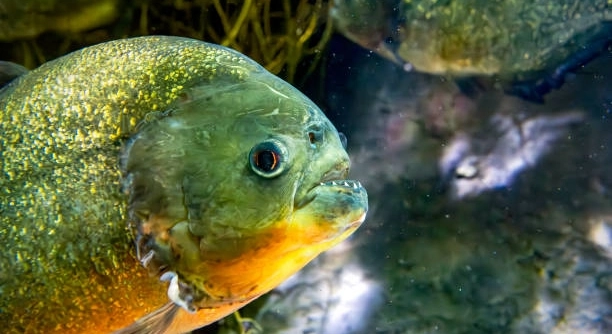
Piranhas are often known for their sharp teeth and strong jaws. These fish live in freshwater rivers and lakes, mainly in South America. They have a reputation for being fierce but are also quite unique in their behavior and biology.
Piranhas possess several distinct traits that set them apart, including their powerful bite force, social hunting tactics, sharp serrated teeth, adaptability to various environments, fast swimming speed, strong sensory abilities, and unique breeding habits. These characteristics contribute to their survival and role in aquatic ecosystems.
Learning about these traits helps us appreciate why piranhas are more than just aggressive fish. Their special features make them an interesting part of nature worth understanding.
Powerful Bite Force
Piranhas have one of the strongest bites among freshwater fish. Their jaws are built to deliver a quick, powerful snap that can cut through flesh and bone. This strength comes from muscles attached to sharp, triangular teeth designed for tearing. The bite is essential for both hunting and defense. Despite their small size, piranhas can bite with incredible force, making them efficient predators. This ability helps them feed on a variety of prey, including fish, insects, and even plants. It also deters larger animals from attacking them. Their bite force supports survival in crowded habitats where food can be scarce and competition high. Many studies show that their jaws can exert pressure strong enough to crush hard shells or bones, highlighting how crucial this trait is for their feeding success. Understanding this helps explain why piranhas have earned a reputation for being dangerous in their natural environment.
Piranhas’ bite strength is a key reason they thrive in tough conditions. It sets them apart from many other fish in their habitat.
This powerful bite also plays a role in shaping local ecosystems. By efficiently consuming prey, piranhas help control populations of other species. Their feeding habits contribute to nutrient cycling, breaking down organic matter and supporting aquatic health. In addition, their bite strength is an adaptation that balances their energy needs with survival tactics. While often misunderstood, this trait reveals a lot about how piranhas live and interact with their environment.
Social Hunting Behavior
Piranhas often hunt in groups, which increases their chances of capturing prey. This social behavior allows them to work together to overwhelm larger animals. Hunting as a group provides safety in numbers and helps piranhas find food more efficiently.
Group hunting makes piranhas more successful and helps reduce the risk of injury during attacks.
Their social structure is quite complex, with piranhas communicating and coordinating during hunts. They use visual and chemical signals to stay connected. This cooperative behavior is unusual for many fish species and shows how piranhas rely on teamwork to survive. Group hunting can scare off potential threats and attract more prey. It also helps piranhas protect their territory by appearing larger and more intimidating. This behavior highlights the importance of social interactions in their survival strategies, offering insight into how they thrive in competitive aquatic environments.
Sharp Serrated Teeth
Piranhas have sharp, serrated teeth arranged in a single row on both jaws. These teeth help them slice through flesh quickly and efficiently.
The teeth are continuously replaced throughout their lives, ensuring they always have sharp edges for feeding. Their shape and arrangement make it easier to grip and tear prey apart. This dental design is one of the main reasons piranhas can bite with such precision and power. Unlike many other fish, their teeth fit tightly together, creating a strong cutting surface.
These serrated teeth are vital for their survival, enabling them to feed on a wide range of prey. They help piranhas process food quickly, reducing the chance of losing it to competitors. The teeth also serve as a defense mechanism, deterring predators with their deadly bite. Maintaining these sharp teeth is essential for piranhas’ role as effective hunters in their environment.
Adaptability to Various Environments
Piranhas live in diverse freshwater habitats, including rivers, lakes, and flooded forests. Their ability to adapt allows them to survive in areas with changing water levels and temperatures.
This flexibility helps piranhas find food and shelter in many different conditions. They can tolerate low oxygen levels and murky waters better than many fish. Adaptability also means piranhas can adjust their diet based on available prey, shifting from plants to meat when necessary. This versatility makes them resilient in environments affected by seasonal changes or human activity.
By thriving in varied habitats, piranhas maintain stable populations despite challenges. Their adaptable nature plays a crucial role in their survival, making them capable of facing environmental pressures that other species might not handle as well. This trait is essential for understanding how they continue to flourish across a wide range of South American waters.
Fast Swimming Speed
Piranhas are quick swimmers, which helps them catch prey and avoid danger. Their streamlined bodies and strong tails allow fast bursts of speed.
This agility is important for hunting and escaping predators. It also helps them move efficiently in crowded waters.
Strong Sensory Abilities
Piranhas rely on keen senses to survive. They use sharp eyesight to spot movement and detect prey, even in murky water. Their lateral line system helps sense vibrations and changes in water pressure. This ability guides them during hunting and keeps them alert to nearby threats. Together, these senses make piranhas effective predators and cautious survivors in their environment.
Unique Breeding Habits
Piranhas build nests in shallow waters where males guard the eggs fiercely. Males protect the young until they can swim and feed independently. This parental care is rare among many fish species and increases survival chances for offspring. It also strengthens social bonds within groups.
What do piranhas usually eat?
Piranhas have a varied diet that changes depending on their environment. They primarily eat fish, insects, and small animals. Some species also consume plants and fruits when animal prey is scarce. Their sharp teeth and strong jaws help them tear into flesh quickly. In groups, they can hunt larger prey efficiently. Piranhas are opportunistic feeders, so they adjust their diet based on food availability. This flexibility helps them survive in different habitats and conditions, from fast rivers to flooded forests.
Are piranhas dangerous to humans?
Piranhas are often seen as dangerous, but attacks on humans are rare. They usually avoid people and only bite when threatened or provoked. Most bites happen when the water is murky, or food is scarce. While their bite can be painful, fatal attacks are extremely uncommon. Piranhas prefer smaller prey and usually feed on fish or other animals in the water. Swimming calmly and avoiding sudden movements can reduce any risk when in piranha habitats.
How do piranhas communicate?
Piranhas use sounds, body movements, and chemical signals to communicate. During social interactions like hunting or breeding, they produce grunts, clicks, or other noises by rubbing their bones or muscles. These sounds help coordinate group behavior, warn others of danger, or attract mates. Chemical signals released into the water convey information about territory or reproductive status. This communication is vital for maintaining group cohesion and survival in their environment.
How long do piranhas live?
In the wild, piranhas typically live around 10 to 15 years. Their lifespan depends on factors like food availability, predation, and environmental conditions. In captivity, with proper care, they can sometimes live longer. Factors such as water quality, diet, and tank size impact their health and longevity. Regular monitoring of these conditions helps keep piranhas healthy, especially in aquarium settings.
Can piranhas be kept as pets?
Yes, piranhas can be kept as pets, but they require specific care. They need a large tank with clean, well-oxygenated water and proper filtration. Their diet should include a mix of meat and vegetables. Because they are aggressive, they are often kept alone or in groups with enough space to reduce fighting. Potential owners should research carefully and be prepared for their feeding and habitat needs. Piranhas are not beginner fish and need responsible handling.
Do piranhas have natural predators?
Despite their fearsome reputation, piranhas have natural predators. Larger fish, birds like herons, and river mammals prey on them. Their strong bite and schooling behavior help reduce attacks, but they are still part of the food chain. Predators usually target young or isolated piranhas. Understanding this balance is important for recognizing piranhas’ role in their ecosystems.
Why do piranhas sometimes attack in groups?
Group attacks happen mainly when food is scarce or when piranhas feel threatened. Hunting together increases their efficiency and allows them to take down larger prey. Group attacks also serve as a defense against predators. This collective behavior is driven by survival needs rather than aggression alone. It shows how social interactions improve their chances of getting food and staying safe.
How do piranhas reproduce?
Piranhas reproduce by laying eggs in shallow nests created by males. After the female lays eggs, the male guards the nest fiercely until the young hatch. This parental care is unusual for many fish and increases offspring survival. Once the fry can swim and feed on their own, they leave the nest. This reproductive strategy helps maintain stable populations in the wild.
What role do piranhas play in their ecosystem?
Piranhas help control populations of other fish and aquatic animals by feeding on the weak or sick. This keeps ecosystems balanced and prevents overpopulation. Their scavenging behavior also cleans up dead matter, recycling nutrients. Piranhas’ presence supports healthy water environments and contributes to biodiversity. Despite their tough image, they are an important part of their habitats.
How can humans protect piranha habitats?
Protecting piranha habitats means preserving clean rivers and lakes. Avoiding pollution, controlling deforestation, and managing water use help maintain these environments. Protecting wetlands and floodplains is also crucial, as these areas support breeding and feeding. Sustainable fishing practices reduce pressure on piranha populations. Raising awareness about their role in ecosystems encourages better conservation efforts. This protection benefits not only piranhas but many other species as well.
Piranhas are often misunderstood creatures. Many people think of them only as fierce and dangerous fish. However, they have many unique traits that help them survive and thrive in their natural habitats. Their powerful bite, sharp teeth, fast swimming, and social behavior all contribute to their success as predators. These traits also help them adapt to different environments, from fast-flowing rivers to quiet lakes. Understanding these features gives a clearer picture of what piranhas really are—complex animals that play important roles in their ecosystems.
Beyond their physical abilities, piranhas show interesting social and reproductive behaviors. Hunting in groups, communicating through sounds and signals, and guarding their young are important parts of their daily lives. These behaviors help piranhas protect themselves and increase their chances of survival. The care males give to their offspring is especially notable since it is not common among many fish species. These behaviors highlight that piranhas are not just aggressive creatures but also capable of cooperation and nurturing.
Recognizing the role of piranhas in the environment is essential. They help keep fish populations balanced by feeding on the weak and sick, which supports overall ecosystem health. Their scavenging habits recycle nutrients and clean water bodies. At the same time, their ability to adapt to various conditions shows how resilient they are in the face of environmental changes. Protecting their habitats ensures these important functions continue. Looking beyond the myths allows us to appreciate piranhas for their true place in nature.

Hello,
If you enjoy the content that we create, please consider saying a "Thank You!" by leaving a tip.
Every little bit helps us continue crafting quality advice that supports the health, happiness, and well-being of pets around the world, for pets of all shapes, sizes, and species.
We really appreciate the kindness and support that you show us!