
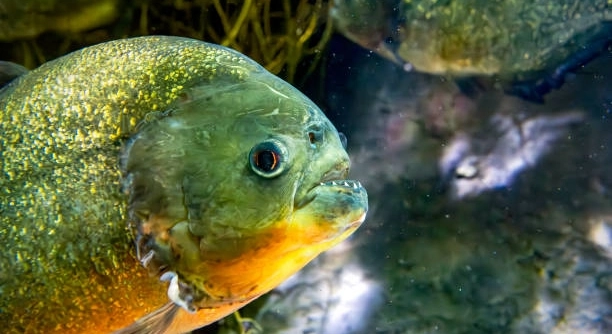
Have you ever been curious about how piranhas react when they encounter a scent they’ve never smelled before in their water? These reactions may be more complex than you might expect from such fierce little fish.
Piranhas show a range of behaviors when exposed to new scents, including increased movement, shoaling, cautious exploration, and in some cases, signs of aggression or stress. These responses vary depending on the type and intensity of the scent.
From unexpected movement patterns to changes in group behavior, each reaction gives us a closer look at how these fish interpret their world through scent.
Piranhas React to Scents with Immediate Curiosity
When a new scent enters the water, piranhas often respond with immediate curiosity. Their bodies may become more alert, and they tend to move closer to the source. This behavior is mostly instinctive. In the wild, unfamiliar smells could signal food, danger, or another presence in their territory. Some species of piranhas will form tighter groups when this happens, swimming together in coordinated patterns. This is known as shoaling, and it provides safety in numbers while they investigate. Others might take a more cautious approach, slowing down and keeping their distance while still maintaining interest. The way piranhas react depends on several things — the strength of the scent, the time of day, and how hungry they are. In tanks or controlled environments, researchers have seen them shift from calm to active within seconds of introducing a new chemical compound or scent extract, especially if it mimics blood or another fish.
Piranhas can also show changes in body posture. Fins may stiffen, and their tails might twitch slightly. These signs often mean they’re processing the scent and preparing to act.
Even small shifts in behavior, like slow circling or tighter swimming patterns, reveal how alert and aware piranhas are in their surroundings.
Not All Scents Trigger the Same Response
Some smells grab a piranha’s attention more than others. For example, scents related to prey tend to create faster, more intense reactions than neutral or plant-based smells.
In tests, blood-based or protein-rich scents caused sharp changes in behavior. Piranhas swam quickly, circled the scented area, and sometimes even snapped their jaws. On the other hand, plant-based or chemically neutral smells caused much less reaction. The fish might pause and hover, but they would often return to normal within minutes. This difference shows how their senses are tuned to survival. Food-related scents trigger feeding instincts, while non-threatening ones fade into the background. It’s also interesting to note that young piranhas react more strongly than older ones. This could be due to experience, as older fish may have learned to ignore scents that don’t lead to food or danger. In a tank setting, researchers often use scent-based training to observe or even guide behaviors, using scent markers to see how piranhas learn and adapt over time.
Some Scents Cause Group Behavior Shifts
When exposed to certain scents, piranhas often shift from individual swimming to tight group formations. This change helps them feel more secure when facing something new or possibly threatening in the water.
Group behavior is a protective instinct. When piranhas smell something unfamiliar, they tend to group up and move as one unit. This can confuse predators or help them stay safe while checking out the new scent. Researchers have noticed that even in tanks, when a strong or sudden smell is introduced, piranhas stop swimming alone and start mirroring each other’s movements. This isn’t just fear—it’s strategy. Moving together also helps them share information about the scent, like where it’s coming from or how strong it is. The group might slowly move toward or away from the scent source, depending on how it makes them feel.
These changes can last for several minutes. Even after the scent fades, the group may stay close, swimming more slowly and cautiously than before. This lingering caution shows how seriously piranhas take new sensory information. Group behavior helps them stay alert while avoiding rash moves. If the scent keeps returning, they may even change their normal routines or feeding times in response.
Some Smells Trigger Aggressive Displays
Piranhas can become visibly aggressive when they detect certain smells, especially those linked to injured prey or competing species. Their jaws may snap, fins flare, and they might chase each other briefly as tension rises in the water.
Aggression from scent exposure isn’t always directed at an outside threat. In tanks, piranhas often redirect their energy toward each other when stimulated by blood-like scents or certain chemicals that mimic stress hormones. These smells can raise adrenaline and heighten their alertness, leading to increased territorial behavior or short bursts of dominance. They may nip at tank mates, stir up debris, or even clash over the area where the scent is strongest. This doesn’t mean they’re attacking without cause—it’s part of how they sort through what the scent means. In the wild, this might help them compete for limited food sources. In captivity, it’s a behavior to watch closely to avoid injuries.
Some Scents Lead to Avoidance
Piranhas sometimes react to new scents by swimming away or hiding. This usually happens when the smell suggests danger or an unknown threat. They may stay near the bottom, behind plants, or inside tank decorations.
Avoidance doesn’t always mean fear—it can also mean caution. Piranhas are careful with unfamiliar inputs, especially strong or sharp-smelling ones.
Scents Can Trigger Feeding Behavior
When piranhas detect food-related scents, they often show immediate feeding behavior. They might speed up, circle the source, or nip at the water as if catching prey. In tanks, researchers sometimes use diluted meat-based extracts to encourage feeding during observation. These reactions can appear even if no actual food is present. The scent alone is enough to trigger the instinct. Piranhas may also become more competitive in these moments, pushing or snapping toward nearby tank mates. In the wild, this helps them respond quickly to feeding opportunities. In captivity, it can lead to more chaotic feeding times if not managed carefully.
Repeated Exposure Lowers Reaction
If piranhas smell the same scent often without any threat or reward, their reaction fades. They may ignore it completely after a few exposures.
How do piranhas detect new scents in the water?
Piranhas use their olfactory system to detect scents. They have specialized sensory organs called chemoreceptors located mainly in their nostrils. These receptors pick up chemical signals dissolved in the water. When a new scent enters their environment, it binds to these receptors and sends a message to their brain, triggering a behavioral response. This system helps them locate food, identify threats, and communicate with other fish.
Why do some scents cause piranhas to group together?
Grouping, or shoaling, is a natural defensive behavior. When piranhas sense an unfamiliar scent, they often respond by forming tighter groups. This helps protect them from potential threats, allowing them to gather more information collectively. Grouping can also confuse predators and improve their chances of survival while assessing the new scent.
Are all piranha species equally sensitive to new scents?
No, sensitivity varies between species. Some piranhas are more reactive to certain chemical cues than others. Factors like habitat, diet, and evolutionary history influence how strongly they respond to different smells. Younger piranhas also tend to be more sensitive than adults, likely because they rely more on instinct during early development.
Can repeated exposure to a scent change piranha behavior permanently?
Repeated exposure often leads to habituation, meaning the fish stop reacting strongly to the scent after several encounters. However, this change is usually reversible if the scent is removed for a time and then reintroduced. Permanent behavior changes depend on the context and if the scent becomes associated with important events, like feeding or danger.
Do piranhas react differently to natural versus artificial scents?
Yes, natural scents like blood, injured fish, or prey odors usually provoke stronger responses. Artificial scents may cause curiosity or mild reactions, but they don’t always trigger instinctive behaviors. The chemical composition and familiarity of the scent play key roles in how piranhas respond.
How can understanding piranha scent reactions help in aquarium care?
Knowing how piranhas react to scents helps aquarium owners manage their environment better. Introducing food-related scents can encourage feeding, while avoiding stressful or strong unfamiliar scents reduces aggression and stress. It also aids in monitoring health and behavior changes, making care more effective.
Do piranhas use scent for communication?
Yes, scent is a crucial communication tool for piranhas. They release chemicals to signal territory, reproductive status, or stress. These chemical messages influence how others behave, helping maintain social order and coordinate activities within groups.
What signs show that a piranha is stressed by a new scent?
Stress responses include rapid swimming, hiding, stiff fins, or aggressive displays. They may also reduce feeding or stop moving altogether. Watching for these signs helps understand when a scent causes discomfort or fear.
Is it safe to test new scents with piranhas in captivity?
Testing scents should be done carefully and in small amounts. Strong or unfamiliar scents can cause stress or aggression, so it’s important to observe fish behavior closely. Avoid using harmful chemicals and always ensure good water quality during testing.
Can scent triggers cause piranhas to attack tank mates?
In some cases, yes. Certain scents, especially those mimicking injury or blood, can heighten aggression. This may lead piranhas to nip or chase others in the tank. Managing scent exposure helps prevent these conflicts.
How quickly do piranhas respond to new scents?
Responses can happen within seconds. Piranhas are highly sensitive and fast to react, which is essential for survival in the wild. Immediate behavioral changes help them decide whether to approach, avoid, or defend against what the scent signals.
What role does hunger play in scent response?
Hunger greatly affects how piranhas react. Hungry fish show stronger reactions to food-related scents, often becoming more active and aggressive. Well-fed piranhas may ignore or respond less intensely to the same scents. This link between hunger and scent sensitivity helps regulate feeding behavior.
Can scents help identify piranhas in the wild?
Yes, piranhas use scent trails to find others of their kind. These chemical cues help locate mates, avoid rivals, and stay within groups. Scientists also use scent markers to track and study piranha behavior in their natural habitats.
Are there any scents piranhas avoid completely?
Some strong chemical smells, especially those unfamiliar or linked to predators, cause piranhas to avoid an area. These include certain plant toxins or decay odors. Avoidance is a survival tactic to stay away from danger or poor water conditions.
How do piranhas react to human scents or pollution in the water?
Human-related chemicals like sunscreen, soap, or pollutants can confuse or stress piranhas. They may show avoidance or increased aggression. Pollution disrupts their natural scent environment, affecting their ability to find food or communicate properly.
Can scent-based training be used with piranhas?
Yes, researchers have used scent cues to train piranhas for studies on behavior and cognition. Repeated pairing of scents with food or other rewards helps fish learn to respond predictably. This approach improves understanding of their sensory world and adaptive abilities.
Piranhas rely heavily on their sense of smell to understand and interact with their environment. New scents in the water can trigger a variety of reactions, from curiosity to caution, grouping, or even aggression. These responses help piranhas survive by alerting them to food, danger, or changes in their surroundings. How they react depends on the type of scent, its strength, and their own state, such as hunger or stress levels. Observing these behaviors provides useful insights into their natural instincts and how they communicate with each other.
It is interesting to see how some scents encourage piranhas to gather and work as a group, while others cause them to hide or swim away. When food-related smells enter their water, they become active and focused, showing clear signs of feeding behavior. In contrast, unfamiliar or strong smells that suggest danger often make them more cautious or even aggressive. These reactions vary between individual fish and species, influenced by their environment and experiences. Over time, piranhas can become used to repeated scents, showing less reaction as they learn it is not a threat or reward. This ability to adapt helps them conserve energy and respond more effectively to important signals.
Understanding how piranhas respond to new scents can help in caring for them, especially in aquarium settings. Introducing food-related scents can stimulate feeding, while avoiding stressful smells helps keep aggression and fear low. It is also important to watch for signs of stress or discomfort when new scents are introduced, as these can affect their health and behavior. Overall, paying attention to how piranhas react to different smells offers a window into their behavior and needs. This knowledge supports better care and creates a more stable environment where these fascinating fish can thrive.

Hello,
If you enjoy the content that we create, please consider saying a "Thank You!" by leaving a tip.
Every little bit helps us continue crafting quality advice that supports the health, happiness, and well-being of pets around the world, for pets of all shapes, sizes, and species.
We really appreciate the kindness and support that you show us!