
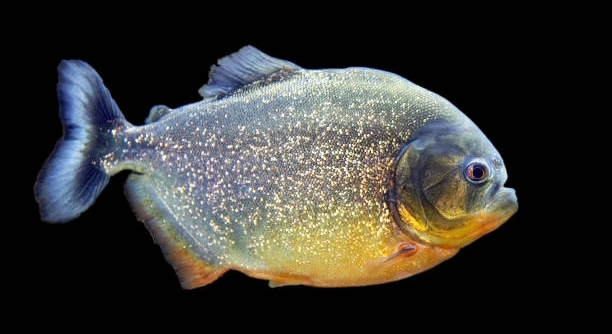
Piranhas are often seen as fierce fish, but they also show unusual behaviors when feeling stressed. These reactions are different from what many expect and reveal a unique side to their nature. Understanding these behaviors can change how we view them.
When stressed, piranhas exhibit distinct behaviors such as increased aggression, erratic swimming, fin clamping, and changes in feeding habits. These actions serve as coping mechanisms to handle environmental pressures or threats. Recognizing these signs is crucial for their care and management.
Exploring these behaviors provides insight into the complex ways piranhas respond to stress. This knowledge can improve both their care and our understanding of aquatic life.
Sudden Aggression and Group Behavior
Piranhas are well known for their sharp teeth and aggressive nature, but stress can make this behavior even more intense. When stressed, they may suddenly lash out at nearby fish, including members of their own group. This aggression is a defense mechanism triggered by fear or overcrowding. In an aquarium or natural habitat, sudden changes in water conditions or too many fish in a confined space can cause this reaction. The fish may bite or nip repeatedly, which can lead to injury. Observing this behavior is important for anyone keeping piranhas, as it signals discomfort or threat. Reducing stressors, like improving water quality or decreasing population density, can help calm these fish. This aggressive response is not constant but appears in specific stressful situations, which means it can be managed with the right care. Understanding this helps maintain a safer environment for piranhas and other aquatic life nearby.
Sudden aggression often serves as a warning signal among piranhas. It helps establish dominance or defend territory when they feel threatened.
Recognizing this behavior early can prevent harm within groups. Creating more space and stable conditions reduces stress. Proper filtration, consistent water temperature, and minimal disturbance support a calm environment. When piranhas feel secure, they tend to return to normal social patterns, reducing the risk of injury. In captivity, this can mean the difference between a healthy tank and one filled with damaged fish. Providing hiding places or plants also offers comfort, allowing stressed piranhas to retreat when needed. These simple measures improve their well-being and reduce aggressive episodes.
Erratic Swimming and Fin Clamping
Erratic swimming is a clear sign that a piranha is stressed. They may dart quickly or swim in unusual patterns, showing discomfort or fear. This behavior differs from their normal, deliberate movements. When stressed, piranhas often clamp their fins close to their bodies. This reduces energy use and protects their delicate fins from damage during sudden movements or fights. Fin clamping can also indicate poor water quality or illness, which adds to their stress. Observing these signs together helps identify problems early.
Erratic swimming combined with fin clamping is an important indicator of piranha distress and needs immediate attention.
Stress affects their health and behavior, often leading to increased vulnerability to disease. Poor water conditions like high ammonia or low oxygen levels cause these symptoms. In aquariums, maintaining clean water and regular checks reduce this stress. Providing stable temperatures and avoiding sudden changes also helps. When these behaviors appear, it is crucial to test water quality and improve the habitat quickly. Isolation of affected fish may be necessary if illness develops. Monitoring these signs supports early intervention, protecting the entire group from further harm. Keeping piranhas in optimal conditions allows them to swim naturally and maintain healthy fins, which contributes to their overall well-being and reduces the risk of long-term health problems.
Loss of Appetite
Stress often causes piranhas to stop eating or eat much less than usual. This behavior is a response to environmental changes or threats. It can weaken the fish over time if the stress continues without relief.
A loss of appetite in piranhas is a common sign of prolonged stress or illness. It may result from poor water quality, overcrowding, or sudden changes in their environment. When piranhas eat less, they lose energy and become more vulnerable to disease. This weakens their immune system and slows recovery from injuries or infections. In captivity, it is important to identify and remove stress sources to encourage normal feeding behavior. Offering varied and fresh food can also stimulate appetite during recovery. Monitoring feeding habits closely helps detect problems early and maintain fish health.
If appetite loss continues, it can lead to severe malnutrition and even death. Long-term stress must be addressed quickly. Adjusting tank conditions, such as stabilizing water parameters and reducing noise or light disturbances, supports piranhas’ return to normal feeding. Providing hiding spots and limiting handling also reduces stress, making fish more willing to eat again. Consistency in care plays a key role in restoring their appetite and overall well-being.
Hiding and Reduced Movement
Piranhas under stress tend to hide more and move less than usual. This behavior helps them avoid threats and conserve energy when feeling unsafe. It is a natural coping strategy in stressful situations.
Hiding reduces exposure to predators or aggressive tank mates, giving stressed piranhas a chance to recover. Limited movement also lowers energy use, which helps during times of illness or discomfort. However, excessive hiding can indicate poor water quality or an unhealthy environment. Regular maintenance of the tank and monitoring of water conditions prevent stress buildup. Encouraging natural behavior through proper habitat design, including caves and plants, supports their need for shelter. This reduces stress and improves overall health, helping piranhas feel more secure in their surroundings.
Color Changes
Stress can cause piranhas to change color, often becoming duller or darker. This shift signals discomfort or poor health and is a clear visual cue of their stress level.
Color changes may also reflect attempts to blend into their environment for protection. This natural response helps reduce visibility to predators or rivals, increasing their chances of survival during stressful periods.
Increased Respiratory Rate
Piranhas often breathe faster when stressed. This is due to higher oxygen demand caused by anxiety or poor water quality. Rapid gill movement indicates the fish is struggling to get enough oxygen, which can lead to exhaustion if not addressed quickly.
Restlessness and Constant Movement
Some stressed piranhas become restless, swimming continuously without settling. This behavior shows discomfort and can increase energy use, weakening the fish over time. Restlessness often results from unsuitable tank conditions or sudden changes in their environment.
Loss of Balance
Stressed piranhas may lose their balance and swim awkwardly. This symptom often indicates severe stress or illness, requiring immediate attention to improve their condition and environment.
What causes stress in piranhas?
Stress in piranhas can be caused by several factors. Poor water quality is one of the main reasons. High ammonia, nitrite, or nitrate levels damage their gills and skin. Overcrowding is another common cause, leading to competition for food and space. Sudden changes in water temperature or pH also upset their balance. Loud noises, vibrations, or constant disturbances around their tank create anxiety. Aggressive tank mates or lack of hiding spots add to their stress. Identifying and reducing these factors helps keep piranhas healthy and calm.
How can I tell if my piranha is stressed?
Signs of stress include sudden aggression, erratic swimming, and hiding more than usual. Fin clamping, loss of appetite, and color changes also indicate trouble. Increased respiratory rate and restlessness are important to notice. If your piranha swims awkwardly or loses balance, it may be severely stressed or ill. Observing these behaviors regularly helps catch problems early, allowing prompt care adjustments.
Can stress kill piranhas?
Yes, prolonged stress can lead to severe health problems and even death. When stressed, their immune system weakens, making them vulnerable to infections and diseases. Loss of appetite and constant movement can cause malnutrition and exhaustion. Poor water conditions worsen the problem by affecting respiration and organ function. Immediate action to reduce stress and improve their environment is essential to prevent fatal outcomes.
What should I do if my piranha shows signs of stress?
Start by testing water quality and correcting any issues. Change water regularly and use filters to keep it clean. Reduce the number of fish if overcrowding is a problem. Provide hiding places like plants or decorations to help them feel secure. Avoid sudden temperature or pH changes by keeping the tank stable. Minimize loud noises and vibrations near the aquarium. Feeding a balanced diet and limiting handling reduces additional stress.
Is it normal for piranhas to be aggressive?
Piranhas naturally show aggression, especially in groups, as part of their behavior. Stress increases this aggression, causing them to attack tank mates or each other more often. While some aggression is normal, excessive fighting indicates poor conditions. Managing stress and providing enough space helps control aggressive behavior, creating a safer environment.
Can stress cause illness in piranhas?
Stress weakens piranhas’ immune systems, making them more susceptible to bacterial, fungal, and parasitic infections. Illness often follows stress if the environment is not improved. Symptoms like fin rot, ulcers, or fungus appear more frequently in stressed fish. Preventing stress through good care practices reduces the chance of disease and supports faster recovery if illness occurs.
How can I prevent stress in piranhas?
Maintaining stable, clean water is key to prevention. Avoid overcrowding and sudden changes in temperature or pH. Provide plenty of hiding spots and a well-structured tank. Limit noise and disturbances near the aquarium. Feed a nutritious diet regularly. Observing fish behavior daily helps catch early signs of stress before it becomes serious. Consistent care creates a healthy habitat where piranhas can thrive.
Do piranhas recover from stress?
Yes, piranhas can recover if the stress source is removed and their environment improves. Recovery takes time, depending on the stress duration and severity. Proper water quality, nutrition, and a calm setting are critical for healing. Monitoring behavior and health helps track recovery progress. Acting quickly when stress signs appear improves the chances of a full recovery.
Are some piranhas more sensitive to stress than others?
Individual piranhas can react differently to stress. Some are more sensitive due to age, health, or genetics. Younger or weaker fish often show stress symptoms sooner and more severely. Healthy, well-established piranhas tend to cope better. Understanding your fish’s personality and needs allows for tailored care that minimizes stress risks.
Can changing tank mates reduce stress?
Yes, introducing or removing tank mates can affect stress levels. Aggressive or incompatible species increase tension and fighting. Removing these fish or choosing peaceful companions can create a calmer tank environment. It’s important to research compatible species and observe interactions closely after any changes to ensure harmony.
Stress affects piranhas in many unusual ways, and understanding their reactions is important for their care. When piranhas experience stress, their behavior and physical condition change noticeably. These changes can include hiding, loss of appetite, color shifts, and restlessness. Recognizing these signs helps in identifying problems early before they become serious. Providing a stable and comfortable environment reduces the chance of stress. This includes maintaining clean water, consistent temperature, and appropriate tank mates. Stress can have a strong impact on the health and well-being of piranhas, so attention to their needs is essential.
Taking steps to reduce stress can improve the overall quality of life for piranhas. Simple actions such as regular water testing, avoiding sudden changes in the tank, and providing enough space allow piranhas to live more naturally. Offering hiding places and keeping noise levels low also helps them feel secure. Feeding a balanced diet supports their strength and immune system. When stress is controlled, piranhas show better behavior and are less prone to illness. This not only benefits the fish but also makes maintaining the aquarium easier and more rewarding.
Careful observation and timely action are key to managing stress in piranhas. It is important to respond quickly if signs of stress appear, such as changes in appetite, color, or movement. Ignoring these signs can lead to worsening health problems. Regular maintenance and a thoughtful approach to the tank environment create conditions where piranhas can thrive. While stress is a common issue, it can be managed effectively with proper care. Keeping piranhas healthy and comfortable ensures they remain active and display their natural behaviors, making them more enjoyable to keep.

Hello,
If you enjoy the content that we create, please consider saying a "Thank You!" by leaving a tip.
Every little bit helps us continue crafting quality advice that supports the health, happiness, and well-being of pets around the world, for pets of all shapes, sizes, and species.
We really appreciate the kindness and support that you show us!