
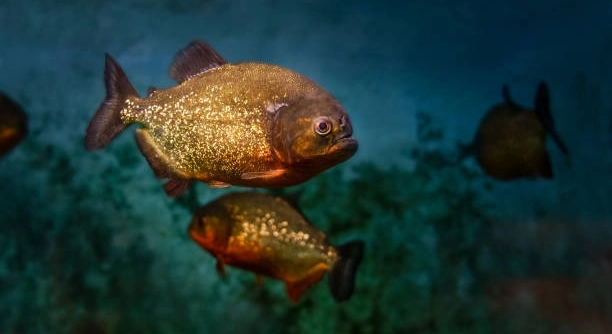
After a tank reset, many changes happen that affect your aquarium’s balance and the health of its inhabitants. Adjustments are necessary to keep the environment stable and comfortable for your fish and plants. Knowing what to focus on helps maintain a thriving tank.
Seven important adjustments after a tank reset include reestablishing water parameters, checking filtration efficiency, managing new biological cycles, readjusting lighting, monitoring fish behavior, controlling algae growth, and ensuring proper feeding routines. These steps support a smooth transition and long-term tank stability.
Taking care of these key factors can prevent common problems and help your aquarium quickly recover from a reset. Understanding what to adjust makes all the difference.
Reestablishing Water Parameters
After a tank reset, the water chemistry often changes drastically. Parameters like pH, ammonia, nitrite, and nitrate can fluctuate and become harmful to your fish. It’s important to test the water regularly and make adjustments as needed. Use water conditioners to remove chlorine or chloramine, and consider adding beneficial bacteria supplements to speed up biological cycling. Keep an eye on temperature too, as resets can sometimes cause shifts in heat levels. Stable water conditions reduce stress and promote better fish health. Small changes matter, so don’t rush the process or add too many fish right away. Allow your tank to stabilize before making further adjustments or additions.
Testing water with reliable kits every day for the first week helps track changes. Adjust slowly and carefully to avoid shocking the fish.
Maintaining balanced water parameters is key for a healthy tank. Once levels stabilize, your fish will feel more comfortable, and plants can thrive better. It’s a step that sets the foundation for everything else in your aquarium.
Checking Filtration Efficiency
Proper filtration is essential after a reset. The filter might need cleaning, or new media might be required to support the growing bacterial colonies that help break down waste. If the filter runs too fast or too slow, it can impact water clarity and quality.
A well-functioning filter keeps the tank clean and supports the nitrogen cycle.
Make sure the filter is running smoothly and clean or replace media as necessary. Avoid washing biological media with tap water, as this can kill beneficial bacteria. Instead, rinse it gently with tank water to preserve bacteria. Consider adding a bacterial booster if the tank reset removed most of the existing colonies. This will help speed up recovery and improve water quality faster. Regular filter maintenance after a reset ensures your tank stays healthy for the long term.
Managing New Biological Cycles
After a reset, the beneficial bacteria that break down waste often decline, causing shifts in the biological cycle. Monitoring ammonia and nitrite levels is critical to avoid toxicity.
During this phase, ammonia may spike before bacteria populations rebuild. Keeping up with partial water changes can reduce harmful buildup. Adding commercial bacterial supplements can help jumpstart the cycle, though natural growth is still needed. Avoid overfeeding fish to limit excess waste. Testing water daily provides insight into when the cycle is stabilizing. Patience is key, as this process can take several weeks before the tank returns to balance.
Understanding this cycle allows better care for fish and plants as the tank recovers. Tracking changes carefully will help prevent stress and health problems during this delicate time.
Readjusting Lighting
Lighting may need adjustment after a reset, especially if plants have been disturbed or removed. Proper light levels support plant growth and control algae development.
Too much light encourages algae blooms, while too little can stunt plants. Find a balanced schedule, generally 8–10 hours daily, to promote healthy growth without overexposure. Use timers for consistent lighting periods. Check if the bulb’s intensity matches the plant types you keep; some need stronger light, others less. After a reset, closely observe plant response and algae appearance to fine-tune the lighting. This prevents unwanted algae and keeps your tank visually appealing. Regular light maintenance supports a thriving ecosystem within your aquarium.
Monitoring Fish Behavior
Fish often show signs of stress or discomfort after a tank reset. Watching their behavior closely helps catch issues early.
Look for signs like hiding, gasping, or erratic swimming. These may indicate water problems or stress. Acting quickly can prevent serious health problems.
Controlling Algae Growth
Algae growth can increase after a reset due to shifts in light and nutrients. Keeping algae under control requires regular maintenance and balance.
Limiting light exposure and avoiding overfeeding help reduce excess nutrients. Introducing algae-eating species can also assist. Regular water changes and cleaning surfaces prevent algae buildup. Maintaining proper filtration supports overall water quality, keeping algae growth in check naturally.
Ensuring Proper Feeding Routines
Feeding routines may need adjustment after a reset to avoid overloading the system with waste.
Feed smaller amounts more frequently and remove uneaten food quickly. This prevents water quality problems and supports fish health.
How long does it take for a tank to stabilize after a reset?
A tank typically takes about 4 to 6 weeks to stabilize after a reset. During this time, the biological cycle rebuilds, and water parameters return to safe levels for fish and plants. Patience is essential, as rushing the process by adding too many fish or making drastic changes can cause setbacks. Regular testing of ammonia, nitrite, and nitrate levels helps track progress and determine when the tank is balanced.
What are the signs that water parameters are off after a reset?
Signs include fish gasping at the surface, hiding, or showing unusual behavior like lethargy or flashing. Cloudy water, strong odors, and algae blooms can also indicate problems. Testing the water for high ammonia, nitrite, or nitrate levels confirms if the parameters are off. Addressing these issues early helps prevent fish illness and keeps the tank healthy.
Can I add fish immediately after a tank reset?
It’s best to wait until the biological cycle is stable before adding fish. Introducing fish too soon can expose them to harmful ammonia or nitrite spikes. Start by testing water parameters daily and look for zero ammonia and nitrite levels before slowly reintroducing fish. Adding only a few at a time helps maintain water quality and reduces stress on the ecosystem.
How often should I test the water after a reset?
Daily testing during the first two weeks after a reset is recommended. This helps monitor ammonia, nitrite, and nitrate levels closely. Once the tank stabilizes and these values stay within safe limits, you can reduce testing to once or twice a week. Consistent monitoring allows you to react quickly if problems arise.
What type of filter media should I use after a reset?
Using a combination of mechanical, chemical, and biological filter media is ideal. Mechanical media traps debris, chemical media removes toxins, and biological media provides surface area for beneficial bacteria to grow. After a reset, avoid replacing all biological media to preserve bacteria. If new media is needed, rinse it gently in tank water rather than tap water to protect bacterial colonies.
How can I prevent algae growth after a reset?
Algae can flourish when lighting or nutrients are out of balance. Limit lighting to 8–10 hours per day and avoid overfeeding your fish. Regular water changes remove excess nutrients that fuel algae growth. Including algae-eating fish or invertebrates helps control algae naturally. Keeping plants healthy also competes with algae for nutrients.
Is it necessary to add beneficial bacteria supplements?
Adding bacterial supplements can help speed up the cycling process after a reset, but they are not always essential. Natural bacteria will grow over time from the environment and filter media. Supplements are useful if the tank is heavily disturbed or if you want faster recovery. Always follow the product instructions to avoid overdosing.
What should I do if ammonia levels spike after a reset?
If ammonia spikes, perform partial water changes immediately to dilute toxins. Reduce feeding to minimize waste production. Consider adding ammonia-neutralizing products temporarily while beneficial bacteria rebuild. Keep testing water daily to monitor progress and avoid adding new fish until ammonia returns to zero.
How can I adjust lighting after a reset?
Set your lighting for about 8 hours a day initially, then adjust based on plant and algae growth. Use a timer for consistency. If algae appears, reduce light intensity or duration. If plants look weak or pale, increase light gradually. Balancing light helps plants recover and keeps algae under control.
When should I resume normal feeding routines?
Feed smaller amounts more frequently during the first few weeks after a reset. Remove any uneaten food to prevent water pollution. Once water parameters stabilize and fish behavior returns to normal, gradually return to your usual feeding schedule. This supports fish health without overloading the system.
After a tank reset, making the right adjustments is important for the health and stability of your aquarium. It is natural for water parameters to shift and for the biological cycle to take time to recover. Being patient and monitoring key factors like water chemistry, filtration, and lighting helps the tank regain balance. Taking small, careful steps prevents stress to fish and plants and supports a healthy environment. Each tank is different, so paying close attention to your own setup will guide you toward the best care routine.
It is also important to remember that resets are a normal part of aquarium maintenance. While they may seem challenging at first, resets give you a chance to start fresh and improve conditions for your fish and plants. Adjusting feeding habits and keeping an eye on algae growth help maintain a clean and clear tank. Keeping filters in good shape and supporting beneficial bacteria growth speeds up recovery. These efforts combine to make your tank a better home for its inhabitants and a more enjoyable space for you to observe.
Lastly, staying consistent with testing water and observing fish behavior makes a big difference in long-term success. Problems can be caught early and fixed before they become serious. Changes may take time, but careful attention ensures a smooth transition after a reset. Following the steps to reestablish water quality, filtration, lighting, and feeding routines will help your tank thrive again. With patience and care, your aquarium can quickly return to a balanced and healthy state.

Hello,
If you enjoy the content that we create, please consider saying a "Thank You!" by leaving a tip.
Every little bit helps us continue crafting quality advice that supports the health, happiness, and well-being of pets around the world, for pets of all shapes, sizes, and species.
We really appreciate the kindness and support that you show us!