
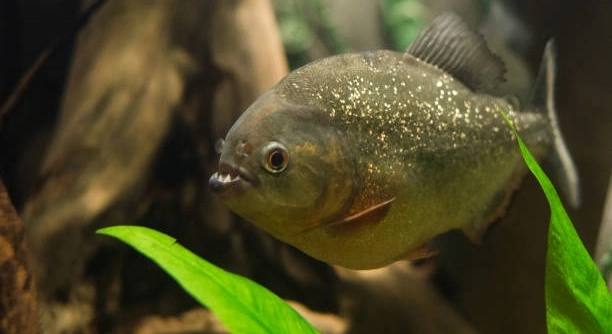
Piranhas are known for their sudden and unpredictable behavior. These fish often react quickly without any apparent warning, surprising those who observe them. Understanding these reactions helps in managing interactions with them safely.
Piranhas exhibit sudden reactions due to their highly sensitive instincts, environmental triggers, and survival mechanisms. These responses are often automatic, linked to changes in water conditions, presence of threats, or social interactions within their groups.
Knowing the reasons behind these sudden reactions provides insight into piranha behavior and helps ensure safer encounters with these fascinating fish.
Sudden Movement Triggered by Water Vibrations
Piranhas have a heightened sense of detecting vibrations in water. When something disturbs their environment, such as a splash or rapid movement nearby, they respond almost instantly. This sensitivity helps them react to potential threats or prey with speed and precision. Their lateral line system allows them to sense even subtle changes in water pressure, alerting them to nearby activity. In natural habitats, these reactions improve their chances of survival. For example, when a small animal falls into the water, the vibrations signal an opportunity for a quick strike. Similarly, sudden movements from predators or humans can provoke an immediate defensive response. This natural alertness means piranhas rarely hesitate when sensing disturbance, even if it is harmless. Their fast reactions, however, can surprise anyone close to the water.
The response to water vibrations is mostly automatic. It helps piranhas stay alert and ready to protect themselves or capture prey.
Understanding this sensitivity is important when observing or handling piranhas, as even small disturbances can lead to sudden movements.
Aggressive Behavior in Groups
Piranhas often react more aggressively when in groups. Their social behavior influences how they respond to threats or food sources. When piranhas gather, their instincts to protect territory or compete for resources increase. This heightened aggression is a natural survival strategy. Group dynamics trigger stronger responses than when a piranha is alone. The presence of other fish can escalate reactions, leading to rapid, coordinated attacks or defensive displays. This is why piranhas are more likely to react without warning in larger numbers. In aquariums or natural settings, understanding this group effect is crucial for safety. Maintaining space and avoiding sudden movements can reduce the chance of provoking an aggressive reaction. The intensity of these reactions can vary based on the group size and environmental factors. This behavior reflects the importance of social cues in piranha interactions.
Managing group behavior requires careful observation and respect for their natural instincts. Avoiding overcrowding and minimizing disturbances helps maintain calmer conditions. This approach supports healthier piranha communities and safer handling experiences overall.
Sudden Feeding Frenzy
Piranhas can erupt into sudden feeding frenzies when food is introduced. Their reaction is swift and intense, driven by instinct and competition among the group.
Feeding triggers a strong, immediate response from piranhas. When food enters the water, their senses detect it quickly, causing a rush to secure the meal. This behavior helps ensure that each fish gets a chance to feed in a competitive environment. The frenzy can appear chaotic but follows an instinctual pattern. Piranhas may bite anything nearby without warning, making their reaction seem aggressive or dangerous. This feeding response is essential for survival, especially in the wild where food can be scarce. Recognizing these signs helps avoid accidental bites during feeding times.
The frenzy lasts only a short time but shows the urgency and intensity of their natural feeding instincts. It is a key aspect of piranha behavior, reflecting their adaptability to food availability.
Response to Threats or Disturbance
Piranhas react immediately to threats, showing sudden aggression to defend themselves. Their survival depends on quick, decisive actions.
When piranhas sense danger, their reaction is defensive and rapid. Threats like larger predators or sudden disturbances in their environment prompt them to act without hesitation. This behavior is protective, aimed at deterring or confusing attackers. Piranhas use their sharp teeth and fast movements to intimidate threats or escape harm. Sudden loud noises, water vibrations, or close presence of humans can provoke this reaction. Understanding these triggers is crucial when near piranha habitats to avoid unnecessary confrontations. These fish are not aggressive by nature unless provoked, but their defensive responses are strong and can happen without warning.
Handling or interacting with piranhas requires caution to prevent triggering these defensive behaviors. Staying calm and minimizing sudden actions helps reduce the chance of provoking them.
Territorial Defense
Piranhas defend their territory aggressively. They react quickly to any intruder approaching their space, using biting and chasing to keep others away.
This behavior is more common during breeding seasons when protecting nests or young. Territorial responses help maintain control over feeding and breeding areas.
Sudden Changes in Water Conditions
Piranhas are sensitive to sudden changes in water temperature or quality. These changes can cause stress and trigger immediate reactions.
When water conditions shift quickly, piranhas may become restless or aggressive. Maintaining stable environments is essential for their well-being and calm behavior.
Startled by Unexpected Movements
Piranhas often react sharply to sudden, unexpected movements nearby. This reflex helps them avoid predators and respond quickly to potential threats.
Social Hierarchy Disputes
Competition for dominance leads to sudden aggressive acts among piranhas. These disputes happen frequently and without warning within their groups.
What causes piranhas to react without warning?
Piranhas react without warning mainly due to their survival instincts. Their senses are finely tuned to detect changes in their environment, such as sudden movements, vibrations, or changes in water conditions. These triggers cause automatic reactions, allowing them to respond quickly to threats, prey, or disturbances. Their social dynamics and competition within groups can also lead to unpredictable behavior. In many cases, these reactions are not meant to be aggressive but are defensive or related to feeding.
Are piranhas dangerous to humans?
Piranhas can be dangerous but usually only react aggressively if provoked or threatened. Most attacks occur when humans disturb their habitat or accidentally trigger their feeding response. Outside these situations, piranhas tend to avoid confrontation. Proper caution and respect for their environment reduce the risk of aggressive encounters. It’s important to remember that sudden movements or splashing near piranhas can provoke defensive reactions.
Why do piranhas attack in groups?
Piranhas attack in groups due to social and survival reasons. Group attacks maximize their ability to secure food and defend territory. This behavior is instinctual and increases their chances of survival by overwhelming prey or deterring threats. In groups, their reactions become more intense and sudden. Understanding this can help manage encounters, especially in captivity or controlled environments.
How can sudden feeding frenzies be managed?
Feeding frenzies happen quickly and intensely but last only a short time. To manage them, it’s best to feed piranhas in controlled amounts and avoid overcrowding. Introducing food slowly can reduce the intensity of the frenzy. Maintaining a consistent feeding schedule also helps. Handling piranhas during feeding should be avoided to prevent accidental bites caused by their rapid reactions.
Do environmental changes affect piranha behavior?
Yes, sudden environmental changes like shifts in water temperature, oxygen levels, or cleanliness can stress piranhas. This stress often leads to sudden, erratic reactions or increased aggression. Stable water conditions and regular maintenance reduce these reactions. Monitoring their habitat closely is essential to keeping them calm and healthy.
Can piranhas recognize threats?
Piranhas are highly alert to potential threats and react swiftly. They use their senses to detect movements, vibrations, and changes in their surroundings. Their reactions are often defensive, aimed at protecting themselves or their group. While they do not “recognize” threats like humans do, their instincts drive them to respond quickly to anything unusual.
What role does social hierarchy play in piranha reactions?
Social hierarchy influences how piranhas behave within their groups. Dominant fish assert control through sudden displays of aggression or chasing subordinate members. These disputes can happen without warning and are part of maintaining order. Understanding this behavior is important when keeping piranhas in captivity to avoid stress and injuries.
Are piranhas always aggressive?
Piranhas are not always aggressive. Their behavior depends on the situation and environment. They react aggressively mostly when feeding, defending territory, or feeling threatened. In calm and stable conditions, piranhas can be relatively peaceful. Misunderstanding their triggers often leads to the assumption that they are constantly aggressive, which is not accurate.
How do piranhas use their senses to react quickly?
Piranhas have a lateral line system that detects vibrations and pressure changes in water. This allows them to sense movement from prey or predators even without seeing them. Their sharp vision helps identify food or threats quickly. These senses combined enable rapid, automatic reactions essential for survival.
What precautions should be taken around piranhas?
To minimize sudden reactions, avoid sudden movements or loud noises near piranha habitats. Maintaining a stable environment reduces stress-related aggression. When feeding, do so carefully and avoid placing hands or objects too close. Understanding their behavior helps in managing interactions safely and respectfully.
Piranhas are often misunderstood due to their sudden and sometimes aggressive reactions. These behaviors are natural and rooted in their instincts for survival, feeding, and social interactions. Recognizing that piranhas react without warning mainly because of environmental triggers and internal group dynamics helps clarify their behavior. This understanding can reduce unnecessary fear and allow for safer interactions when observing or caring for them.
Their rapid responses to changes in their surroundings, such as feeding opportunities or perceived threats, are essential for their survival in the wild. Sudden movements, disturbances in water, or shifts in water quality can all prompt quick reactions. These responses are not constant but occur in specific situations where piranhas feel the need to protect themselves or secure food. Maintaining stable environments and respecting their natural behavior patterns can minimize these unexpected reactions, especially in captivity.
Keeping piranhas requires attention to their natural tendencies. Proper care involves providing a stable habitat and managing feeding carefully to prevent stressful situations. Understanding the reasons behind their sudden reactions also contributes to safer handling and better welfare for the fish. While their quick responses may seem alarming, they are part of a complex behavior system that helps piranhas thrive in their environment.

Hello,
If you enjoy the content that we create, please consider saying a "Thank You!" by leaving a tip.
Every little bit helps us continue crafting quality advice that supports the health, happiness, and well-being of pets around the world, for pets of all shapes, sizes, and species.
We really appreciate the kindness and support that you show us!