
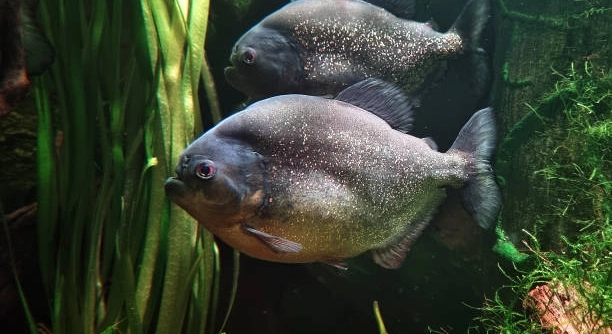
Are your piranhas spending more time hovering in place or ignoring their surroundings than darting around like they used to?
Grouped piranhas show signs of boredom through repetitive swimming patterns, lack of interest in food, reduced social interaction, and increased aggression. These behaviors can indicate unmet environmental or stimulation needs within their tank.
Understanding these behaviors can help you create a more engaging and enriching habitat for your piranhas to thrive in.
Lack of Movement and Exploration
Piranhas are naturally active fish, often swimming in schools and exploring their surroundings. When grouped piranhas begin to show signs of reduced movement or seem uninterested in their tank, it can be an early signal of boredom. They may hover near the same spot or circle the tank with no clear purpose. This shift in behavior often points to a lack of stimulation or environmental variety. A bare tank without enough hiding spots, plants, or visual changes can leave them unstimulated. Over time, this can even lead to stress, which may impact their health. Regular changes in decor, adjusted lighting, and offering new places to explore are simple ways to encourage movement. Avoid overcrowding the tank or having too few decorations, as this restricts their need to interact with their space. A tank that mimics their natural environment helps maintain their mental and physical activity in a balanced way.
A bored piranha might stop showing interest in new objects or tank changes, preferring to stay still instead.
Adding driftwood, live plants, and alternating decorations weekly can keep your piranhas more engaged. Even slight changes, like adjusting the light cycle or adding soft currents with an air stone, can spark new movement patterns.
Aggressive Behavior Among Group Members
Increased aggression in grouped piranhas is often misunderstood. While these fish can be territorial, ongoing nipping or chasing within the group may be a reaction to boredom rather than just dominance. In the absence of stimulation, they may turn on each other. This behavior might not result in injury immediately but can lead to chronic stress or weakened immune responses. Ensuring they have enough space is essential. A cramped environment can make any boredom-related aggression worse. Aim for a tank that provides both open swimming room and visual breaks with décor or dividers. Feeding patterns also influence behavior—irregular or limited feeding can add tension. Try offering food in new ways like using feeding rings or letting it drift to encourage natural hunting behaviors. Rotating different types of protein-rich foods like shrimp or worms can help. This not only reduces aggressive tendencies but also keeps your piranhas mentally occupied.
Ignoring Feeding Time
When grouped piranhas start ignoring food, it’s usually a sign something isn’t right in their environment. Boredom can lead to a lack of interest in meals, especially if they’re offered the same type of food all the time.
Rotating their diet regularly can help keep their attention during feeding. Use a mix of frozen fish, insects, and occasional live food to mimic what they might eat in the wild. Introducing feeding tools like floating rings or placing food in different areas of the tank can encourage natural foraging. When food appears in the same spot daily, it becomes predictable and dull. Breaking this pattern slightly challenges their instincts, which can bring back their excitement for feeding. It also helps reduce aggression during meals as their focus spreads out. Feeding time can turn into a mental exercise instead of a routine task.
Keep an eye on any food that’s left behind, especially if it’s happening often. This can also be a sign of stress or illness, not just boredom. Check your water quality and make sure there are no dominant fish preventing others from eating. Making changes one step at a time helps you figure out what’s affecting their behavior the most. A little variety in presentation goes a long way.
Repetitive Swimming Patterns
You might notice some of your piranhas swimming in the same path repeatedly along the glass. This is not typical curiosity. It’s often a reaction to monotony in their space or lack of stimulation.
Repetitive swimming usually starts subtly and becomes more constant as the days pass. Unlike healthy schooling or playful darting, this behavior looks almost mechanical. It can be caused by too few visual breaks or overstimulation from reflections in the tank glass. Rearranging the tank layout regularly can help. Try creating zones using rocks or tall plants. This adds complexity to their movement paths and helps break the cycle of pacing. Also, covering one side of the tank temporarily or dimming the lights for part of the day can lower stress and interrupt this pattern. Repetitive swimming is more than just a harmless habit—it’s a clue your fish need change.
Reduced Social Interaction
When grouped piranhas begin to separate from each other and stop swimming in sync, it can point to boredom or environmental discomfort. Normally, they school closely and show interest in each other’s movements throughout the day.
This shift in social behavior may also stem from unbalanced tank conditions or lack of hiding spots. When the environment feels too open or too repetitive, they may become withdrawn. Giving them areas to gather and explore together can help restore their usual group behavior.
Lethargy During Daylight Hours
Grouped piranhas usually stay alert and active during the day. When they start becoming unusually still or hiding more than usual, it’s often a sign their surroundings lack enough stimulation. Dull lighting, stale tank setups, or infrequent feeding variety can all play a role. Small changes like adjusting light schedules, swapping out decorations, and offering different textures in their environment can wake up their curiosity. These fish are responsive to subtle environmental cues. If things stay the same too long, they tune out. Lethargy that doesn’t improve after changes may also hint at health issues, so monitor them closely.
Glass Surfing
Glass surfing—when piranhas swim rapidly against the tank wall—can be linked to boredom or stress. It often happens when there’s nothing new in their space or when they see their reflection and mistake it for another fish.
FAQ
Why do piranhas need stimulation if they live in a tank?
Even in a tank, piranhas still retain their natural instincts. In the wild, they explore, hunt, and react to changes in their environment. A tank, while safe, can become too predictable. Without things to investigate or interact with, they become mentally under-stimulated. This often leads to changes in behavior like aggression, pacing, or lack of appetite. Adding plants, rotating decorations, and changing feeding routines gives them challenges to keep their brain active. These little changes mimic the surprises they’d find in the wild, helping them stay healthy and alert.
Is it okay to keep just two or three piranhas together?
Piranhas are social fish, and most species prefer to live in groups. Keeping only two or three can lead to bullying or stress, as there’s not enough of a group to spread out dominance behaviors. A group of at least five is generally recommended, depending on the tank size. In larger groups, they feel more secure and behave more naturally. A group that’s too small might also lead to more visible signs of boredom because they miss the social interaction that keeps them engaged. It’s not just about numbers—it’s about giving them a social dynamic that suits their nature.
What size tank should I have for a group of piranhas?
Tank size is one of the most important parts of keeping piranhas happy and active. For a small group of around five adult red-bellied piranhas, a tank of at least 100 gallons is recommended. Bigger is always better when it comes to giving them space to move, explore, and stay calm. A cramped tank can lead to stress, boredom, and aggression. It’s also harder to maintain water quality in smaller tanks. Giving them enough room to form natural patterns and territories reduces the chance of boredom and supports their well-being over time.
Can I use toys or mirrors for enrichment like I do with other pets?
Yes, but with care. While piranhas won’t play with toys the way a cat or parrot might, objects like floating plants, moving decorations, or things that shift with the current can interest them. Mirrors, however, are tricky. Some piranhas may see their reflection and become aggressive or stressed, thinking it’s another fish. This can actually increase boredom and tension if used too often. Instead, rotate natural-looking objects or occasionally introduce safe, live prey (like feeder fish or worms) to simulate hunting behavior. These changes are more in line with what they naturally respond to.
How often should I change the tank layout?
You don’t need to change it daily, but small updates every week or two can help. Swap the position of rocks, move driftwood, or add a new plant. These updates don’t need to be major—just enough to make the environment feel different. This keeps piranhas alert and engaged without stressing them out. Too many changes too often can backfire and make them anxious, so aim for balance. Watch how they react after changes. If they seem more active or begin exploring again, it’s a good sign the new layout is working.
Do lighting and sound affect piranha boredom?
Yes. Constant bright lighting or sudden noise can stress piranhas out. On the other hand, lighting that simulates a natural day-night cycle helps them feel more at ease. Dimming lights in the evening helps them wind down, while brighter light during active hours supports their natural rhythm. Avoid placing their tank in noisy areas, like near speakers or TVs. Sudden sounds or vibrations can cause stress, leading to abnormal behaviors like glass surfing or hiding. A stable, peaceful setting with gradual lighting changes will make them feel more secure and less likely to get bored.
Can piranhas recognize their owners?
While piranhas don’t bond like dogs or cats, many aquarists notice their fish reacting to their presence. They may swim closer to the front when you approach or respond differently to you than to strangers. This doesn’t mean affection, but it shows they can learn routines and associate you with feeding or activity. If they stop reacting this way, it may signal boredom or stress. Keep things varied and continue interacting during feeding or tank maintenance. Over time, they can associate your presence with positive stimulation, which helps keep them engaged.
Final Thoughts
Boredom in piranhas is often overlooked, but it can lead to real changes in their behavior and health. These fish may be known for their sharp teeth and bold appearance, but they still need an environment that keeps them active and alert. When grouped piranhas begin showing signs like repetitive swimming, loss of appetite, or isolation, it usually means something in their space needs adjusting. A plain, unchanging tank can be just as dull for them as a small room would be for a person. They rely on stimulation to stay mentally and physically balanced, especially when kept in groups.
Making small changes to their habitat can make a big difference. Adding live plants, rearranging decorations, adjusting lighting, and varying feeding routines are all simple ways to help. These updates don’t have to be expensive or time-consuming. Even switching the location of a rock or introducing new textures can encourage natural behaviors. Watching how your piranhas respond to these changes will also help you learn more about their personality and habits. It’s a way to stay connected and ensure they are not just surviving in their tank, but actually doing well. Observing them become more active or social again is a good sign that you’re on the right track.
Keeping grouped piranhas interested in their surroundings supports a healthier and more natural life for them. They are smart fish, and they pick up on patterns. If everything in their space stays the same for too long, they may lose the drive to explore, interact, or feed properly. Just like with any other pet, their care goes beyond basic needs like clean water and proper food. It also includes giving them reasons to stay curious and alert. Paying attention to the early signs of boredom can help prevent stress and other issues before they grow into bigger problems. With a little effort and observation, you can create a tank that keeps your piranhas active, social, and healthy for years to come.

Hello,
If you enjoy the content that we create, please consider saying a "Thank You!" by leaving a tip.
Every little bit helps us continue crafting quality advice that supports the health, happiness, and well-being of pets around the world, for pets of all shapes, sizes, and species.
We really appreciate the kindness and support that you show us!