
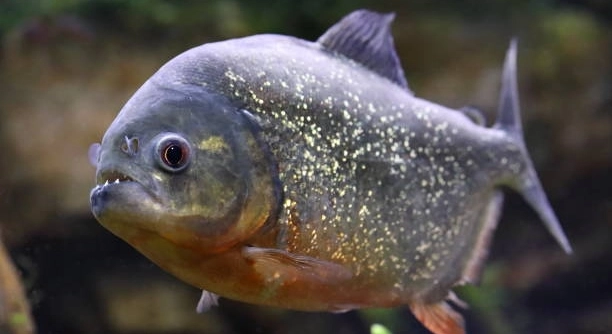
Tank safety is essential for creating a secure and healthy environment for aquatic pets. Small details often make a big difference in preventing accidents and stress in the tank. Paying attention to these factors can improve overall tank conditions significantly.
Seven small details that improve tank safety include secure lids, proper filtration, stable temperature control, safe electrical setups, non-toxic decorations, regular water testing, and adequate space for tank inhabitants. These elements collectively reduce risks and promote aquatic health.
These practical steps ensure your tank remains a safe and comfortable habitat. Implementing them helps protect your aquatic pets from common hazards.
Secure Tank Lids
A secure lid is a basic but often overlooked part of tank safety. It prevents fish or other aquatic animals from jumping out. It also keeps unwanted objects or pets from falling into the tank. A tight-fitting lid reduces evaporation, helping maintain stable water conditions. Choosing a lid made of durable material adds extra protection. Make sure it fits the tank size properly to avoid gaps. Some lids come with built-in lighting, which can be convenient, but check that lights do not overheat. Regularly inspect the lid for cracks or warping, as damaged lids may not stay secure. Using clips or locks can further prevent accidental openings. For tanks with curious or active inhabitants, securing the lid is essential to avoid escape or injury. This simple detail is a key step in keeping your aquatic environment safe and stable.
A secure lid also helps maintain water temperature by limiting heat loss, which supports a consistent habitat.
Securing the lid provides peace of mind by preventing escapes and accidents. It supports a healthier tank environment by reducing contamination and evaporation. This small investment protects both your pets and your equipment. Keeping the lid well-maintained is an easy way to improve overall tank safety.
Proper Filtration Systems
Filtration is crucial for maintaining water quality and tank health. It removes waste, toxins, and debris that can harm aquatic life. A good filtration system balances mechanical, biological, and chemical filtration for effective cleaning. Mechanical filtration traps particles like uneaten food and waste. Biological filtration supports beneficial bacteria that break down harmful ammonia and nitrites. Chemical filtration removes dissolved impurities. Choosing the right filter depends on tank size and species. Filters must be cleaned regularly to prevent clogging and maintain performance. Over-filtering can cause strong currents that stress some species, so adjust flow accordingly. Using multiple filters or combining filtration types can enhance water clarity. Proper filtration reduces the risk of disease and promotes a healthy ecosystem, which is essential for long-term tank safety and animal well-being.
Regular maintenance ensures filters work efficiently and extend their lifespan.
Proper filtration protects your aquatic pets by maintaining clean water and stable conditions. It prevents dangerous toxin buildup and reduces frequent water changes. Understanding and maintaining your filter system is a key part of responsible tank care.
Stable Temperature Control
Maintaining a stable temperature is vital for aquatic health. Sudden changes can stress or even kill fish and other inhabitants. Using a reliable heater with a thermostat helps keep the water within the appropriate range.
A heater with an accurate thermostat prevents overheating or chilling, which could harm your tank’s inhabitants. Place the heater near water flow to distribute heat evenly. Regularly check the temperature with a separate thermometer to confirm consistency. Avoid placing the tank near windows or vents where temperature fluctuations are common. Sudden drops or rises in temperature can weaken fish immune systems, making them more vulnerable to illness. Keeping the temperature steady promotes healthy metabolism and behavior in aquatic pets.
In addition to the heater, cooling may be necessary in warmer climates. Fans or chillers help prevent overheating during hot months. Monitoring temperature daily ensures a stable environment, reducing stress and supporting long-term tank safety.
Safe Electrical Setups
Electrical safety is a crucial detail in tank maintenance. Wet environments combined with electricity require careful planning to avoid hazards such as shocks or fires. Use drip loops on cords to prevent water from reaching outlets.
Drip loops create a loop in the power cords below the outlet level. This stops water from running down the cord and entering the socket. Always use ground fault circuit interrupter (GFCI) outlets near tanks to shut off power quickly in case of a short circuit. Avoid overloading power strips and use surge protectors to protect equipment from electrical spikes. Secure cords away from water splashes and ensure plugs and devices are dry before use. Regularly inspect cords and equipment for wear or damage. Electrical safety reduces risks to both the tank inhabitants and the household.
Proper electrical setup not only protects equipment but also ensures your safety. Investing time in organizing cords and checking safety features prevents accidents and prolongs the life of your devices. This careful attention keeps your aquatic environment and home secure.
Non-Toxic Decorations
Choosing non-toxic decorations is essential for tank safety. Some materials can release harmful substances into the water, affecting fish health. Opt for decorations specifically designed for aquariums.
Avoid painted or treated items not made for tanks, as chemicals can leach out. Natural rocks and driftwood must be safe and cleaned before use. Decorations should not have sharp edges that could injure tank inhabitants. Proper decoration selection keeps the environment stable and safe.
Regular Water Testing
Regular water testing helps detect harmful changes in water chemistry early. Testing parameters like pH, ammonia, nitrite, and nitrate levels is vital for maintaining a healthy tank. Frequent checks prevent toxic buildup and sudden shifts that stress aquatic life.
Water testing kits are affordable and easy to use. Keeping water parameters within safe limits reduces disease risk and supports long-term tank stability.
Adequate Space for Inhabitants
Providing enough space prevents overcrowding, which can lead to stress and aggression. Each species requires specific tank sizes and swimming areas. Overcrowded tanks increase waste and reduce water quality.
Adequate space promotes healthy growth and natural behavior. Proper planning avoids common problems related to cramped living conditions.
FAQ
How often should I check the tank temperature?
It is best to check the tank temperature daily. Even small fluctuations can stress aquatic animals, so keeping a consistent temperature is important. Using a separate thermometer apart from the heater’s built-in thermostat can help you monitor accuracy and catch issues early.
What is the easiest way to secure a tank lid?
The simplest way is to use clips or locks designed for aquarium lids. These keep the lid tightly closed and prevent curious fish or pets from escaping. Make sure the lid fits properly to avoid gaps that could cause problems.
How do I know if decorations are safe for my tank?
Only use decorations labeled as aquarium-safe. Avoid items with paint, metal, or toxic chemicals. Natural materials like driftwood or rocks should be cleaned and tested for safety before adding them to the tank. Sharp edges should be smoothed or avoided to prevent injury.
How often should I clean or replace my filter?
Filters should be cleaned every 2 to 4 weeks depending on the tank size and stocking levels. Replace filter media as recommended by the manufacturer. Cleaning keeps the filter efficient and prevents buildup that could harm water quality.
What water parameters are most important to test regularly?
Test for pH, ammonia, nitrite, and nitrate levels regularly. These parameters affect water quality and fish health directly. Ammonia and nitrite should be near zero, nitrate kept low. pH should match the needs of your species.
Can I use household items as tank decorations?
It is not recommended to use household items unless they are specifically designed for aquarium use. Many household materials contain chemicals or metals that can leach into water and harm aquatic life.
How much space do different fish need?
Space needs vary by species. Small fish like tetras need about one gallon per inch of fish, while larger or more active species require more room. Overstocking increases waste and stress, so research the adult size and behavior before stocking.
What should I do if the water quality suddenly drops?
Perform a partial water change immediately to reduce toxins. Check filtration and test water parameters to identify the cause. Remove any uneaten food and debris. Monitor the tank closely for improvements.
How important is electrical safety around tanks?
Electrical safety is very important to prevent shocks and fires. Use drip loops, GFCI outlets, and avoid overloading power strips. Regularly inspect cords and devices for damage to reduce risks.
What are signs of temperature stress in fish?
Signs include lethargy, loss of appetite, erratic swimming, and gasping at the surface. Temperature stress weakens immunity and increases susceptibility to disease. Keeping a stable temperature helps prevent these issues.
Is it necessary to have a heater and a chiller?
A heater is necessary in cooler environments to maintain warmth. A chiller may be needed in hot climates or with sensitive species. Both help keep temperature stable, which is critical for health.
How often should water be tested?
Test water weekly for basic parameters. More frequent testing may be needed during tank cycling, illness, or after changes. Consistent monitoring prevents surprises and keeps conditions safe.
What happens if my filter stops working?
If a filter fails, toxins like ammonia can build up quickly. Perform a water change and clean or replace the filter as soon as possible. Temporary aeration can help maintain oxygen levels until the filter is fixed.
Can overcrowding cause disease?
Yes. Overcrowding increases waste and stress, weakening immune systems. This creates ideal conditions for disease outbreaks. Providing adequate space lowers risks and promotes healthier tanks.
Why is pH stability important?
Sudden pH changes shock fish and disrupt biological filtration. Stable pH helps maintain beneficial bacteria and overall tank balance. Adjust pH slowly if needed and keep it within species-specific ranges.
What should I do if I find sharp objects in the tank?
Remove or smooth sharp objects immediately. Injuries can lead to infections or stress. Always inspect decorations before adding them to avoid hazards.
How can I prevent fish from jumping out?
Use a secure, well-fitting lid and avoid placing tank near high traffic areas that cause disturbance. Some species are more likely to jump, so research their behavior before setting up.
Are chemical filtration media necessary?
Chemical media like activated carbon remove impurities but are not always required. They are useful in new tanks, after medication, or if water has odor or discoloration. Use as needed and replace regularly.
Can I rely only on filter for water changes?
No. Filters maintain water quality but do not remove all waste and toxins. Regular partial water changes are essential to dilute buildup and keep the environment healthy.
How do I reduce evaporation?
Use a secure lid and keep the tank away from direct sunlight and heaters. Evaporation causes water level drops and salt buildup in marine tanks. Regularly top off with dechlorinated water.
Final Thoughts
Tank safety depends on paying attention to small but important details. Each element, from temperature control to electrical setup, affects the overall health and wellbeing of aquatic life. Overlooking these details can lead to stress, illness, or accidents within the tank. Taking time to set up the tank properly ensures a safer environment for fish and other inhabitants. This reduces the chance of problems and helps maintain a balanced ecosystem.
Consistency is key in maintaining tank safety. Regular monitoring of water parameters and equipment condition prevents sudden issues. Simple actions like checking the temperature daily, performing scheduled water changes, and inspecting electrical cords can make a big difference. It is also important to use products and decorations made specifically for aquarium use, avoiding anything that could release harmful substances. These habits protect the tank’s delicate balance and keep fish healthy over time.
Investing effort in proper setup and ongoing care builds a stable, safe habitat. Small adjustments, such as securing lids or spacing tank inhabitants correctly, help avoid common problems. Keeping the environment stable minimizes stress and supports natural behavior in aquatic animals. Ultimately, focusing on these details creates a more enjoyable and worry-free tank experience. Taking the time to care for these aspects reflects the responsibility that comes with keeping aquatic life safe and thriving.

Hello,
If you enjoy the content that we create, please consider saying a "Thank You!" by leaving a tip.
Every little bit helps us continue crafting quality advice that supports the health, happiness, and well-being of pets around the world, for pets of all shapes, sizes, and species.
We really appreciate the kindness and support that you show us!