
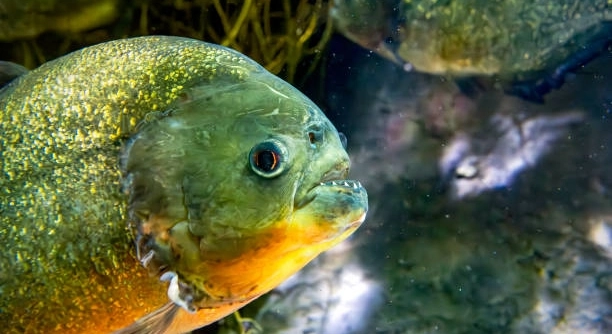
Have you ever watched a group of piranhas and wondered what really causes their sudden bursts of aggressive behavior? These fast, sharp-toothed fish may seem peaceful at times, but tensions can rise quickly.
Piranhas often clash due to limited food resources, territory disputes, breeding competition, social hierarchy imbalances, environmental stress, overcrowding, and sudden changes in water conditions. Each of these triggers can prompt aggressive responses and disrupt group harmony.
Understanding these causes offers insight into their complex behavior and can help improve care in captivity or appreciation in the wild.
Food Competition Among Piranhas
When food is scarce, piranhas can become aggressive with one another. These fish are natural scavengers and opportunistic eaters, so when a meal appears, it’s not uncommon for them to fight for access. In a tank or in the wild, if food isn’t evenly distributed or available in sufficient quantity, some piranhas may lash out. This kind of competition often leads to biting and injury. It’s not about hunger alone—it’s about quick access and control. Fast, sudden movements during feeding can increase tension in the group, leading to bursts of chaos. Feeding them at consistent times and spreading food across different areas can help reduce this behavior. In nature, competition helps keep the group strong and efficient, but in captivity, it can create stress if not managed well. Knowing this can help you recognize warning signs before real harm occurs among them.
Feeding them enough and in separate areas can ease the tension and lower the chances of fights.
If you notice aggressive snapping during feeding, it’s usually tied to limited portions or poor feeding habits. Understanding that food triggers most skirmishes helps you create a safer space for your piranhas. Preventing stress during meals is an important step in care.
Territory Disputes
Some piranhas are more territorial than others. If they feel their space is being invaded, they may show aggression right away.
In the wild, piranhas roam freely, but in tanks or small environments, space becomes limited. Piranhas often mark their territory using scent and subtle behavior, and when another fish crosses into that space, conflict can occur. This is especially true if there are not enough hiding spots or room to swim away from tension. A fish that feels cornered will be more likely to lash out. Tanks with proper structure—plants, rocks, and space—can make a difference. These barriers help establish zones and reduce confrontations. It’s also important to understand that some piranhas will always be more dominant. That’s natural. But by providing a balanced environment, you help reduce how often these power struggles happen. Pay attention to repeated chasing or one fish guarding a certain area. These are signs that space may be too tight.
Breeding Competition
During breeding season, male piranhas become more protective and may fight to guard eggs or attract females. This kind of behavior can lead to repeated aggressive actions, especially in small tanks where escape routes are limited.
Males build nests and stay close to protect their eggs, often chasing away any fish that comes near. If multiple males are in one tank, they may fight over good nesting spots or even interfere with each other’s eggs. Females can also be targets if they’re not ready to breed, which increases stress in the group. In some setups, it helps to separate breeding pairs during this time or provide dense plant cover. This gives them space and limits interaction. When breeding competition begins, you might notice longer chases, more biting, and visible injuries. All of these can be signs that your tank is too crowded or not properly set up for breeding behavior.
Keeping piranhas in groups works best when you understand their breeding needs. If you notice one fish becoming territorial or constantly hovering over a certain area, it’s likely guarding eggs. This behavior is natural, but without enough room or the right layout, it can turn into ongoing fights that impact the health of the entire tank. Recognizing this helps you make small changes before things get worse.
Social Rank Disputes
Not all piranhas get along equally. Some try to dominate the group and can show aggressive behavior to keep their rank. These social battles often show up as chasing, biting, or blocking access to food and hiding spots.
In most piranha groups, there’s a clear structure. One fish usually takes the lead, and others fall into line behind. But sometimes, another fish will challenge that leader, especially if it’s getting bigger or stronger. When that happens, you’ll likely see more aggressive chasing, longer fights, and an overall increase in tension. This can upset the balance for days or weeks. Fights over social rank aren’t always harmful, but in tanks without enough space or hiding places, they can lead to serious injury. It’s important to give your fish time to work things out, while also keeping an eye on their health. Moving around plants or decorations can also help by breaking line-of-sight and giving weaker fish a place to rest.
Environmental Stress
Sudden changes in water temperature, pH levels, or lighting can upset piranhas quickly. These shifts make them feel unsafe, and when stressed, they often become more defensive or lash out at other fish nearby.
Overcrowded tanks and poor filtration also add to stress. Dirty water, loud noise, or too much handling can make piranhas feel threatened. When they can’t escape these conditions, they may fight more often or hide for long periods.
Overcrowding
Too many piranhas in one space makes it hard for them to feel safe. When there’s not enough room, they bump into each other more often, leading to fights. Even peaceful fish can turn aggressive if they feel boxed in. A proper tank size is important for their well-being.
Sudden Disturbances
Loud sounds, sudden movements, or tapping on the tank can startle piranhas. They may react by striking out, not knowing where the threat is coming from.
What are the main causes of conflict among piranhas?
Piranhas often fight due to several key factors. Limited food, territorial disputes, competition during breeding, environmental stress, overcrowding, and sudden disturbances all contribute to aggressive behavior. Each factor increases stress within the group, making them react sharply to even minor provocations. Recognizing these causes helps in managing their environment and ensuring a more peaceful tank setup.
How does food competition contribute to their aggression?
When food is scarce, piranhas become fiercely competitive. They aggressively chase one another and may injure each other during feeding times. Uneven food distribution forces them to scramble for every morsel, leading to heightened tension. Consistent feeding schedules and dividing food into smaller, dispersed portions can ease the rivalry. This direct competition can escalate quickly when individual piranhas defend what little they secure, underscoring how essential proper feeding practices are in reducing conflict.
How do territorial disputes affect piranha behavior?
Territorial disputes occur when a piranha feels its space is being invaded by another. In confined tanks, the lack of space intensifies these disputes, as fish have nowhere to retreat during confrontations. Piranhas use subtle behaviors and body language to mark boundaries, but if these signals go unheeded, it results in continuous chasing and biting. Providing ample room and effective hiding spots within the tank can help define personal territories and reduce constant aggression over physical space.
What are the signs of stress in piranhas due to environmental changes?
Piranhas show signs of distress when their water conditions shift unexpectedly. They may exhibit rapid, erratic movements and increased snapping at tank mates. Indicators such as quick changes in swimming patterns, hiding for extended periods, or showing a lack of interest in feeding signal that the environment is causing discomfort. Maintaining stable water temperature, pH levels, and proper lighting is crucial to prevent such stress-induced behaviors that might escalate to physical confrontations among the group.
Can overcrowding lead to constant fights among piranhas?
Overcrowding is a critical factor in piranha conflicts. Too many fish in a confined space often result in frequent physical contact and heightened competition for food and territory. In such a situation, even minor interactions can trigger aggressive behavior. Overcrowding not only stresses the fish but also diminishes their natural ability to escape or hide, which exacerbates conflicts. Ensuring a spacious environment with clearly demarcated areas for activity and rest is key to minimizing continuous fighting and promoting a calmer atmosphere.
How can one prevent these conflicts in captivity?
Preventing conflict among piranhas in captivity involves careful management of their environment. Maintaining optimal water quality, consistent food distribution, and proper tank dimensions is essential. Avoid sudden changes in water conditions and provide plenty of hiding spaces using plants, rocks, or other tank decorations. During breeding seasons, consider separating piranhas to prevent breeding competition. Constant observation helps detect early signs of stress or aggression, allowing for prompt adjustments. Equally important is maintaining a balanced social hierarchy. Rearranging tank décor periodically can also disrupt established aggressive territories, giving subordinate fish a chance to retreat and recover. Preventing conflict requires a proactive approach and a willingness to modify care routines based on the observed behavior of the fish. Understanding these behavioral triggers can lead to a more harmonious environment and contribute to the overall health and longevity of your piranhas.
Final Thoughts
Keeping piranhas can be a rewarding experience, but it comes with challenges. One of the biggest issues many face is dealing with conflict in the tank. Piranhas are not always aggressive, but certain triggers can cause sudden changes in behavior. These include things like not enough food, lack of space, or changes in water conditions. When you understand what leads to these fights, it becomes easier to stop problems before they get worse. Watching your piranhas closely and noticing small changes in behavior can help you act early. A peaceful tank is possible, but it takes some effort and regular care.
Setting up the right environment is one of the most important steps. Piranhas need space to move and areas to hide. A crowded tank makes them nervous and more likely to fight. Try not to overcrowd and keep the group size reasonable for the space you have. Adding plants, rocks, or decorations gives them places to retreat when they feel stressed. Feeding is another key part. Giving enough food and spreading it around the tank reduces competition. If they don’t have to fight for food, they’re more likely to stay calm. Routine also matters—keeping feeding times and water conditions stable makes them feel more secure.
Even with the best care, occasional conflict may still happen. This is part of their natural behavior, especially during breeding or when new fish are added to the tank. The goal isn’t to stop all aggression, but to manage it in a way that keeps the group safe and healthy. Use these behaviors as signals—your piranhas are trying to tell you something. Whether it’s a sign of stress, a poor setup, or an issue with food, these moments can guide your next steps. With some patience and the right adjustments, your piranhas can live together peacefully. Paying attention, staying consistent, and understanding their needs will go a long way in helping them thrive.

Hello,
If you enjoy the content that we create, please consider saying a "Thank You!" by leaving a tip.
Every little bit helps us continue crafting quality advice that supports the health, happiness, and well-being of pets around the world, for pets of all shapes, sizes, and species.
We really appreciate the kindness and support that you show us!