
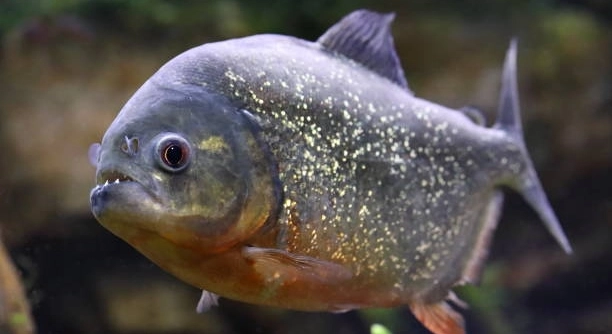
Feeding intensity affects how animals or people eat and digest their food every day. Many things can change the speed and amount of feeding, making it an important topic to understand. This article will explain what influences feeding intensity.
Feeding intensity is influenced by factors such as the type of food, the environment, the animal’s age, health status, and even social settings. These elements interact to determine how much and how fast feeding occurs, impacting nutrition and overall well-being.
Knowing these influences helps improve feeding practices and supports better health outcomes. This information is useful whether you care for pets, farm animals, or are interested in nutrition science.
Type of Food
The kind of food being consumed plays a big role in feeding intensity. Foods that are easy to digest, like soft fruits or processed pellets, tend to encourage faster feeding. Harder or more fibrous foods, such as raw vegetables or whole grains, usually slow down feeding because they require more effort to chew and digest. Protein-rich foods can also affect how much an animal eats because they provide more energy per bite, often leading to smaller but more satisfying meals. In addition, taste and smell influence feeding speed. More appealing foods naturally increase feeding intensity, while bland or less familiar items can cause hesitation or slower eating. Understanding the impact of food type helps tailor diets to support healthy feeding habits and improve overall intake.
The texture, flavor, and nutrient content all influence how eagerly an animal approaches its meal. These factors directly affect feeding intensity and behavior.
Matching food types to the specific needs and preferences of the eater encourages consistent and balanced feeding, which supports better health and growth over time. Adjustments to diet can improve feeding outcomes in both pets and livestock.
Environment
The surroundings where feeding takes place can change feeding intensity in many ways. A calm, quiet area allows for focused eating without distractions, while noisy or crowded spaces may cause stress and reduce feeding speed. Temperature also matters; extreme heat or cold can affect appetite and feeding behavior. Lighting plays a role as well—too bright or too dim settings may alter how comfortable an animal feels while eating. Familiar environments tend to promote steady feeding intensity, as animals feel safe and relaxed. On the other hand, new or unstable environments can cause hesitation or less frequent feeding. Knowing how the environment shapes feeding habits helps create better conditions for eating and digestion, which is important for health.
Environmental factors often influence feeding intensity more than we expect.
Adjusting the feeding space by minimizing noise, providing adequate temperature control, and maintaining consistent routines can make a noticeable difference. Simple changes like moving feeding areas to quieter corners or ensuring comfortable temperatures can encourage better feeding patterns. Animals and people eat more steadily when they feel secure, and this consistency supports digestion and nutrient absorption. Regularly monitoring the environment and making improvements can help maintain healthy feeding habits over time, preventing problems related to stress or discomfort during meals.
Age and Development
Age affects feeding intensity significantly. Younger animals and children often eat more frequently but in smaller amounts, while adults may have more controlled feeding patterns.
Young animals and children are growing rapidly, so their energy needs are higher. They tend to eat more often to support growth and development. However, their eating speed can vary widely depending on their mood or health. Older animals or adults usually have slower metabolisms, which can reduce feeding intensity. In some cases, appetite decreases with age, and feeding sessions become shorter or less frequent. Understanding these changes helps adjust feeding schedules to meet nutritional needs at every life stage.
Feeding intensity changes through life, reflecting growth, activity levels, and metabolism shifts. Adjusting feeding amounts and frequency based on age ensures proper nutrition and energy balance. This approach helps maintain health and vitality across all stages of development.
Health Status
Health status directly impacts feeding intensity. When an animal or person is sick or stressed, appetite often decreases, leading to lower feeding intensity.
Illness or injury can reduce the desire to eat, sometimes drastically. Pain, digestive problems, or infections can all contribute to changes in feeding behavior. Chronic health conditions may cause long-term alterations in appetite and feeding intensity, requiring careful management. Stress, whether from environmental changes or social pressures, can also lower feeding intensity by affecting hormones linked to hunger. On the other hand, some health conditions may increase appetite or cause erratic eating patterns, making feeding intensity unpredictable. Monitoring health closely and adjusting feeding strategies during illness or stress is essential to support recovery and maintain nutritional balance. This careful attention helps prevent weight loss and malnutrition during difficult times.
Social Setting
Social surroundings influence feeding intensity. Animals or people often eat faster or more when others are around.
Competition or social cues can encourage quicker feeding. In groups, some may eat more to secure enough food, while others may eat less if feeling intimidated.
Hunger and Satiety Signals
Hunger and fullness are controlled by signals in the body that tell when to start or stop eating. These signals depend on hormones like ghrelin, which increases appetite, and leptin, which signals fullness. When hunger signals are strong, feeding intensity rises as the body seeks energy. After eating, satiety signals reduce feeding intensity to prevent overeating. Sometimes, these signals can get confused due to stress, illness, or poor diet, leading to irregular feeding intensity. Understanding how hunger and satiety work helps in managing proper feeding habits and maintaining balanced nutrition.
Feeding Schedule
Having a consistent feeding schedule helps regulate feeding intensity by setting predictable times for eating.
What is feeding intensity?
Feeding intensity refers to how much and how quickly an animal or person eats during a meal or over time. It involves the rate of consumption and the overall quantity of food taken in. This measure helps understand eating behaviors and how different factors influence feeding patterns.
Why does feeding intensity matter?
Feeding intensity affects digestion, nutrient absorption, and overall health. Eating too quickly can cause discomfort or poor digestion, while eating too slowly might reduce appetite. Understanding feeding intensity helps optimize feeding habits, ensuring the right balance for energy needs and well-being.
How does food type change feeding intensity?
Different foods require different effort to eat. Soft, tasty, or high-energy foods usually increase feeding intensity because they are easier and more enjoyable to consume. Tough or fibrous foods slow down feeding since they need more chewing and time to digest.
Can environment impact feeding speed?
Yes, calm and comfortable environments promote better feeding intensity. Stressful or noisy places often decrease appetite and slow eating. Proper lighting, quietness, and familiar surroundings help animals and people feel secure enough to eat steadily.
Does age affect how much or fast someone eats?
Age is a big factor. Young animals and children generally eat more often and sometimes faster to meet growth demands. Adults tend to eat less frequently and more slowly, while older individuals may have reduced appetite and slower feeding intensity.
How does health status influence feeding habits?
Health problems like illness, pain, or stress can reduce feeding intensity. Appetite often drops during sickness, making feeding less frequent and slower. Some conditions may increase hunger irregularly, but generally, poor health lowers feeding activity.
What role do hunger and fullness signals play?
Hunger hormones tell the body when to start eating, while fullness hormones signal to stop. When these signals work well, feeding intensity balances out with energy needs. Disruptions can cause overeating or underfeeding, affecting nutrition and health.
Is feeding schedule important for feeding intensity?
A regular feeding schedule helps the body know when to expect food, promoting steady feeding intensity. Skipping meals or irregular times can cause overeating or reduced appetite, disrupting feeding patterns and overall nutrition.
How do social settings influence feeding?
Being around others often changes how quickly or how much an individual eats. Some eat faster due to competition, while others may eat less if feeling anxious. Social dynamics can significantly affect feeding intensity in group settings.
Can stress change feeding intensity?
Stress often lowers appetite and slows feeding, but in some cases, it can cause overeating. The body’s stress response affects hunger signals, making feeding intensity unpredictable during stressful periods. Managing stress supports healthier feeding habits.
What can be done to improve feeding intensity?
Improving feeding intensity involves choosing appropriate foods, creating a calm environment, keeping a regular feeding schedule, and monitoring health. Understanding personal or animal needs helps adjust feeding practices for better nutrition and comfort.
Are feeding intensity changes normal?
Yes, feeding intensity naturally varies with age, health, and environment. Short-term changes are common, but long-term shifts might signal health or behavioral issues that need attention. Regular observation helps identify when adjustments are needed.
How does hydration affect feeding intensity?
Proper hydration supports digestion and appetite. Dehydration can reduce feeding intensity by causing discomfort or dulling hunger signals. Drinking enough water encourages better eating patterns and nutrient absorption.
Can feeding intensity affect weight?
Yes, eating too fast or too much can lead to weight gain, while eating too little or too slowly might cause weight loss. Balanced feeding intensity helps maintain a healthy weight by matching energy intake with the body’s needs.
What signs show feeding intensity is too low or too high?
Low feeding intensity may cause weight loss, lethargy, or poor growth. High feeding intensity can lead to digestive issues, overeating, or obesity. Watching for these signs helps adjust feeding to maintain health.
Feeding intensity is an important part of eating that affects health and well-being. It is influenced by many factors, including the type of food, the environment, age, health, and social settings. Paying attention to these factors helps understand how and why feeding intensity changes. This understanding makes it easier to support healthy eating habits for both people and animals. Whether you are feeding a pet, caring for livestock, or managing your own nutrition, knowing what influences feeding intensity is useful for better results.
Adjusting feeding practices based on what affects feeding intensity can improve digestion, nutrient absorption, and overall energy balance. For example, choosing foods that match the eater’s needs and preferences can encourage better feeding habits. Creating a calm, comfortable environment helps reduce stress, which can lower feeding intensity if left unchecked. Also, keeping a consistent feeding schedule supports steady appetite and prevents overeating or underfeeding. Monitoring health is equally important because illness or stress can change how much and how fast someone eats. When feeding intensity changes unexpectedly, it may be a sign that something needs attention.
By paying close attention to feeding intensity and its influences, better feeding routines can be established. This leads to healthier outcomes and improves quality of life. It’s important to remember that feeding intensity naturally changes over time due to growth, age, or changes in health. Being patient and flexible while making adjustments can help meet nutritional needs more effectively. Overall, understanding and managing feeding intensity allows for balanced feeding that supports long-term health and well-being.

Hello,
If you enjoy the content that we create, please consider saying a "Thank You!" by leaving a tip.
Every little bit helps us continue crafting quality advice that supports the health, happiness, and well-being of pets around the world, for pets of all shapes, sizes, and species.
We really appreciate the kindness and support that you show us!