
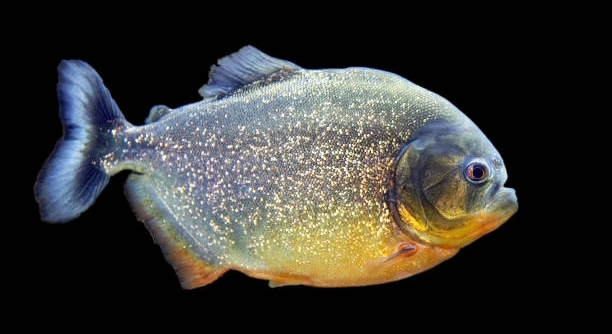
Piranhas are often seen as fast-moving fish, but there are moments when they suddenly stop moving. These brief stillness episodes can be surprising for anyone observing their behavior in water. Understanding these pauses helps reveal more about their nature.
Piranhas show sudden stillness due to environmental changes, hunting strategies, social signals, or resting periods. These moments serve important roles in their survival, communication, and energy conservation within their aquatic habitat.
These moments of calm hold clues about how piranhas interact with their surroundings. Exploring these behaviors sheds light on their complex lives beneath the water’s surface.
Sudden Stillness During Feeding
Piranhas often stop moving suddenly when they are about to feed. This stillness allows them to focus on their prey with precision. By staying perfectly still, they avoid alerting their target and increase their chance of a successful catch. In groups, this moment of quiet helps them coordinate attacks more effectively. The sudden pause also conserves energy, which is important because their fast bursts of movement require a lot of effort. When the water is murky or visibility is low, this stillness helps piranhas rely on other senses, like vibrations in the water, to detect food. It’s a natural part of how they behave in their habitat and is essential for their survival.
When feeding, this sudden stillness signals a shift from searching to striking, sharpening their focus on capturing prey.
Observing piranhas in this state reveals their cautious and strategic nature. Unlike what many think, they don’t always swim wildly but use calm moments to improve their chances during feeding. This behavior balances energy use and hunting efficiency.
Stillness as a Defense Mechanism
Piranhas may suddenly stop moving to avoid detection by predators or threats. Remaining motionless makes them harder to spot, especially in dense water plants or shadows. This tactic helps them blend into their surroundings and stay safe. When danger feels near, freezing minimizes movement that could draw unwanted attention. In addition, this pause allows piranhas to assess the situation before deciding to flee or hide deeper. It is an instinctive response that increases their survival chances.
Sudden stillness acts as a natural defense, allowing piranhas to evade predators by becoming less visible.
This stillness is a key survival tool. In the wild, piranhas face threats from larger fish, birds, and animals at the water’s edge. By pausing, they reduce risk and gather information about their environment. This calm moment can make the difference between being noticed or remaining safe. Understanding this helps us see piranhas as careful and alert creatures, not just aggressive hunters. It also highlights how important quiet moments are for their protection.
Stillness During Rest Periods
Piranhas stop moving to rest and conserve energy. These breaks help them recover from bursts of activity and maintain their strength throughout the day.
Resting stillness is crucial for piranhas because their quick movements use a lot of energy. During these quiet moments, their metabolism slows, allowing their muscles to recover. In the wild, resting safely is important since constant movement could attract predators or waste energy unnecessarily. Staying still also helps them remain unnoticed by both prey and threats. These pauses ensure that piranhas stay alert and ready when action is needed again.
In aquariums, piranhas show similar resting stillness, often finding quiet corners. This behavior highlights their need for regular breaks, even in safe environments. Resting stillness supports their health and keeps them prepared for sudden bursts of movement.
Communication Through Stillness
Piranhas sometimes become still to send signals to other fish nearby. This stillness can indicate warnings or social cues within the group.
Remaining motionless serves as a silent message in piranha groups. It can show submission, alert others of danger, or help coordinate group behavior. When one piranha freezes, others often respond by changing their own activity, maintaining group balance. This non-verbal communication reduces conflict and helps the school function smoothly. The stillness also helps them assess the mood and intentions of other fish.
This type of communication strengthens social bonds and helps piranhas work as a team. Understanding their use of stillness reveals more about how they live together and respond to their environment. It shows a thoughtful side of these fish, often missed by casual observers.
Stillness Before Mating
Piranhas become very still before mating. This calm helps them prepare and signals readiness to their partners.
This moment of stillness is part of their courtship ritual. It shows patience and focus before the spawning begins, allowing both fish to coordinate their movements carefully.
Stillness in Low Oxygen Areas
When oxygen levels in water drop, piranhas reduce movement to save energy. Staying still helps them cope with the harsher environment.
In these conditions, sudden stillness supports survival by lowering their need for oxygen. This adaptive behavior lets piranhas manage stress until conditions improve or they can move to better water.
Stillness During Territorial Disputes
Piranhas pause to size up rivals before acting. This stillness helps prevent unnecessary fights by assessing strength quietly.
Why do piranhas suddenly stop moving?
Piranhas stop moving suddenly for several reasons like feeding, resting, or avoiding danger. This stillness helps them focus on prey, save energy, or avoid being noticed by predators. It’s a natural part of their behavior that supports survival in their environment. Rather than always swimming aggressively, piranhas use stillness as a tool for hunting and protection.
Is sudden stillness a sign of stress in piranhas?
Not always. While sudden stillness can occur if piranhas feel threatened or stressed, it often serves other purposes like resting or communicating. If stillness is paired with other signs such as rapid breathing or hiding, stress might be involved. But stillness by itself is usually a normal, healthy behavior.
How long do piranhas stay still during these pauses?
The length of stillness varies depending on the reason. During feeding or communication, pauses last just a few seconds to improve accuracy or signal others. When resting, piranhas might stay still for several minutes. In low oxygen situations, stillness might extend longer to conserve energy until conditions improve.
Do all piranha species show sudden stillness?
Yes, most piranha species display sudden stillness. It’s common across the group and serves similar purposes like hunting, defense, and social interaction. The exact behavior can differ slightly depending on species, habitat, and environmental factors, but stillness is a shared trait.
Can stillness mean a piranha is sick or unhealthy?
Stillness alone isn’t a reliable sign of illness. Healthy piranhas naturally pause throughout the day. However, if stillness is accompanied by unusual behavior like floating oddly, lack of appetite, or discoloration, it could indicate health problems. Observing overall behavior helps determine if something is wrong.
How does stillness help piranhas in groups?
In groups, stillness helps coordinate activities like hunting and defense. When one piranha stops moving, others respond by adjusting their own actions. This silent communication helps them work together, avoid conflicts, and stay alert to threats. It strengthens social bonds and improves survival chances.
Are there times when sudden stillness is dangerous for piranhas?
Sudden stillness isn’t usually dangerous by itself. However, if piranhas stay still too long without moving, they might become vulnerable to predators or unable to find food. In stressful environments, extended stillness could signal problems, but brief pauses are mostly beneficial.
How can observing sudden stillness improve understanding of piranhas?
Watching these quiet moments offers insight into piranhas’ strategies for hunting, resting, and socializing. It shows they are more than just aggressive fish — they use calm and stillness thoughtfully. Understanding this behavior helps in caring for them in captivity and appreciating their role in nature.
Does sudden stillness affect aquarium piranhas differently than wild ones?
In aquariums, piranhas also show sudden stillness, often during feeding or resting. The controlled environment may change how often they pause, but the behavior remains important. It indicates comfort, focus, or sometimes stress depending on tank conditions. Recognizing these pauses helps aquarium owners monitor their fish’s health and mood.
What environmental factors cause piranhas to become still?
Changes like low oxygen, murky water, or presence of predators can trigger stillness. These factors encourage piranhas to conserve energy, stay hidden, or communicate. Sudden temperature shifts or overcrowding may also lead to more frequent pauses as piranhas adjust to their surroundings.
How can I tell if sudden stillness is normal or a problem?
Look at the context. If piranhas pause briefly during feeding or rest, it’s normal. If stillness is prolonged and paired with strange signs like loss of appetite or unusual swimming, it might be a problem. Monitoring their environment and behavior helps decide when to act.
Can sudden stillness be trained or influenced?
Piranhas naturally control their movement based on instinct, so stillness isn’t something easily trained. However, in captivity, feeding routines or tank conditions can influence when and how often they pause. Consistent care and a healthy environment support natural behavior.
What role does stillness play in piranha survival?
Stillness plays a big role by helping piranhas hunt more successfully, avoid predators, conserve energy, and communicate with each other. These quiet moments are essential to balancing their active bursts with needed rest and caution. It’s a smart survival strategy.
Is sudden stillness common during piranha reproduction?
Yes, piranhas often become still during courtship and mating. This calm moment helps synchronize their actions and signals readiness to mates. It’s part of their reproductive behavior that ensures better success in spawning.
How can noticing sudden stillness improve piranha care at home?
Recognizing when your piranhas pause can help you understand their needs. Sudden stillness might show they are feeding, resting, or stressed. Adjusting feeding schedules, tank setup, or water quality based on these observations supports healthier, happier fish.
The sudden stillness of piranhas is an interesting part of their behavior. These moments of pause are not random but serve important purposes. Whether they are hunting, resting, communicating, or avoiding danger, stillness helps piranhas survive in their environment. Understanding these quiet moments gives us a clearer picture of how piranhas live and act. It shows that they are not just fast-moving fish but thoughtful creatures that use calmness to their advantage.
When piranhas stop moving suddenly, it is often a sign they are focusing or conserving energy. These pauses allow them to better sense their surroundings or prepare for action. For example, before attacking prey, they freeze to avoid alerting it. When they rest, they stay still to recover from the energy used in quick movements. Even in groups, stillness helps them communicate silently and coordinate their behavior. This balance between movement and stillness is important for their daily life.
Paying attention to sudden stillness can also help people who care for piranhas in tanks. Recognizing these moments can tell us if the fish are healthy, comfortable, or stressed. Sometimes stillness means the piranha is simply resting, but long or unusual pauses might signal a problem. By understanding why piranhas become still, owners can create better living conditions and respond to their needs. Overall, sudden stillness is a natural and useful part of piranhas’ behavior that reveals much about their nature.

Hello,
If you enjoy the content that we create, please consider saying a "Thank You!" by leaving a tip.
Every little bit helps us continue crafting quality advice that supports the health, happiness, and well-being of pets around the world, for pets of all shapes, sizes, and species.
We really appreciate the kindness and support that you show us!