
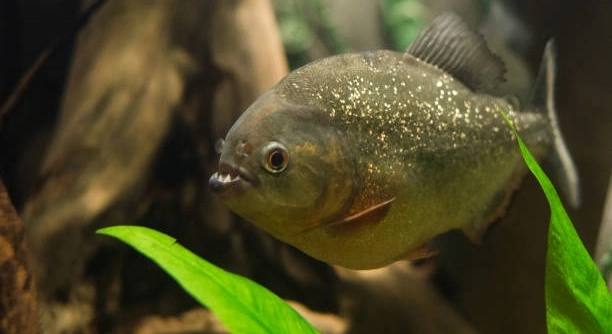
Piranhas are well-known fish that live in rivers across South America. They have sharp teeth and a fierce reputation. However, not all piranhas are the same, and their traits can differ depending on where they live.
Piranha traits vary significantly by region, including differences in size, behavior, diet, and aggression. These regional variations are influenced by environmental factors such as water conditions, available food sources, and predator presence. Understanding these differences is important for both research and conservation efforts.
These regional traits reveal much about how piranhas adapt to their unique habitats and ecosystems. Exploring these variations offers a clearer picture of their diverse nature.
Size Differences Across Regions
Piranha size varies a lot depending on where they live. In some parts of the Amazon, piranhas tend to be smaller, usually around 6 to 8 inches long. These smaller fish live in crowded areas where food can be limited. In contrast, piranhas found in the Orinoco River often grow much larger, sometimes reaching up to 12 inches or more. The bigger size helps them compete better for food and avoid predators. This size difference also affects their hunting habits and social behavior. Smaller piranhas may hunt in groups, while larger ones often rely on their strength to catch prey alone. Environmental factors like water temperature and food availability play key roles in these size variations. Understanding this helps scientists learn how piranhas adapt to their specific habitats and survive under different conditions.
The size of piranhas is an important trait that changes with their environment and affects their survival strategies.
Knowing these differences can give a better idea of what to expect when observing piranhas in different regions.
Variations in Diet
Diet is a key factor that changes depending on the piranha’s home. In many river areas, piranhas mostly eat plants, insects, and small fish. This diet keeps them healthy but not very aggressive. In regions where food is scarce, piranhas tend to eat more meat, including larger prey or dead animals. This makes them more aggressive and active hunters. Some piranhas even adapt to eating fruits or seeds that fall into the water. The diet shift depends on what food is most available in each region. These eating habits influence how piranhas behave, whether they hunt alone or in groups, and how they interact with other animals. Studying these diet differences helps us understand their role in the ecosystem and how they maintain balance in their habitats.
Aggression Levels by Habitat
Piranha aggression varies depending on where they live. Some regions have more aggressive fish, while others have calmer populations. This affects how they hunt and protect themselves.
In fast-moving rivers with many predators, piranhas tend to be more aggressive. They form larger groups to defend themselves and hunt efficiently. This behavior helps them survive in dangerous environments. On the other hand, piranhas living in calmer waters show less aggression. They often hunt smaller prey and rely more on stealth than strength. The difference in aggression is a response to environmental pressures and food availability.
Aggression also influences social structure. More aggressive piranhas may have clearer dominance hierarchies, while less aggressive ones coexist peacefully. Understanding these differences helps explain how piranhas adapt to their habitats and maintain their populations in various regions.
Coloration Differences Among Regions
Piranha coloration can vary greatly between regions. Some have bright red bellies, while others show duller shades or even silvery tones. This variety helps with camouflage and communication.
In areas with dense vegetation, piranhas often display darker colors to blend in with shadows and plants. These colors make it harder for predators to spot them. In contrast, piranhas living in open waters or clearer streams may have lighter or more vibrant colors. These brighter colors can serve to warn predators or attract mates during breeding season. Color patterns also vary with age and sex, adding complexity to their appearance. These differences are important for survival, reproduction, and social interaction within piranha groups. Studying coloration helps scientists track populations and understand how piranhas respond to their environments.
Social Behavior Variations
Piranhas show different social behaviors depending on their region. Some live in large schools, while others prefer to stay alone or in small groups.
These social habits are influenced by the environment. In places with many predators, schooling offers safety. In calmer waters, they may be more solitary and less aggressive.
Breeding Habits
Breeding habits of piranhas differ by region. Some species build nests and guard their eggs carefully, while others scatter eggs and leave them unattended. In fast-flowing rivers, guarding eggs increases survival rates, but in quieter waters, eggs can develop without much protection. These differences reflect how piranhas adapt their reproductive strategies to local conditions and risks.
Jaw Strength Differences
Jaw strength varies between piranha populations, affecting how they catch and eat prey.
Water Temperature Impact
Water temperature influences piranha activity and metabolism.
What makes piranhas different in various regions?
Piranhas differ in size, diet, aggression, coloration, social behavior, breeding habits, jaw strength, and how they respond to water temperature. These differences come from the unique environments where they live. Rivers, streams, and lakes vary in food availability, predators, water flow, and temperature, which all affect how piranhas adapt and survive.
Are some piranhas more dangerous than others?
Yes, aggression levels differ by region. Piranhas in fast-moving rivers with many predators tend to be more aggressive, hunting in groups and defending themselves fiercely. In calmer waters, they are less aggressive and more likely to hunt smaller prey quietly. The local environment plays a big role in shaping how dangerous a piranha might be.
Do piranhas change color depending on where they live?
Coloration does vary between regions. Some piranhas have bright red or orange bellies, especially during breeding season, while others are duller or silvery to blend with their surroundings. These color differences help with camouflage, signaling to other piranhas, or warning predators. Vegetation, water clarity, and light conditions all influence their colors.
How do piranhas hunt in different regions?
Piranha hunting methods change based on food availability and habitat. In areas with plenty of small fish or insects, they may hunt alone or in small groups. In regions with scarce food or larger prey, piranhas form bigger schools to work together. Their jaw strength and aggression also adjust to what is needed for hunting success in each environment.
Do piranhas live alone or in groups everywhere?
Social behavior varies a lot. Some piranhas form large schools to protect against predators, especially in dangerous or open water habitats. Others live alone or in small groups when the environment is safer or food is limited. These social differences help piranhas balance safety and competition for resources.
How do breeding habits differ among piranhas?
Some piranha species build nests and guard their eggs closely, especially in rivers with strong currents or many predators. Others scatter eggs and leave them alone in calmer waters. These different strategies help ensure the survival of their young in varying conditions.
Why do some piranhas have stronger jaws?
Jaw strength depends on diet and prey type. Piranhas eating tougher or larger prey need stronger jaws to bite and hold their food. Regions with more hard-shelled or larger prey often have piranhas with more powerful bites. This trait evolves based on what is needed to survive in each habitat.
Does water temperature affect piranha behavior?
Yes, temperature affects metabolism and activity. Warmer water speeds up metabolism, making piranhas more active and hungry. Colder water slows them down. Regional temperature differences mean piranhas adjust their feeding and movement patterns to match the conditions.
Can piranhas live outside their native regions?
Piranhas usually thrive best in their natural habitats where conditions match their adaptations. Moving them to different regions can cause stress or reduce survival because of differences in water, food, and predators. This is why their regional traits are important to understand for conservation or aquarium care.
Are all piranhas carnivores?
Not all piranhas eat only meat. Many are omnivores and will consume plants, seeds, and fruits along with insects and small animals. The balance of plant versus animal food changes depending on what is available in their region. This flexible diet helps them survive in various environments.
Piranhas are often seen as fierce and dangerous fish, but they are much more complex than that. Their traits change depending on where they live. From size and color to behavior and diet, these differences help piranhas survive in many types of water environments. Each region brings unique challenges and opportunities, shaping how piranhas live and grow. Understanding these traits helps us see piranhas in a clearer light, beyond just the scary reputation they have.
The way piranhas adapt to their surroundings shows how smart and flexible they are as a species. For example, their aggression levels can go up or down based on how many predators or food sources are nearby. Some live in groups to protect themselves, while others prefer to be alone. Their colors can help them hide or signal others, and their jaws grow stronger when needed for tougher food. These changes are not random but are part of how piranhas have learned to fit into different places around South America.
Knowing about the regional differences in piranhas is important for scientists, fishkeepers, and anyone interested in nature. It helps with keeping piranhas healthy in aquariums and protecting them in the wild. By learning more about where and how they live, we can appreciate their role in the ecosystem. Piranhas are not just dangerous fish; they are a vital part of river life, adapting in many ways to survive and thrive.

Hello,
If you enjoy the content that we create, please consider saying a "Thank You!" by leaving a tip.
Every little bit helps us continue crafting quality advice that supports the health, happiness, and well-being of pets around the world, for pets of all shapes, sizes, and species.
We really appreciate the kindness and support that you show us!