
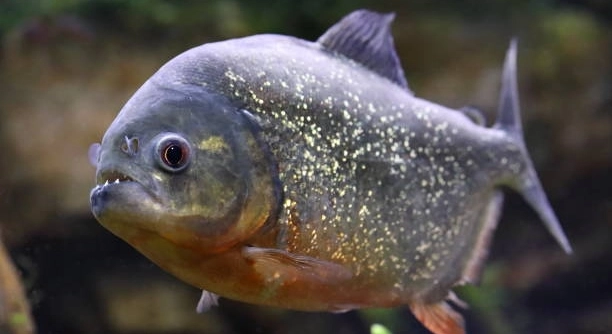
Piranhas are often seen as fierce fish, but they also show interesting behaviors when they swim together. Sometimes, these fish mirror each other’s movements in a way that catches the eye. This article explores seven moments when piranhas do just that.
Piranhas mirror each other during social interactions, hunting strategies, and defensive formations. This behavior helps them coordinate movements, improve group efficiency, and protect themselves from threats. Such mirroring is a key part of their survival and social structure.
Understanding these mirrored moments reveals more about how piranhas live and work as a group. It highlights their surprising social skills beyond their tough reputation.
Mirroring During Hunting
When piranhas hunt, they often swim in tight groups, matching each other’s movements closely. This mirroring helps them surround prey quickly and efficiently. By copying the speed and direction of nearby fish, they can confuse their target and reduce the chance of escape. This coordinated movement also prevents collisions within the group. It is fascinating how such small fish show such precise teamwork without a leader guiding them. The mirrored swimming also allows piranhas to respond to sudden changes, like when prey tries to dart away. This quick response is crucial for their hunting success. Their mirrored actions make the group more than just a collection of individuals; it turns them into a well-synchronized unit. This behavior also conserves energy, as each fish adjusts its movement based on the others. Such cooperation increases the chance of catching food, which is vital for their survival.
Mirroring in hunting improves the piranhas’ efficiency and keeps them safe during fast chases. It is a natural strategy to increase their chances of success.
This close mirroring shows how piranhas are not just aggressive but smart hunters. Their ability to move as one helps maintain group cohesion and allows them to react quickly to prey’s moves. It’s impressive to watch how they keep this balance between aggression and teamwork in the wild.
Mirroring as a Defense Mechanism
Piranhas also mirror each other when they feel threatened. This synchronized movement creates confusion for predators, making it harder to single out one fish. By moving in unison, the group appears larger and more intimidating. It is a natural way to reduce the risk of attack. This defense tactic relies on the piranhas’ ability to read each other’s signals and move as a single unit. Such coordination comes from constant interaction and practice within the group. When danger passes, the mirrored swimming slows down and the fish spread out again. This behavior shows how important teamwork is, even for fish known for their fierceness.
When threatened, mirrored swimming helps piranhas stay safe by confusing attackers and strengthening the group’s defense.
This defense strategy highlights piranhas’ social awareness and communication skills. They rely on mirroring to protect themselves, demonstrating that cooperation is just as vital as strength in the wild. It is a reminder that even aggressive animals depend on working together for survival.
Mirroring During Mating Rituals
Piranhas mirror each other’s movements during mating to strengthen their bond. This synchronized swimming shows readiness and helps establish trust between partners. It also signals to others that a pair is formed.
This mirroring during mating is a form of communication. By moving together, piranhas coordinate their timing for spawning. The alignment ensures eggs and sperm are released at the same time, improving fertilization chances. This behavior also reduces aggression between mates, creating a peaceful moment during an otherwise competitive season. Mirroring builds connection and trust, which are essential for successful reproduction in a crowded environment.
Watching piranhas mirror each other during mating reveals how important cooperation is in their life cycle. It shows they depend on more than strength—they need timing and teamwork to keep their species thriving.
Mirroring in School Formation
Piranhas form schools where synchronized swimming is constant. Mirroring keeps the group tight and organized, allowing fish to react instantly to danger or changes. This reduces the risk of separation and increases safety for each fish.
In a school, mirrored movement helps maintain spacing so no fish is left behind or too exposed. It also improves hydrodynamics, saving energy as fish swim close together. This behavior develops naturally as piranhas grow and interact daily. School formation is critical for feeding, protection, and social interactions. The mirrored swimming ensures the school moves as one, making the group harder for predators to attack successfully. This coordination is a fine example of collective behavior, showing that piranhas are social animals who rely on each other for survival.
Mirroring During Rest Periods
Piranhas often mirror each other while resting to maintain group cohesion. This behavior helps them stay alert and ready to react quickly if needed.
Mirroring during rest also strengthens social bonds. By staying synchronized, they create a calm but connected environment that supports group safety.
Mirroring in Feeding Competition
When feeding, piranhas mirror each other’s movements to avoid clashes. This coordination reduces aggression and allows more individuals to access food fairly.
Mirroring during feeding shows their ability to balance competition with cooperation. It helps maintain peace within the group while still ensuring survival.
Mirroring in Exploration
Piranhas mirror each other as they explore new areas. This helps them stay close and react quickly to any threat or opportunity they encounter.
Why do piranhas mirror each other’s movements?
Piranhas mirror each other mainly to stay coordinated within their group. This behavior helps them swim together smoothly and respond to changes quickly. By copying each other’s speed and direction, they can hunt better, defend themselves, and avoid collisions. Mirroring also keeps the group tight, which is safer for each fish.
How does mirroring help piranhas hunt?
During hunting, mirroring allows piranhas to act as a unit. When they surround prey, moving in sync confuses the target, making it harder to escape. This close coordination means they can strike at the same time, increasing their chances of a successful catch. The group’s ability to mirror movements lets them react instantly to the prey’s sudden moves.
Is mirroring important for piranha survival?
Yes, mirroring is vital for survival. It improves hunting efficiency, protects the group from predators, and helps during social behaviors like mating or resting. Without mirroring, the group would be less organized, weaker, and more vulnerable to threats.
Do all fish mirror each other like piranhas?
Many fish species show mirroring or synchronized swimming, but piranhas use it in unique ways. Their mirroring is especially tied to their hunting style and strong social bonds. Other fish might mirror for protection or schooling, but piranhas use it also during mating and feeding competition.
Can mirroring reduce aggression among piranhas?
Yes, mirroring helps keep peace in the group. When piranhas mirror each other during feeding or mating, it reduces clashes by showing cooperation and shared timing. This behavior makes the group more balanced, preventing constant fighting over food or mates.
How do young piranhas learn to mirror?
Young piranhas learn by watching and copying older fish. As they swim in groups, they pick up on the movements around them. This natural learning helps them join coordinated groups quickly, improving their chances of survival early on.
Does mirroring affect the size of piranha groups?
Mirroring supports larger group sizes because it keeps everyone synchronized. When fish can mirror and stay close, bigger schools form without chaos. Larger groups provide better protection and hunting power, so mirroring indirectly influences how big piranha schools can get.
Are there moments when piranhas do not mirror each other?
Yes, piranhas don’t mirror constantly. They mirror mainly during hunting, mating, feeding, resting, or when threatened. At other times, like when exploring or swimming alone, they may move more independently. Mirroring happens when coordination benefits the group the most.
Can mirroring be seen in captive piranhas?
Mirroring can be observed in captive piranhas, especially if they are kept in groups. Their natural instincts still drive them to coordinate movements. However, the behavior might be less intense or frequent depending on the tank size and environment.
How does mirroring help piranhas communicate?
Mirroring acts as a non-verbal form of communication. By copying movements, piranhas signal readiness, safety, or alertness to others. This silent coordination helps them work together without making noise, which is important underwater. It builds trust and understanding within the group.
Mirroring is a fascinating behavior that piranhas use in many parts of their lives. It helps them stay connected as a group and work together better. Whether they are hunting, resting, or protecting themselves, copying each other’s movements makes the group stronger. This kind of coordination is important for their survival in the wild. It shows that even animals with a fierce reputation like piranhas rely on teamwork and communication to thrive. Mirroring is not just a simple action but a key part of how these fish live together and face challenges.
Watching how piranhas mirror each other gives a new way to understand their behavior. They are often seen as aggressive fish, but their mirrored movements show a more social side. This behavior helps reduce conflict, share resources, and increase safety. Mirroring also plays a role during important moments like mating, where timing and trust matter a lot. The fact that piranhas can stay so synchronized without a leader is impressive. It reflects a natural ability to sense and react to others quickly. This ability to move as one also helps piranhas save energy and move efficiently, which is important when they need to be active for long periods.
Understanding piranha mirroring can help people appreciate these fish beyond their scary image. It shows that they are smart and social animals, not just dangerous predators. This knowledge can also guide how to care for them in captivity, ensuring they have space and conditions that support their natural behaviors. Overall, mirroring is a clear example of how cooperation plays a role in survival for many animals, even those we think of as fierce or solitary. It reminds us that teamwork exists in many forms across nature, and piranhas are a perfect example of this fascinating behavior.

Hello,
If you enjoy the content that we create, please consider saying a "Thank You!" by leaving a tip.
Every little bit helps us continue crafting quality advice that supports the health, happiness, and well-being of pets around the world, for pets of all shapes, sizes, and species.
We really appreciate the kindness and support that you show us!