
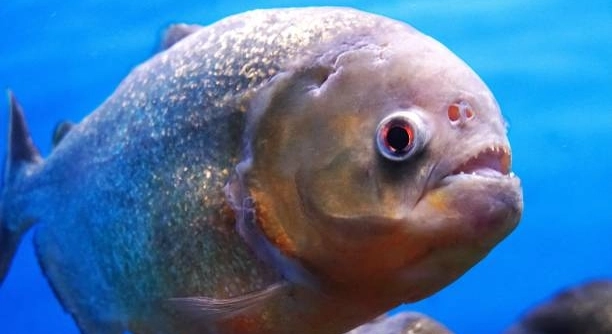
Adding a new piranha to your aquarium can be exciting but requires careful thought. These fish have specific needs and behaviors that can impact your existing setup and other tank inhabitants. Proper preparation helps ensure a safe and healthy environment for all.
Before introducing a new piranha, it is crucial to assess tank size, water conditions, diet, compatibility with other fish, quarantine procedures, and potential aggression. Each factor directly affects the health and well-being of both new and existing aquatic life.
Taking these considerations seriously will help prevent common problems and promote a balanced aquarium. This article outlines key points to support responsible piranha care.
Tank Size and Environment
A proper tank size is essential before adding a new piranha. These fish need enough space to swim comfortably and establish territories. A small tank can increase stress and aggression, which leads to health problems. For a single piranha, at least a 30-gallon tank is recommended, but a larger aquarium is better if you plan to keep multiple piranhas. The tank should also have hiding places like plants or rocks to reduce stress. Clean, well-filtered water is important to maintain the fish’s health. Regular water changes help keep nitrate levels low and oxygen levels high. Monitoring water temperature and pH is equally necessary, as piranhas thrive best in water between 74°F and 82°F and a pH around 6.5 to 7.5. This setup mimics their natural habitat and supports their well-being.
Keeping the environment stable will help your piranhas stay healthy and reduce aggressive behavior. Proper conditions are key for successful tank management.
Maintaining an adequate tank size with good filtration and proper hiding spots improves water quality and reduces stress in piranhas. Stress can weaken their immune system and make them more vulnerable to disease. Besides space, consider the layout carefully; open swimming areas combined with places to hide create a balanced environment. Make sure the tank has a secure lid since piranhas can jump. Keep an eye on water parameters regularly using test kits, and adjust as needed. Stable conditions prevent sudden changes that upset your fish. A well-maintained tank encourages natural behavior and supports the piranhas’ health, leading to a more peaceful aquarium.
Diet and Feeding
Piranhas require a varied diet to stay healthy. Feeding them only one type of food can cause nutritional deficiencies and affect their growth. A balanced diet includes fresh or frozen fish, shrimp, insects, and occasional pellets formulated for carnivorous fish. Avoid overfeeding, which pollutes the water and can lead to obesity and disease. Feed small amounts two to three times daily, allowing the fish to eat everything within a few minutes. Remove any leftover food promptly to maintain water quality.
Proper feeding supports your piranha’s energy and immune system, which is essential for their survival and activity.
A varied diet mimics the natural eating habits of piranhas and provides all necessary nutrients. Including live or frozen foods stimulates their hunting instincts and helps keep them active. Pellets should complement fresh foods but never replace them entirely. Feeding different protein sources also reduces boredom and aggressive competition during meals. Monitor your piranha’s appetite and adjust the amount accordingly, as changes can indicate stress or illness. Clean water is easier to maintain when feeding is controlled, preventing excess waste buildup. Balancing diet and feeding routine plays a critical role in the long-term health of your piranhas and the overall success of your aquarium.
Compatibility with Other Fish
Piranhas are naturally aggressive and territorial. Keeping them with peaceful or smaller fish can lead to attacks and injuries. They are best housed with similar-sized, robust species that can tolerate their behavior. Careful consideration is needed to avoid conflicts.
Choosing tank mates requires matching temperaments and sizes. Avoid slow-moving or delicate fish, as piranhas may see them as food or threats. Larger, fast-swimming fish might coexist if the tank is large enough and has plenty of hiding places. Some aquarists keep piranhas alone to prevent issues altogether. Always monitor interactions closely when introducing new fish, as aggression levels can vary by individual. Providing ample space and shelter reduces stress and helps maintain peace. Compatibility is about balancing the natural instincts of piranhas with the needs of other species in the tank.
Introducing new fish gradually and observing their behavior is crucial. Changes in tank dynamics can provoke fights, so be prepared to separate fish if necessary. Quarantining new arrivals helps prevent disease spread and allows assessment of temperament. A well-planned community reduces risk of injury and improves the aquarium’s harmony.
Quarantine and Health Checks
Quarantining new piranhas before adding them to the main tank prevents disease transmission. A separate tank for two to four weeks allows observation for illness and parasites. During this time, monitor feeding habits and overall activity closely.
Quarantine helps catch problems early before exposing other fish. Illness signs include lethargy, loss of appetite, spots, or unusual swimming patterns. Treat any infections promptly in isolation. It also gives new piranhas time to adjust to captive conditions without stress from established fish. This process protects the health of your entire aquarium and reduces the risk of outbreaks.
Perform basic health checks during quarantine by inspecting fins, gills, and body for damage or parasites. Ensure water quality remains optimal in the quarantine tank. Consistent care during this period sets the foundation for long-term success when introducing a new piranha to your main aquarium.
Aggression Management
Piranhas display aggressive behavior, especially when stressed or overcrowded. Managing aggression is necessary to maintain a peaceful tank environment.
Reducing aggression involves providing enough space, hiding spots, and avoiding sudden changes in the tank. Feeding on time also helps minimize aggressive tendencies.
Water Quality Maintenance
Maintaining water quality is vital for piranha health. Regular water changes and efficient filtration keep harmful toxins like ammonia and nitrites at safe levels. Poor water quality weakens immune systems and increases disease risk. Testing water parameters frequently helps ensure stability, promoting a healthier environment for your fish.
Observation and Adjustment
Careful observation after adding a new piranha allows you to spot early signs of stress, illness, or aggression. Be ready to adjust the tank setup or separate fish if needed to maintain balance and health. Consistent monitoring supports long-term success.
FAQ
How large should my tank be for a new piranha?
A tank of at least 30 gallons is recommended for a single piranha. Larger tanks are necessary if you plan to keep more than one, as piranhas are territorial and need space to reduce stress and aggression. Providing hiding spots and open swimming areas helps create a balanced environment.
What is the best diet for piranhas?
Piranhas thrive on a varied diet that includes fresh or frozen fish, shrimp, insects, and carnivorous pellets. Overfeeding should be avoided to prevent water pollution and health issues. Feed small amounts two to three times a day, ensuring they finish their food quickly.
Can piranhas live with other fish?
Piranhas are aggressive and may attack smaller or peaceful fish. They are best kept with robust, similar-sized species that can tolerate their behavior. Many aquarists prefer keeping piranhas alone to avoid conflicts and injuries.
How do I quarantine a new piranha?
Use a separate tank for at least two to four weeks before adding a new piranha to your main aquarium. Observe for signs of illness such as lethargy, loss of appetite, or unusual spots. This process prevents disease transmission and helps monitor the new fish’s adjustment to captivity.
What water conditions do piranhas prefer?
Piranhas thrive in water temperatures between 74°F and 82°F with a pH level around 6.5 to 7.5. Maintaining stable water parameters is crucial to reduce stress and promote good health. Regular water testing and changes keep the environment safe.
How do I reduce aggression among piranhas?
Aggression can be managed by providing ample space, hiding spots, and consistent feeding schedules. Avoid overcrowding the tank and sudden changes in the environment. Keeping stress low helps minimize aggressive behaviors.
What signs indicate a sick piranha?
Look for lethargy, loss of appetite, discoloration, spots, or abnormal swimming patterns. Early detection and treatment improve the chances of recovery. Always isolate sick fish to prevent spreading illness.
How often should I clean the tank?
Perform partial water changes of about 25% weekly or biweekly, depending on tank size and stocking levels. Clean filters regularly and remove uneaten food and waste to maintain good water quality.
Can piranhas jump out of the tank?
Yes, piranhas are known to jump, especially if startled or overcrowded. A secure lid is necessary to prevent escapes and injuries.
Are piranhas suitable for beginners?
Piranhas require specific care, including tank size, diet, and aggression management, making them less suitable for beginners. Experienced hobbyists who understand their needs will have more success maintaining a healthy piranha aquarium.
What should I do if my piranha attacks other fish?
If attacks occur, consider separating the aggressive fish or increasing tank space and hiding spots. Sometimes reducing stress by improving water quality and feeding routines can help. In severe cases, housing piranhas alone may be the best option.
Is live food necessary for piranhas?
Live food is not strictly necessary but is beneficial for stimulating natural hunting behavior and providing variety. Frozen or fresh alternatives can meet their nutritional needs effectively.
How long do piranhas live?
Piranhas typically live 10 to 15 years in captivity with proper care. Maintaining good water quality, diet, and stress levels contributes to their longevity.
What equipment is essential for a piranha tank?
A strong filtration system, heater, and secure lid are essential. Proper lighting and decorations that provide hiding spaces also contribute to a healthy habitat.
Can piranhas be bred in captivity?
Breeding piranhas in captivity is possible but challenging. They require specific conditions and may become more aggressive during spawning. Breeding is usually best left to experienced aquarists.
Final Thoughts
Adding a new piranha to your aquarium is a decision that requires careful preparation and consideration. These fish have specific needs that must be met to ensure their health and well-being. Tank size, water quality, diet, and compatibility with other fish are all important factors to think about before introducing a new piranha. Taking the time to plan and prepare your tank can help reduce stress for both your new and existing fish. It also lowers the risk of health problems and aggressive behavior. Ensuring the right environment from the start is essential for keeping piranhas healthy and happy.
Proper quarantine procedures are critical when adding any new fish, especially piranhas. Quarantining helps prevent the spread of diseases and allows you to observe the new fish for any signs of illness. During this period, it is important to maintain good water conditions and provide appropriate food. Monitoring the piranha closely will help you catch any health issues early. This step often makes a big difference in the overall success of adding new fish to your tank. It also gives the new piranha time to adjust to captivity before facing the challenges of a community tank.
Managing aggression and stress in a piranha tank is an ongoing task. Piranhas can be territorial, so providing enough space and hiding spots helps keep tensions low. Regular observation of their behavior allows you to spot any problems before they escalate. Feeding on a consistent schedule supports their health and reduces aggression. If problems do arise, adjusting tank conditions or separating fish may be necessary. With proper care and attention, you can create a stable environment where your piranhas thrive. Understanding their needs and behavior leads to a more enjoyable and successful aquarium experience.

Hello,
If you enjoy the content that we create, please consider saying a "Thank You!" by leaving a tip.
Every little bit helps us continue crafting quality advice that supports the health, happiness, and well-being of pets around the world, for pets of all shapes, sizes, and species.
We really appreciate the kindness and support that you show us!