
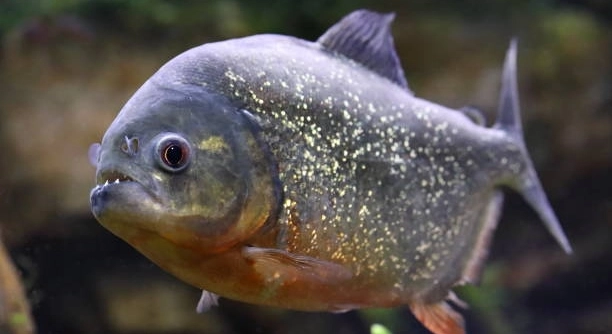
Are your piranhas acting differently in their tank lately? Many fish owners don’t realize that these creatures can experience loneliness. Knowing how to spot signs of loneliness can help improve their wellbeing and environment.
Piranhas show signs of loneliness through changes in behavior such as reduced activity, loss of appetite, or increased aggression. Observing these patterns is critical for maintaining their social health and ensuring a balanced aquarium ecosystem.
Recognizing these signs early can make a big difference in your piranha’s happiness and health. Let’s explore what to watch for and how to support your aquatic pets better.
Signs of Reduced Activity
When a piranha feels lonely, it often becomes less active than usual. You might notice your fish spending more time hiding or staying in one spot rather than swimming around energetically. This change can seem subtle at first, but over days, it becomes clear. A normally curious and lively piranha may lose interest in exploring its environment. This behavior indicates that it might be lacking the social interaction it needs. Piranhas are naturally social creatures and thrive better when they have companions or enough stimulation in their tank. If ignored, this inactivity can lead to health problems or stress.
Reduced movement and hiding are strong indicators that your piranha may be feeling isolated. Monitoring their activity levels closely can help you detect loneliness early.
By observing your piranha’s swimming habits and overall energy, you can understand if it needs more company or environmental enrichment. Adding more fish or rearranging the tank with plants and decorations can help boost activity. Encouraging interaction with others reduces stress and supports their natural behavior, leading to a healthier fish. Making these changes early can improve their mood and well-being significantly.
Changes in Appetite
A lonely piranha might eat less or even lose interest in food entirely. This can be worrying, as a drop in appetite often signals stress or discomfort. It’s important to track feeding habits regularly to notice any sudden changes. When piranhas feel isolated, their metabolism can slow down, causing them to eat less than normal.
Poor eating habits due to loneliness can lead to weight loss and weaken the fish’s immune system, making it more vulnerable to illness.
To encourage your piranha to eat, try offering a variety of foods and feeding smaller amounts more frequently. Sometimes, adding more companions or improving the tank environment can also restore their appetite. Keeping your piranha’s diet consistent and nutritious is essential, but addressing loneliness directly often makes the biggest difference in their eating behavior.
Increased Aggression
Lonely piranhas may become more aggressive than usual, showing signs like nipping fins or chasing other fish. This aggression is often a response to stress or boredom caused by isolation. When lacking social interaction, they might act out to express frustration or try to establish dominance. Such behavior can harm tank mates and disrupt the balance in your aquarium.
Aggression linked to loneliness usually includes sudden outbursts and territorial displays.
If you notice your piranha attacking others or frequently flaring its teeth, it might be time to reconsider the tank setup. Adding more compatible fish or creating more hiding spaces can reduce aggression. Sometimes, lonely piranhas need more company to calm down and feel secure. Regular observation and prompt action can help maintain peace in your tank and protect all your aquatic pets. Creating a peaceful environment benefits everyone.
Changes in Swimming Patterns
A lonely piranha may swim erratically or spend too much time near the tank’s surface or bottom. These shifts often show stress or discomfort linked to isolation. Observing these behaviors is essential to detect loneliness early.
Erratic swimming can include sudden bursts of speed or aimless circling. When piranhas lack social interaction, they lose their usual rhythm and confidence in the tank. Spending excessive time at the surface or bottom can also indicate boredom or anxiety. These patterns are different from normal exploratory swimming. Regularly watching how your piranha moves helps identify if it is feeling lonely or stressed. Adjustments like adding companions or changing the environment often restore normal swimming behavior.
By paying attention to these subtle signs, you can better understand your piranha’s needs. Changes in swimming often signal deeper issues that affect the fish’s overall health. Timely intervention can prevent more serious problems and help your piranha feel more comfortable in its home.
Increased Hiding Behavior
When piranhas feel lonely, they tend to hide more frequently. This behavior can show that the fish is stressed or unsure in its environment. Hiding reduces social interaction, worsening feelings of isolation.
Piranhas normally seek hiding spots for safety, but excessive hiding suggests discomfort or loneliness. When left alone for too long, a piranha might retreat constantly to plants or decorations. This behavior can make it harder for them to eat or interact with other fish. Creating a balanced tank with proper companions and enough space reduces hiding. Offering new objects or rearranging the tank also encourages your piranha to come out more. Monitoring hiding helps assess emotional health and guides better care choices. Increasing social stimulation improves confidence and reduces stress, making hiding less necessary.
Social Withdrawal
Lonely piranhas often avoid other fish and stay isolated. This social withdrawal is a clear sign they are feeling uneasy or stressed.
They may stop responding to usual social cues or ignore feeding times. This behavior indicates their need for companionship or environmental change.
Lack of Response to Stimuli
A piranha that is lonely might not react to movements outside the tank or to feeding routines. This dull response can signal boredom or emotional distress caused by isolation.
Such piranhas lose interest in their surroundings and show less curiosity. Improving social interaction often restores their alertness and engagement.
Changes in Color
Piranhas experiencing loneliness can show duller or faded colors. This color change reflects stress or poor health linked to emotional needs not being met.
Bright, vibrant colors usually indicate a happy, healthy fish. If you notice your piranha’s colors fading, it’s a sign to check their environment and social conditions.
FAQ
How many piranhas should I keep together to prevent loneliness?
Piranhas are social fish and do best in groups. Keeping at least three to six piranhas together helps them feel secure and reduces loneliness. Smaller groups may cause stress or aggression, while larger groups require a bigger tank to avoid overcrowding. Always consider the tank size and filtration system when adding more fish. Proper social grouping supports natural behavior and keeps your piranhas active and healthy.
Can a single piranha live happily alone?
While some piranhas may survive alone, most prefer companions. Without others, they often show signs of loneliness like inactivity or aggression. Solitary piranhas can become stressed and may have weaker immune systems. If space or tank size limits you to one, be sure to provide plenty of environmental enrichment like plants, hiding spots, and regular interaction to help reduce loneliness.
What are some ways to reduce loneliness if adding more fish is not an option?
If adding more piranhas isn’t possible, improving the tank environment can help. Adding plants, rocks, or decorations creates hiding spaces and stimulation. Changing the layout occasionally keeps the environment interesting. Interacting with your fish through feeding routines or gentle tapping can also offer some mental engagement. Ensure water quality is excellent since a healthy environment reduces stress. These efforts can help lessen loneliness even in a single-piranha tank.
How quickly do piranhas show signs of loneliness?
Signs of loneliness in piranhas can appear within days to weeks depending on the individual fish and its environment. Some may show changes quickly, such as reduced activity or hiding, while others take longer to display obvious signs. Regular observation is important, especially after changes like removing tank mates or moving fish to a new tank. Early detection allows timely action to improve their well-being.
Is aggression always a sign of loneliness in piranhas?
Aggression can sometimes indicate loneliness but is not always the cause. Piranhas naturally show territorial behavior, especially in small or overcrowded tanks. However, if aggression increases suddenly and there are no other stressors, loneliness might be a factor. Assess social balance in the tank and ensure enough space and hiding spots. Sometimes adding more companions or rearranging the tank reduces aggression linked to isolation.
Can loneliness affect a piranha’s health?
Yes, loneliness can negatively impact a piranha’s health. Stress from isolation weakens their immune system, making them prone to disease and infections. Loneliness can also cause poor appetite, reducing nutrient intake and overall vitality. Maintaining proper social conditions helps keep piranhas mentally and physically healthy. Regular monitoring and a well-maintained environment are key to preventing health issues related to loneliness.
How can I tell if my piranha is stressed but not lonely?
Stress and loneliness share some signs, like hiding or poor appetite, but stress may also result from water quality issues, illness, or tank mates’ behavior. Testing water parameters, observing interactions with other fish, and checking for physical symptoms like spots or fin damage can help identify stress causes. If no environmental problems exist and social isolation is clear, loneliness is more likely the reason.
Are piranhas more social at certain ages?
Younger piranhas tend to be more social and active, often schooling together for protection and comfort. As they mature, they might become more territorial and less tolerant of others, especially in confined spaces. However, even adult piranhas benefit from companions if the tank is large enough. Adjusting group size and tank conditions as they grow helps balance their social needs.
What types of companions are best for piranhas?
Piranhas do best with their own species because they share similar behaviors and social structures. Mixing with other fish can be risky due to their aggressive tendencies. If you want to add companions, choose robust fish that can handle the piranhas’ temperament, or stick to a piranha group. Avoid small or slow-moving fish that might become targets. A proper group of piranhas creates a natural social environment and reduces loneliness.
Is there any special care needed when adding new piranhas to reduce stress and loneliness?
Yes, introducing new piranhas carefully is important. Quarantine new fish before adding them to prevent disease spread. Introduce them slowly and watch for aggressive behavior. Rearranging tank decorations before adding new fish helps reduce territorial disputes. Providing plenty of space and hiding spots allows fish to adjust more comfortably. Gradual introductions help build a balanced group, reducing loneliness and stress for all tank mates.
When caring for piranhas, it is important to remember that these fish are social creatures. They do best when they have companions to interact with in their tank. Loneliness can cause a variety of problems, including changes in behavior, appetite, and overall health. Paying attention to signs like reduced activity, increased hiding, or aggression helps identify if your piranha might be feeling lonely. By noticing these signs early, you can take steps to improve their environment and well-being.
Creating the right tank setup is essential to prevent loneliness. This means keeping piranhas in groups whenever possible and providing enough space for them to swim and establish territories. Decorations like plants, rocks, and hiding places make the tank more interesting and comfortable. If adding more fish is not an option, changing the tank layout or increasing your interaction with the fish can help reduce loneliness. Keeping the water clean and maintaining proper temperature and filtration also support a healthy, stress-free environment.
It is important to observe your piranhas regularly and respond to their needs. Every fish is different, so their social and environmental needs may vary. When loneliness is addressed, your piranhas are more likely to be active, healthy, and display natural behaviors. Taking small steps to improve their living conditions makes a big difference. In the end, providing a proper social setting and a stimulating environment helps your piranhas thrive and enjoy a better quality of life.

Hello,
If you enjoy the content that we create, please consider saying a "Thank You!" by leaving a tip.
Every little bit helps us continue crafting quality advice that supports the health, happiness, and well-being of pets around the world, for pets of all shapes, sizes, and species.
We really appreciate the kindness and support that you show us!