
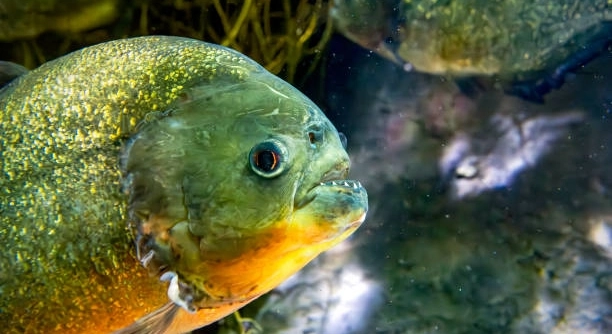
Do your piranhas start acting strange whenever one gets too close to the other, sparking sudden bursts of aggression in the tank?
Piranha disputes usually involve a pattern of specific behaviors, including chasing, tail-nipping, flaring fins, and mock charges. These actions are territorial signals meant to establish dominance, manage space, and resolve social hierarchies within the group without immediate escalation.
Understanding these common moves can help you create a safer environment and reduce stress in your piranha tank.
Chasing and Flaring: Establishing Territory
When piranhas feel crowded or threatened, they often respond with chasing and fin flaring. These behaviors are not random. They’re meant to establish personal space and remind others where they stand in the group. The dominant piranha typically initiates these actions, especially when new fish are added or when the environment changes. In tanks that are too small or have limited hiding spots, you might notice this behavior happening more often. It’s their way of sorting out boundaries without causing serious harm. While it may look aggressive, it’s usually part of their normal communication. To ease tensions, provide plenty of plants, caves, or decorations that offer cover and allow each fish to feel secure. This lowers the chances of fights and helps everyone settle down faster. Feeding them regularly and evenly also reduces the stress that sparks territorial disputes. When they each have a place to go, peace tends to follow.
These behaviors are usually brief and don’t lead to injuries, but they help reinforce social structure.
Once the dominant piranha feels secure in its place, the chasing slows down. But if the setup isn’t right, the tension sticks around and things can get worse. A balanced tank is key.
Nipping and Posturing: Warning Signs
Tail nipping is a clear sign that a piranha is trying to make a point. It’s often aimed at fish that cross invisible boundaries or try to challenge the group order. While nips rarely cause damage, repeated bites can lead to torn fins and stress.
Posturing is another move that happens during tense moments. You might notice a piranha lowering its body and locking into a frozen position, directly facing another fish. This isn’t just a stare-down—it’s a silent standoff. It lets the other fish know they’re not backing down. These moments are important because they signal rising tension without full-blown attacks. If ignored, they can lead to more serious clashes. That’s why it’s essential to watch for these cues and act early. Rearranging tank décor, adding visual breaks, and ensuring your fish aren’t overcrowded can shift the balance. A calm setup gives everyone the space they need to stay out of each other’s way.
Mouth Sparring and Circle Swimming
Mouth sparring is a more intense behavior that usually happens when two piranhas are evenly matched. They lock jaws and push each other, testing strength and dominance. It’s serious, but often ends before real harm is done.
Circle swimming often follows or replaces mouth sparring. When two piranhas start circling each other tightly, it’s a sign they’re not finished. This behavior is about sizing each other up. It doesn’t always lead to a fight, but it means things are still unsettled. If this keeps happening, it can wear down both fish and cause stress. The best thing you can do is break their line of sight. Add taller plants or decorations that give them a chance to move apart. Rearranging the tank can help reset the space. When each fish has a spot that feels safe, the pressure usually fades and disputes drop off.
Keep an eye out for this pattern if tensions keep resurfacing. Regular disruptions and spacing can ease the pressure.
Circle swimming isn’t just about dominance—it’s also about testing limits. One fish might be checking if the other is going to back down. This can last minutes or even stretch over multiple days. If you’re seeing this often, it’s a clear sign the tank dynamics need a change. Rearranging structures, adding extra cover, or slightly increasing tank size can help disrupt this pattern. Even small changes in water flow or lighting can shift behavior. You don’t want one fish stuck in a loop of defending its place all the time. That’s where stress, health issues, and real injuries start to creep in. Preventing fights is easier than dealing with the damage later.
Color Changes and Body Tilting
During disputes, piranhas may darken in color or develop blotchy patches. These changes often appear quickly and fade just as fast. It’s a stress reaction and also a visual warning to others not to push further.
Tilting their bodies at an angle can signal submission or rising tension. When combined with stillness or shaking, it means the fish is responding to a threat. This can stop a fight or trigger one, depending on how the other reacts.
Biting and Retreating
When things escalate past warnings, you might see fast bites followed by quick retreats. This behavior isn’t meant to cause serious harm but sends a clear message: back off. One piranha will dart in, nip, and then swim away rapidly. It’s their version of a sharp reminder. While these interactions are short, they’re important to monitor. If they happen too often, they can lead to fin damage and open wounds. Regular monitoring and quick adjustments to the tank setup can make a difference. Spacing, hiding spots, and lighting all help reduce repeat conflicts.
Lurking in Corners
A piranha hiding in a corner for long periods may be avoiding further conflict. It’s a sign of stress and possible submission. If left unchecked, this can affect feeding and overall health.
FAQ
Why do piranhas fight even when they have enough space?
Piranhas are naturally territorial, so even in larger tanks, disputes can happen. They use fighting behaviors to establish social ranking and defend their preferred spots. Space helps reduce fights, but it doesn’t eliminate the need for each fish to claim territory. Other factors like water conditions, feeding, and tank setup also play a role.
How can I tell if a piranha dispute is serious or just normal behavior?
Normal disputes usually involve short chases, flaring fins, or light nipping without injury. Serious fights lead to longer chasing, biting, visible wounds, or stressed behavior like hiding or color changes. Watch your fish closely—if injuries appear or one fish stays isolated, the conflict may need intervention.
What can I do to prevent fights in my piranha tank?
Start by providing enough space and hiding spots. Rearrange decorations regularly to break established territories. Keep feeding consistent so competition for food is low. Monitor water quality and avoid sudden changes, which can stress fish and trigger fights. If one fish is overly aggressive, consider separating it temporarily.
Is it normal for piranhas to show color changes during disputes?
Yes, color changes are a natural stress response and part of their communication. Darkening or blotchy patches warn others to back off or show submission. If color changes persist long after disputes, it might indicate ongoing stress or illness, so keep an eye on your fish’s health.
How do mouth sparring and circle swimming affect the group?
These behaviors help piranhas test each other’s strength without serious harm. They can last for minutes or days and help set the social order. However, if these patterns repeat often, they increase stress and reduce the overall well-being of the group. It’s important to create an environment that lowers these tensions.
Can I use tank decorations to reduce piranha disputes?
Absolutely. Decorations like plants, rocks, and caves create visual barriers and hiding places. This breaks lines of sight and gives fish personal space. Changing the tank layout regularly also prevents fish from claiming fixed territories, which helps reduce ongoing fights and stress.
What signs show a piranha is stressed from disputes?
Look for hiding in corners, color changes, loss of appetite, or lethargy. Erratic swimming or avoiding other fish also indicate stress. Prolonged stress affects health, so addressing tank conditions and reducing conflicts is key to keeping your piranhas healthy and active.
Should I separate aggressive piranhas?
If one fish consistently attacks others and causes injury, separating it temporarily can help calm the group. Use a divider or another tank to isolate the aggressive fish until tensions ease. This prevents serious harm and gives other fish a chance to recover.
How often should I monitor my piranha tank for disputes?
Daily checks are ideal, especially after adding new fish or changing the tank layout. Watch for early signs like chasing or fin flaring. Early intervention stops minor conflicts from becoming serious fights. Regular monitoring keeps your tank balanced and healthy.
Do feeding habits influence piranha disputes?
Yes, uneven feeding or competition for food can increase aggression. Feeding several small portions throughout the day helps keep peace. Make sure all fish get access to food, reducing stress and preventing fights that start over hunger.
Can water quality impact piranha behavior?
Poor water quality stresses piranhas, making them more prone to fighting. Keep ammonia, nitrite, and nitrate levels low, and perform regular water changes. Stable water conditions create a calm environment that lowers aggression and promotes healthy interactions.
What is the best tank size to reduce disputes?
A larger tank provides more space for territories and hiding spots. For a small group, at least 75 gallons is recommended, but bigger is always better. Overcrowding increases stress and fights, so plan your tank size based on how many fish you keep.
How do I handle injuries from piranha fights?
Minor injuries can heal on their own with good water quality and a stress-free environment. If wounds look deep or infected, treat the tank with appropriate medication. Quarantining injured fish might be necessary to help recovery and prevent spreading infections.
Can lighting affect piranha disputes?
Bright or sudden changes in lighting can stress piranhas and trigger aggression. Use dim or natural lighting and avoid sudden shifts. Providing shaded areas helps fish feel secure and lowers the chance of fights sparked by stress.
Do piranhas get along better when introduced at the same time?
Introducing several piranhas together reduces the chance of one fish dominating the group early on. If you add fish gradually, established residents may see newcomers as threats. Introducing them at once helps balance social order and reduce disputes.
Final Thoughts
Piranha disputes are a natural part of their behavior and social structure. These fish rely on different signals and actions to establish territory and hierarchy. Understanding their common moves, like mouth sparring, color changes, and biting, can help you recognize when disagreements are happening. Not all disputes lead to serious harm, but frequent or intense fights can cause stress and injuries. Keeping a close eye on your piranhas’ behavior is essential to maintaining a healthy environment where they feel safe and secure.
Creating the right tank setup plays a big role in managing disputes. Providing enough space, hiding spots, and varied decorations helps break lines of sight and gives each fish a place to retreat. Regularly changing the tank layout can also reduce the buildup of fixed territories and lower tension. Feeding your piranhas consistently and ensuring all fish get their share prevents conflicts over food. Good water quality and stable conditions reduce stress, which is a major factor in aggressive behavior. By focusing on these basics, you support a balanced tank where disputes are less likely to escalate.
When disputes do occur, it’s important to watch for signs of injury or prolonged stress. Temporary separation of aggressive fish may be necessary to prevent harm. Most minor conflicts resolve with time and proper care, but serious fights need attention to avoid lasting damage. Patience and observation go a long way when managing piranha behavior. With thoughtful tank management and an understanding of their natural moves during disputes, you can keep your piranhas healthy and create a peaceful environment for them to thrive.

Hello,
If you enjoy the content that we create, please consider saying a "Thank You!" by leaving a tip.
Every little bit helps us continue crafting quality advice that supports the health, happiness, and well-being of pets around the world, for pets of all shapes, sizes, and species.
We really appreciate the kindness and support that you show us!