
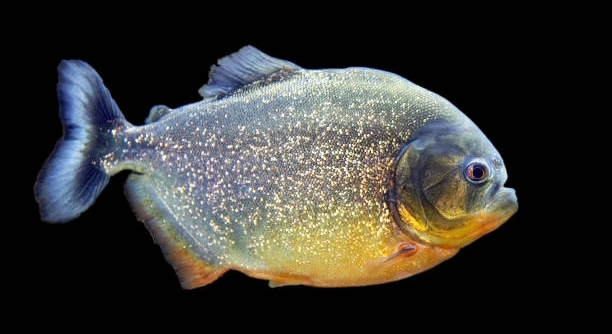
Many people keep piranhas as pets and want to create the best environment for them. Knowing how piranhas interact with their tanks helps owners provide comfort and proper care. Tank design plays a key role in their daily behavior.
Piranhas respond to several tank features including size, decoration, hiding spots, water flow, lighting, substrate, and filtration. These elements affect their stress levels, activity, and overall health, making tank design crucial for their well-being and interaction.
Understanding these tank features will improve your piranha’s environment and support their natural behaviors for a healthier life. This guide highlights important design aspects every owner should consider.
Tank Size and Space
The size of a tank is one of the most important factors when keeping piranhas. They need enough room to swim freely and establish territories. A small tank can cause stress and aggression, which leads to unhealthy behavior. Piranhas tend to grow larger than many expect, so planning for their adult size is key. It’s best to start with a tank that is at least 20 gallons for a small group. Bigger tanks provide better water quality and reduce fighting among the fish. Proper space also allows for natural movement and exploration, helping piranhas stay active and healthy. Avoid overcrowding by limiting the number of fish based on tank size. This helps maintain balance in the tank environment. Regular maintenance, like water changes, becomes easier with a larger tank. This, in turn, promotes longer life and better health for your piranhas.
Smaller tanks can lead to stress and increased aggression in piranhas. Larger tanks help reduce these issues and support healthier fish.
Tank size affects not only how your piranhas interact but also the water conditions inside. Larger tanks dilute waste better, keeping toxins low. This helps maintain stable water parameters, which piranhas need to thrive. A roomy tank also lets you add decorations and plants, creating a more natural environment. These features give fish places to hide and reduce stress. It’s easier to monitor your fish’s health in a larger, cleaner tank. When buying a tank, consider future growth and the number of fish you want. Adding too many piranhas into a small space can cause fights and injuries. Taking time to choose the right tank size will save problems down the line and keep your fish happier overall.
Decorations and Hiding Spots
Decorations and hiding spots are important for piranhas. They use these to feel safe and reduce stress. Without places to hide, piranhas may become nervous and more aggressive. Adding driftwood, rocks, or plants creates a natural look and provides shelter. These spots also allow the fish to rest and avoid constant exposure to light. Hiding places help mimic their natural environment, which improves their comfort level. It’s best to arrange decorations in a way that offers multiple hiding areas without cluttering the tank. This balance keeps the tank functional and visually pleasing. Changing decorations occasionally can keep the environment interesting for your fish and encourage natural behaviors.
Hiding spots reduce stress and aggression in piranhas, making their environment more comfortable and natural.
Well-placed decorations help piranhas establish territories and feel secure. This reduces fights and keeps the group calmer. Plants and driftwood also improve water quality by providing surfaces for beneficial bacteria. However, decorations must be safe and free from sharp edges that could harm the fish. Choosing materials that do not alter water chemistry is important, especially since piranhas prefer slightly acidic to neutral water. You can use smooth stones, fake plants, or real aquatic plants that tolerate their tank conditions. Creating a varied environment with open swimming space and hiding places supports their physical and mental health. It also gives you a chance to observe different behaviors like resting, exploring, or defending their spots. This setup makes for a more balanced and enjoyable aquarium experience.
Water Flow and Filtration
Piranhas prefer moderate water flow, similar to their natural river habitats. Too strong a current can stress them, while stagnant water lowers oxygen levels and quality. Proper filtration is necessary to keep the tank clean and healthy for these fish.
Maintaining good water quality is critical because piranhas produce a lot of waste. A reliable filter helps remove toxins and keeps the water clear. Filters with mechanical, chemical, and biological stages work best. They trap debris, neutralize harmful chemicals, and promote beneficial bacteria growth. This balance supports stable water conditions, preventing sudden changes in pH or ammonia levels. Regular filter cleaning ensures it operates effectively without disturbing the tank too much. Choosing the right size filter for your tank volume is important to avoid overworking or under-filtering the system.
Good water circulation also helps oxygenate the tank, which piranhas need to stay active. Using an adjustable filter outlet or adding an air stone can create gentle water movement. Monitoring water parameters like ammonia, nitrites, and nitrates is essential to catch problems early. Frequent water changes combined with filtration keep your piranhas healthy and comfortable. This system mimics their natural habitat and reduces disease risk.
Lighting and Substrate
Piranhas do best with moderate lighting that mimics natural daylight. Too bright lights can stress them, while too dim can affect their activity levels. A balanced lighting schedule helps regulate their behavior and sleep cycles.
Choosing the right substrate influences tank cleanliness and fish comfort. Sand or fine gravel works well because it’s gentle on piranhas’ bodies and easy to clean. A light-colored substrate reflects light and brightens the tank, while darker substrates reduce glare and make fish feel more secure. Substrate also provides a base for beneficial bacteria that help break down waste. Avoid sharp or rough materials that could injure your fish. Regular vacuuming of the substrate removes uneaten food and waste, keeping the environment healthy. Proper lighting and substrate together create a stable, natural habitat for your piranhas to thrive.
Lighting Effects on Piranhas
Lighting affects piranhas’ mood and activity. Bright, constant light can stress them out, making them hide more often. Soft, natural lighting helps keep their behavior calm and normal, encouraging natural activity during the day.
Adjusting light duration to about 8-10 hours daily mimics their natural environment. This schedule supports their sleep cycle and overall health. Avoid sudden changes in lighting to prevent stress.
Temperature Control and Stability
Keeping the tank temperature stable between 75°F and 80°F is important for piranhas. Sudden temperature shifts can cause stress and weaken their immune system. A reliable heater with a thermostat maintains consistent warmth, ensuring the fish stay healthy and active.
Tank Cover and Security
A secure tank cover prevents piranhas from jumping out and protects them from outside disturbances. It also helps maintain humidity and temperature inside the tank, creating a safer environment.
What size tank do piranhas need?
Piranhas need a tank that provides enough space for swimming and territory. A minimum of 20 gallons is recommended for a small group, but bigger tanks are always better. Larger tanks reduce aggression and allow for better water quality. Overcrowding causes stress and health problems, so it’s important to size the tank properly for the number and size of your fish.
How important is hiding space for piranhas?
Hiding spaces are very important. Piranhas use them to feel safe and reduce stress. Without enough places to hide, they may become aggressive or anxious. Decorations like driftwood, rocks, and plants provide shelter. Multiple hiding spots help break up territories and lower fights. They also mimic the piranhas’ natural habitat, making them more comfortable and less likely to act out.
What kind of filtration system should I use?
A good filtration system is essential because piranhas produce a lot of waste. Filters with mechanical, chemical, and biological stages work best. Mechanical filters remove debris, chemical filters take out harmful toxins, and biological filters encourage good bacteria that break down waste. Make sure the filter is strong enough for your tank size, but not too strong to create harsh water flow. Regular cleaning keeps the filter working well without disturbing the tank too much.
How often should I change the water?
Water changes should be done weekly or biweekly, depending on the tank size and number of piranhas. Changing 20-30% of the water regularly helps remove waste buildup and keeps water parameters stable. Use a water conditioner to treat tap water before adding it to the tank. Monitoring ammonia, nitrites, and nitrates can help you decide if more frequent changes are needed to keep fish healthy.
What temperature do piranhas prefer?
Piranhas thrive in temperatures between 75°F and 80°F. Keeping the temperature stable within this range is important because sudden changes can cause stress and illness. Use a reliable heater with a thermostat to maintain the right warmth. Avoid placing the tank near drafts or direct sunlight, which can cause temperature fluctuations.
Can piranhas live together peacefully?
Piranhas can live together, but their behavior depends on tank size, hiding spots, and how many fish are in the tank. Overcrowding often leads to aggression. Providing enough space and hiding places helps reduce fights. Keeping a proper number of fish based on tank volume is important for peace. Even then, occasional minor disputes may happen because of their territorial nature.
What substrate is best for piranha tanks?
Sand or fine gravel works best as substrate because it’s gentle on piranhas and easy to clean. Avoid sharp or rough substrates that can injure the fish. Light-colored substrate reflects light and brightens the tank, while darker substrate reduces glare and helps fish feel more secure. Regular vacuuming removes leftover food and waste, keeping the tank healthy.
How should lighting be set up for piranhas?
Moderate lighting that mimics natural daylight works best. Too bright or constant light stresses piranhas, causing them to hide. A daily light cycle of about 8-10 hours supports their activity and sleep patterns. Soft lighting reduces stress and promotes natural behavior. Avoid sudden changes in lighting to prevent unsettling your fish.
Are decorations necessary in a piranha tank?
Yes, decorations are necessary for both comfort and health. They provide hiding spots and break up territories, reducing aggression. Decorations like driftwood, rocks, and plants also improve water quality by hosting beneficial bacteria. They create a more natural and interesting environment for piranhas, encouraging natural behaviors like resting and exploring.
How can I prevent my piranhas from jumping out?
Using a secure tank cover is the best way to prevent jumping. Piranhas can leap if startled or if the tank conditions are uncomfortable. A tight-fitting lid keeps them safely inside, protects them from outside disturbances, and helps maintain stable humidity and temperature. Make sure the cover allows for proper ventilation to keep the air fresh inside the tank.
Creating the right environment for piranhas is key to keeping them healthy and happy. Every detail in the tank design matters, from the size and decorations to water quality and lighting. When piranhas have enough space to swim and places to hide, they feel safer and less stressed. This reduces aggression and encourages natural behavior. Paying attention to tank features helps the fish stay active and live longer. It also makes caring for them easier and more enjoyable for the owner.
Water flow and filtration are other important parts of the tank setup. Piranhas produce a lot of waste, so a good filter system is needed to keep the water clean. Clean water lowers the risk of disease and keeps fish comfortable. Proper water flow, not too strong or weak, also helps maintain oxygen levels. Temperature control matters too because piranhas prefer stable warm water. These conditions mimic their natural river environment and support their well-being. Regular water changes combined with filtration help keep the tank balanced and healthy.
Lighting and substrate complete the environment. Soft, natural light helps piranhas regulate their activity and rest properly. The right substrate protects their bodies and makes cleaning easier. Decorations and hiding spots reduce stress by giving the fish safe places to retreat. They also make the tank look better and create a more natural habitat. Overall, focusing on these tank design features improves the quality of life for piranhas. With careful setup and maintenance, piranha owners can enjoy watching these fascinating fish thrive in their home aquariums.

Hello,
If you enjoy the content that we create, please consider saying a "Thank You!" by leaving a tip.
Every little bit helps us continue crafting quality advice that supports the health, happiness, and well-being of pets around the world, for pets of all shapes, sizes, and species.
We really appreciate the kindness and support that you show us!