
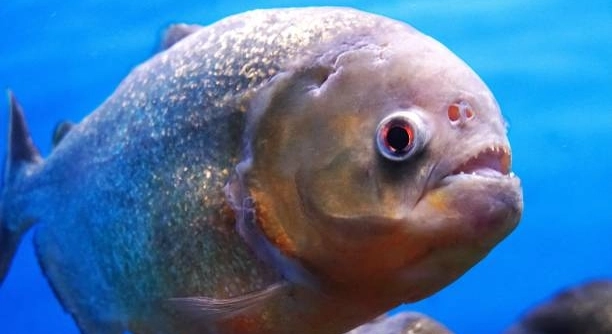
Many fish owners enjoy customizing their tanks to keep their pets happy. When it comes to piranhas, knowing if they like their new environment is important for their well-being. Observing their behavior can give helpful clues about their comfort.
Piranhas show signs of approval through increased activity, regular feeding habits, and calm interactions with their surroundings. These indicators suggest the fish have adjusted well and feel secure in the updated setup.
Recognizing these signs can help you maintain a healthy and pleasant environment for your piranha. This article will guide you through the key behaviors to watch for.
Increased Activity and Exploration
When a piranha feels comfortable in its new setup, it often becomes more active. You may notice it swimming around more frequently, exploring different corners of the tank. This is a good sign that it is curious and confident in its environment. Piranhas tend to be cautious creatures, so if yours is moving around without hesitation, it means the tank conditions are suitable. The fish may also interact more with decorations, plants, or hiding spots you added. This behavior shows that it’s adjusting well to the changes and not feeling stressed or threatened.
Active swimming usually occurs during feeding time, but when your piranha stays lively throughout the day, it’s a strong indicator of comfort.
Seeing your piranha explore the tank calmly means the setup is meeting its needs.
Recognizing this behavior early helps you maintain the right tank conditions. It encourages a healthier fish and prevents problems like hiding or lethargy that appear when they feel uneasy. Regular observation is key to keeping your piranha happy.
Regular Feeding Habits
A piranha that likes its new environment will show a consistent appetite. It should come to the surface or feeding area promptly when food is offered. This response indicates the fish feels secure and trusts the routine. Sometimes, after a setup change, piranhas may refuse food or eat less due to stress or discomfort. If your piranha quickly resumes normal eating habits, it suggests the tank changes are favorable.
Maintaining regular feeding is essential for growth and health. A stable environment helps the fish maintain energy and avoid illness.
Food intake is a straightforward way to gauge comfort and well-being in fish. You can also monitor weight and overall appearance to ensure they stay healthy. Changes in feeding can signal problems, so staying alert helps you respond quickly. Providing a balanced diet along with a welcoming environment ensures your piranha thrives in its updated home. Observing feeding behavior gives direct insight into how well your fish is adjusting to the new setup.
Calm Behavior and Reduced Aggression
Calm behavior is a strong sign your piranha likes the new setup. When it is less aggressive toward tank mates or reflections, it feels more secure and less stressed.
Piranhas are naturally territorial, but in a good environment, their aggression can tone down. If you notice your fish no longer flaring its fins or chasing other fish, it means the space is comfortable and meets its needs. Reduced aggression can also indicate the tank offers enough hiding spots and proper territory boundaries, which lowers stress levels. This change benefits both the piranha and other inhabitants, creating a peaceful tank atmosphere.
Stress from poor conditions often leads to constant fighting or defensive behavior. When your piranha is relaxed and calm, it signals successful adaptation to the new environment. This makes care easier and improves overall fish health.
Consistent Use of Hiding Spots
Using hiding spots regularly shows your piranha feels safe in its new environment. The fish will retreat when resting or avoiding light and activity, showing comfort with the setup.
Hiding places are crucial for piranhas to feel secure. If your piranha uses these areas consistently, it indicates trust in the environment. When they explore freely but return to hide when needed, it reflects a healthy balance of curiosity and security. Properly placed decorations, caves, or plants help encourage this behavior.
If the fish avoids hiding spots or hides constantly, it may be stressed or uncomfortable. Watching how your piranha uses these areas offers insight into its mental and physical well-being. This behavior helps reduce stress and supports natural instincts, promoting a stable and thriving tank environment.
Bright and Healthy Appearance
A piranha that likes its new setup usually shows a bright, healthy appearance. Its colors become more vivid, and its fins look intact and strong.
When fish feel comfortable and stress-free, their scales shine and their movements are smooth. Dull colors or torn fins often indicate discomfort or poor water conditions. A healthy-looking piranha reflects proper care and a suitable environment.
Smooth Breathing and Normal Movement
If your piranha breathes smoothly and moves naturally, it means the water quality and tank setup suit its needs. Rapid gill movement or erratic swimming may signal stress or poor conditions.
Healthy breathing patterns and steady movement are signs of good oxygen levels and stable tank parameters. These are crucial for the fish’s comfort and survival.
Interaction with Surroundings
Your piranha will show interest in new decorations or plants if it feels good about the setup. It might swim around objects or rest nearby, indicating comfort.
This behavior reflects curiosity and acceptance of the environment. A piranha that ignores its surroundings may feel uneasy or stressed.
Steady Growth
A piranha that adapts well to its new home tends to grow steadily. Growth reflects good nutrition and a stress-free environment.
FAQ
How long does it take for a piranha to adjust to a new setup?
Piranhas usually take a few days to a couple of weeks to fully adjust. The time depends on the size of the tank, water quality, and how different the new setup is from the old one. If the environment is stable and meets their needs, they tend to adapt faster.
What should I do if my piranha shows signs of stress after a tank change?
If you notice stress signs like hiding constantly, refusing food, or aggressive behavior, first check water parameters—temperature, pH, and ammonia levels. Make sure the tank has enough hiding spots and that the lighting isn’t too harsh. Sometimes, a gentle water change and reducing disturbances help calm your piranha.
Can piranhas live with other fish in a new setup?
Piranhas can be aggressive, so it depends on the species and tank size. If the setup is large with plenty of hiding places, some fish might coexist peacefully. However, keep an eye on behavior, as piranhas may attack smaller or slower fish. Choosing tank mates carefully is key to reducing conflicts.
How often should I feed my piranha in a new environment?
Feed your piranha once or twice a day with balanced portions. Overfeeding can cause water problems and stress. Watch if your piranha eats all the food; leftover food should be removed. Feeding routines help your fish feel secure and comfortable.
What types of decorations are best for a piranha’s new setup?
Decorations that provide hiding places, such as caves, driftwood, and dense plants, are best. These help reduce stress by offering shelter. Avoid sharp or rough objects that could injure your piranha. Natural-looking decor also encourages exploration and helps the fish feel at home.
Is it normal for a piranha to hide a lot after moving to a new tank?
Yes, hiding is a normal response when adjusting. It’s a way for the piranha to feel safe while getting used to the surroundings. If hiding decreases over time and the fish becomes more active, it means the adjustment is going well. Constant hiding beyond a few weeks may need attention.
How can I tell if the water quality is affecting my piranha’s comfort?
Signs like sluggish movement, faded color, or labored breathing can indicate poor water quality. Test the water regularly for ammonia, nitrite, nitrate, and pH levels. Keeping these stable within recommended ranges ensures your piranha’s comfort and health.
What temperature is best for a piranha’s new setup?
The ideal temperature range is between 75°F and 82°F (24°C to 28°C). Maintaining this range helps reduce stress and keeps the fish active. Sudden changes in temperature should be avoided, as they can cause discomfort or illness.
Should I rearrange the tank decorations after the piranha settles in?
It’s best to avoid major changes once your piranha feels comfortable. Rearranging can cause stress and confusion. If changes are necessary, do them gradually and monitor the fish’s behavior closely. Stability helps maintain a calm environment.
What are common signs that my piranha does not like its setup?
Signs include constant hiding, refusal to eat, aggressive behavior, faded colors, and erratic swimming. These suggest stress or discomfort. If you see these, check water quality, tank size, and decoration placement to improve the environment quickly.
Final Thoughts
Creating a comfortable environment for your piranha is important to keep it healthy and happy. Watching how your fish behaves after a new setup can tell you a lot about how well it is adjusting. Signs like increased activity, calm behavior, regular feeding, and healthy appearance all point to a good fit between your piranha and its tank. Paying attention to these details helps you make sure the tank meets your fish’s needs.
When you make changes to the tank, such as adding new decorations or rearranging the space, it is normal for your piranha to take some time to get used to it. Some hiding and cautious behavior at first is expected. Over time, the fish should become more active and show comfort by swimming confidently and interacting with its surroundings. If the piranha seems stressed for too long, it may be a sign to check water quality or make adjustments in the tank. Regular monitoring and care go a long way in supporting your fish’s well-being.
Every piranha is different, and some may take longer to settle into a new environment than others. Patience is key. Providing clean water, proper temperature, a balanced diet, and enough space will help your piranha feel secure. Keep observing its behavior, and make changes gradually if needed. This approach will help your piranha live a healthier and more comfortable life in its new home.

Hello,
If you enjoy the content that we create, please consider saying a "Thank You!" by leaving a tip.
Every little bit helps us continue crafting quality advice that supports the health, happiness, and well-being of pets around the world, for pets of all shapes, sizes, and species.
We really appreciate the kindness and support that you show us!