
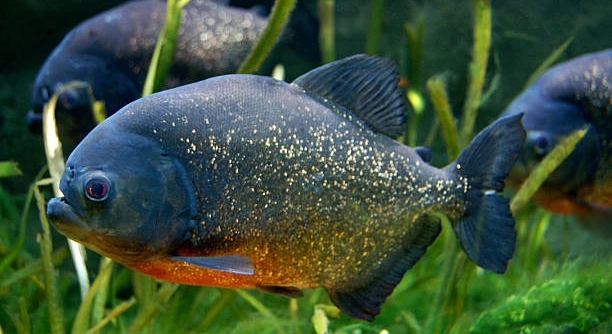
Piranhas are often known for their sharp teeth and fierce reputation. Each species, however, has distinct traits that set it apart from others. These unique characteristics help them adapt and survive in various freshwater environments.
Piranhas exhibit seven key traits that make each species unique, including differences in size, jaw structure, tooth shape, feeding behavior, habitat preference, social behavior, and coloration. These factors contribute to their ecological roles and evolutionary adaptations.
Learning about these traits provides insight into the diversity within the piranha family. Understanding their differences helps appreciate their role in aquatic ecosystems and their survival strategies.
Size and Jaw Structure
Piranhas vary greatly in size, with some species growing up to 12 inches long while others remain much smaller. The size often determines their role in the food chain and their hunting tactics. Larger piranhas have stronger jaws, which allow them to bite through tougher prey. Jaw structure also differs between species, affecting how they capture and process food. Some have wider jaws to grasp bigger prey, while others have narrower jaws designed for precision biting. These physical differences are important for survival in their specific habitats, whether in slow-moving rivers or fast-flowing streams.
Jaw strength is crucial for feeding efficiency and protection. Stronger jaws allow piranhas to defend themselves against predators and compete with other fish for food.
Understanding size and jaw structure helps explain how piranhas adapt to their environments. These traits shape their behavior and influence their interactions with other species in their habitat.
Tooth Shape and Feeding Behavior
Tooth shape in piranhas varies from sharp, pointed teeth to more blunt, molar-like teeth. This variation relates directly to diet and feeding habits. Sharp teeth help tear flesh quickly, while blunt teeth are better for crushing shells or plant material.
Feeding behavior differs among species. Some piranhas hunt in groups, coordinating attacks to overwhelm prey. Others feed alone or scavenge on dead animals. These differences in tooth shape and feeding style reduce competition between species living in the same area, allowing them to coexist peacefully. Their ability to adapt feeding strategies to available resources is key to their survival in diverse aquatic environments.
Habitat Preference
Piranhas inhabit a variety of freshwater environments, including rivers, lakes, and floodplains. Each species prefers certain conditions like water flow, temperature, and vegetation density.
Some species thrive in slow-moving waters with dense plant life, which offers shelter and hunting grounds. Others prefer faster rivers where the current influences their swimming and feeding patterns. Water temperature also plays a role, as certain piranhas are adapted to warmer or cooler climates. These habitat preferences affect their distribution and survival strategies. Understanding where each species lives helps explain differences in behavior and physical traits across the piranha family.
Their habitat choices shape how they interact with other species and cope with environmental changes, making these preferences critical for their ecological roles.
Social Behavior and Coloration
Piranhas exhibit different social behaviors, from solitary to highly social species that form large schools. Schooling offers protection from predators and improves hunting success. Social structure varies, with some species maintaining strict hierarchies while others show more fluid group dynamics.
Coloration in piranhas ranges from dull grey to bright red and orange patterns. These colors serve several purposes, including camouflage, communication, and mating displays. Bright colors can signal health and fitness to potential mates or warn rivals. Color patterns also help species recognition within mixed communities, reducing conflicts and supporting social cohesion. The combination of social behavior and coloration directly influences survival and reproduction in various environments.
Reproduction and Lifespan
Piranhas reproduce by laying eggs, often in nests built among vegetation. The number of eggs and breeding season vary between species.
Lifespan also differs, with some species living only a few years, while others can survive over a decade in the wild.
Adaptations for Survival
Piranhas have sharp teeth and strong jaws that help them catch and process prey efficiently. Their senses, such as smell and vision, are well-developed to detect food and threats. These adaptations improve their chances of surviving in competitive environments.
Ecological Impact
Piranhas play an important role in controlling fish populations and cleaning up dead animals in their habitat.
What do piranhas eat?
Piranhas have a varied diet depending on their species. Most commonly, they eat smaller fish, insects, and crustaceans. Some species also consume plants and fruit. Their sharp teeth and powerful jaws allow them to tear flesh quickly. In some cases, they scavenge on dead animals, helping clean their environment. Feeding habits may change with availability of food, showing adaptability.
Are piranhas dangerous to humans?
Piranhas generally avoid humans and attacks are rare. Most species are timid and prefer to flee rather than fight. However, during breeding season or when food is scarce, piranhas can become more aggressive. In waters where they are common, it is wise to be cautious. Serious injuries are unusual and typically involve minor bites rather than life-threatening attacks.
How fast can piranhas swim?
Piranhas are good swimmers but not the fastest fish in their habitat. They rely on short bursts of speed to capture prey or escape predators. Their streamlined bodies and strong tail fins help them maneuver quickly in water, especially in fast-flowing rivers or densely vegetated areas. Their speed is enough for hunting small fish and evading threats.
Do all piranhas school?
Not all piranha species school. Some prefer to live alone or in small groups. Schooling behavior depends on the species and environmental factors. Those that form schools do so for protection and to increase hunting efficiency. School size can vary from just a few fish to large groups numbering in the hundreds, which helps reduce individual risk.
How long do piranhas live?
The lifespan of piranhas varies widely. In the wild, smaller species may live around 3 to 5 years, while larger species can live up to 10 or more years. Factors affecting lifespan include habitat quality, availability of food, and presence of predators. In captivity, with proper care, piranhas may live longer due to stable conditions and fewer threats.
Can piranhas be kept as pets?
Yes, some species of piranhas are kept in aquariums, but they require specific care. They need large tanks with clean, well-oxygenated water and places to hide. Their diet should mimic natural food, including fish and occasional plant matter. Due to their aggressive nature, piranhas should be kept alone or with compatible species to prevent injury.
Why do piranhas have sharp teeth?
Piranhas’ sharp teeth are essential tools for survival. They allow the fish to grasp and tear apart prey efficiently. The teeth are tightly packed and continuously replaced throughout their lives, maintaining their biting strength. This dental adaptation helps them feed on a wide range of animals and defend themselves from predators.
Do piranhas migrate?
Some piranha species undertake seasonal migrations to find food or suitable breeding sites. These movements depend on water levels and temperature changes in their environment. Migration allows piranhas to access different habitats and resources, supporting their survival during dry or rainy seasons.
How do piranhas communicate?
Piranhas use sounds and body movements to communicate, especially during social interactions like schooling or mating. They can produce clicking or grunting noises by grinding their teeth or vibrating muscles. These signals help establish dominance, warn of danger, or attract mates. Communication varies by species and situation.
Are piranhas endangered?
Most piranha species are not currently endangered and have stable populations. However, habitat destruction, pollution, and overfishing pose threats to some local populations. Conservation efforts focus on protecting freshwater ecosystems to ensure piranhas and other aquatic animals continue to thrive.
The traits that make each piranha unique highlight the diversity within this fascinating group of fish. From size and jaw structure to tooth shape and social behavior, every species has developed specific characteristics that help it survive and thrive in its environment. These differences are not just physical but also behavioral, influencing how they feed, reproduce, and interact with others. Understanding these traits provides a clearer picture of the piranha’s role in freshwater ecosystems and their importance in maintaining ecological balance.
Each piranha species adapts to its habitat with specific preferences for water type, temperature, and shelter. Their social habits and coloration further contribute to their survival by aiding in protection and communication. These adaptations are a result of years of evolution, allowing piranhas to occupy different niches within their habitats. Despite their reputation, piranhas play an important role as predators and scavengers, helping control populations of other fish and keeping waterways clean. Recognizing the value of these traits encourages a more balanced view of piranhas beyond common myths.
In conclusion, the unique characteristics of piranhas reflect their ability to adjust to various environmental conditions. These traits help them compete for resources and avoid threats in diverse freshwater habitats. Learning about piranhas in detail reveals their complexity and importance within aquatic systems. This knowledge can foster greater appreciation and respect for these often misunderstood fish, supporting efforts to protect their natural environments for the future.

Hello,
If you enjoy the content that we create, please consider saying a "Thank You!" by leaving a tip.
Every little bit helps us continue crafting quality advice that supports the health, happiness, and well-being of pets around the world, for pets of all shapes, sizes, and species.
We really appreciate the kindness and support that you show us!