
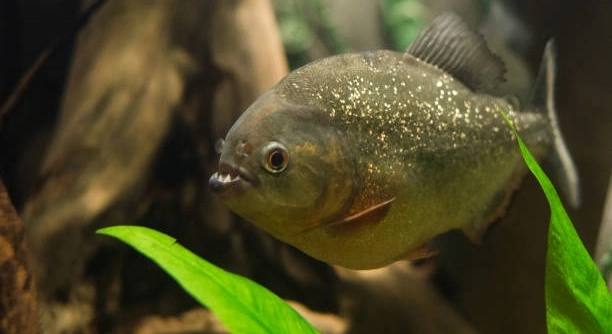
Do you ever find yourself amazed by how nature’s smallest creatures can teach us the biggest life lessons? Piranhas, often misunderstood, hold powerful insights about behavior that go beyond their sharp teeth and quick movements.
Piranhas teach us about territory through clear boundaries, collective defense, and strong social signals. These behaviors help them protect resources and avoid unnecessary conflict. Studying these patterns can reveal surprising parallels in how humans handle personal space and community.
These lessons can offer fresh insights for anyone interested in group dynamics, personal boundaries, or animal behavior. Their natural instincts reveal more than just survival—they tell a story of structure and strategy.
Lesson 1: Piranhas Respect Boundaries
In the wild, piranhas keep tight control over their space. Each group sticks to a specific area in rivers or lakes, rarely crossing into another group’s zone. This isn’t random—it helps avoid fights and protects food sources. When one group knows where the other begins and ends, they’re less likely to clash. These fish aren’t chaotic like movies often show. They rely on balance. Their survival depends on this order. Observing them shows how important boundaries are. It’s not about being aggressive—it’s about keeping peace in a place where resources are limited. Humans can relate. We all have mental and physical boundaries, even if we don’t always notice them. Respecting these invisible lines—at work, in relationships, or at home—helps us feel safe and understood.
By observing piranhas, we can learn how setting clear space limits helps avoid unnecessary stress and misunderstandings in shared environments.
This kind of natural spacing is a simple way to reduce tension. In groups, it also makes roles clearer. Everyone knows where they stand. That kind of clarity makes communication easier. It keeps interactions smooth and lowers the chance of conflict. When a space feels respected, people—or animals—tend to feel more secure and act with more cooperation.
Lesson 2: Territory is a Shared Responsibility
Piranhas don’t guard their area alone. In a group, everyone plays a part in keeping their space safe. It’s not just one strong fish protecting the rest. The group moves together, reacts together, and defends together.
In nature, a piranha school acts as one unit when something feels off. If a threat appears, they don’t wait for a leader—they all respond at once. This kind of teamwork is key to their safety. Each fish is alert and ready to move for the good of the group. There’s a lot we can take from that. At home or work, it’s easy to assume someone else will speak up or protect shared space. But when everyone pitches in, the group stays stronger and more stable. People feel more supported. Taking part in shared responsibilities—like setting limits, noticing issues early, and communicating openly—keeps the whole space running better. It’s not about control. It’s about everyone feeling like they belong and matter. When that happens, territory stops being just a boundary. It becomes a place of trust.
Lesson 3: Warnings Come Before Action
Piranhas don’t start with a bite. They give signals first. Body language changes, movements become sharper, and they might make sounds to warn others to back off. It’s not random—it’s communication.
These signals help avoid real fights. When another animal or even a group member gets too close, a warning is sent. If it’s ignored, then action follows. But most of the time, the message works. There’s no need to cause harm when a quick warning can fix things. It’s efficient. In human spaces, this is similar to setting boundaries with words or changes in tone. You might raise your voice slightly, pause, or step back. These cues tell others you’re uncomfortable. We often overlook how effective those small actions are. Recognizing and respecting them early helps stop things from escalating. Piranhas remind us that communication often starts before words—if you know how to read it.
Understanding these non-verbal cues builds awareness. Whether you’re with coworkers, family, or strangers, there are early signs of tension. If people recognize these signs, they can shift their behavior, talk it out, or step away. That small moment can protect relationships. It shows that you notice, you care, and you’re tuned in. That’s a valuable habit in any shared space.
Lesson 4: Size Doesn’t Equal Strength
Piranhas aren’t large, but together, they manage to hold their ground. They’re proof that strength doesn’t always come from size—it comes from coordination, timing, and unity.
One fish on its own isn’t as effective, but when they work as a group, they become harder to ignore. They confuse threats with swift, synchronized motion. This shows how smaller forces can still have major impact. In daily life, people often feel overlooked or powerless. But just like piranhas, even small efforts count more when joined with others. Whether it’s speaking up about a problem or defending your space, collective effort creates noticeable change. The lesson isn’t about being loud or aggressive—it’s about being organized, prepared, and consistent. Piranhas show that strength often hides in the way you act, not how much space you take up. That’s a reminder that anyone can stand firm, even without being the biggest one in the room.
Lesson 5: Patterns Build Stability
Piranhas move in patterns that keep their group safe. These repeated behaviors help them stay organized and alert. It’s not about following rules—it’s about creating order in a space they all share.
When their routine changes suddenly, it usually means something’s wrong. That awareness helps them react fast and stay protected.
Lesson 6: Space Needs Maintenance
Piranhas don’t just defend territory—they manage it. They stay alert to shifts in their environment and adjust quickly. If food becomes scarce or the water changes, they shift their location slightly but still protect the core area. This balance keeps their group functioning. In human terms, this means your personal space, routines, or boundaries also need upkeep. If something feels off, it helps to take a step back and assess what needs to change. Territory isn’t fixed—it’s flexible but guarded. Piranhas show that it’s okay to adjust while still standing firm. Maintenance is part of long-term safety, not a sign of weakness.
Lesson 7: Silence Can Speak
Sometimes, piranhas go quiet when they sense tension. They pause movement, lower activity, and stay close. This silence isn’t fear—it’s strategy. It gives them time to observe before making a move.
FAQ
How do piranhas establish their territory?
Piranhas mark their territory mainly by swimming in specific areas and staying in groups. They use movement patterns and body language to show others that a space is taken. If another fish or animal approaches too closely, they give warning signals like quick darting or changes in posture. These behaviors tell others to keep their distance without starting a fight. Territory is mostly about clear boundaries that both sides respect, which helps avoid unnecessary conflicts in crowded environments like rivers and lakes.
Why do piranhas stay in groups when defending territory?
Piranhas rely on strength in numbers. Alone, a piranha is vulnerable, but together, they form a coordinated unit. When a threat appears, the group moves fast and in sync to protect their space. This teamwork confuses predators and shows a stronger defense. It’s not just about fighting—being together helps them warn each other early and respond quickly. This group defense also helps maintain their territory over time and keeps their food source safe.
Do piranhas always attack intruders?
No, piranhas don’t immediately attack intruders. They give warnings first through body language and small movements. Biting or fighting is usually a last resort when warnings are ignored. Most interactions end before any real harm happens. This approach saves energy and avoids injury. Piranhas prefer to keep peace by signaling boundaries clearly rather than starting fights every time.
Can humans learn from how piranhas handle territory?
Yes, piranhas teach us about clear boundaries, teamwork, and communication. Like them, people do better when they respect space, share responsibilities, and use early warnings to avoid conflict. Their behavior reminds us that strength comes from cooperation and understanding, not just size or aggression. Being aware of non-verbal cues and respecting others’ limits can improve relationships and group harmony.
What happens if a piranha group loses its territory?
Losing territory means less food and less safety. Piranhas may move to a new area, but it’s risky. They have to find a new spot that isn’t already claimed by another group. This can cause more fights and stress. Staying in a stable territory is important for their survival, so they work hard to defend it and keep it in good condition.
How do piranhas communicate warnings without making noise?
Piranhas use body movements, posture changes, and quick swimming patterns as silent warnings. These non-verbal signals are enough to let others know when they are too close or crossing a boundary. This silent communication is efficient because it alerts others without drawing unwanted attention from predators.
Are all piranha species territorial?
Most piranha species show territorial behavior, especially when it comes to feeding and breeding areas. However, the size of their territory and how aggressively they defend it can vary. Some species are more social and tolerate others nearby, while some are stricter about space. Territorial behavior depends on the environment and available resources.
Do piranhas ever cooperate with other species to protect territory?
Generally, piranhas protect their own group rather than cooperating with other species. They focus on defending their shared space and resources from outsiders, including different fish or animals. Cooperation usually happens within their own group, which helps them stay stronger and safer.
How does the environment affect piranha territorial behavior?
Changes in water level, food availability, and presence of predators can all affect how piranhas guard their territory. When resources are scarce, they may become more aggressive or expand their territory. If the environment is stable and food is plenty, their defense is less intense. This flexibility helps them survive in changing conditions.
Can piranhas teach us about personal boundaries in daily life?
Yes, piranhas show the value of clear boundaries and respectful communication. They warn before acting and rely on group support. In everyday life, setting limits early and respecting others’ space can prevent conflicts. Their natural behaviors remind us that boundaries aren’t barriers but ways to keep balance and peace.
The lessons piranhas teach about territory show us that clear boundaries and communication are important in many areas of life. These fish don’t just defend space by fighting; they use signals and teamwork to keep their area safe. They show that respecting limits helps avoid conflict. When everyone knows their place, whether in nature or in daily life, things run more smoothly. This idea can apply to how we interact with others, whether at home, work, or in social groups. Boundaries create order and safety for everyone involved.
Piranhas also remind us that strength is not about size or force alone. Their power comes from working together and acting as a group. This collective effort protects the territory better than any one fish could on its own. In human situations, this is a useful lesson. Cooperation and shared responsibility often lead to better results than trying to handle everything alone. Being part of a team and respecting each other’s roles can make a big difference. It also teaches us to pay attention to early warnings or signals before problems grow bigger.
Finally, the way piranhas manage and maintain their territory shows that boundaries are not fixed. They can change and adjust when needed, but still remain protected. This flexibility is important for long-term stability. People can take this as a reminder to check in with their own boundaries regularly. It’s okay to adjust limits when situations change, as long as respect is kept. Piranhas teach us that clear, respectful, and flexible boundaries help maintain balance and peace in any shared space. These natural lessons offer simple but valuable ideas for how to handle territory, both in nature and in our everyday lives.

Hello,
If you enjoy the content that we create, please consider saying a "Thank You!" by leaving a tip.
Every little bit helps us continue crafting quality advice that supports the health, happiness, and well-being of pets around the world, for pets of all shapes, sizes, and species.
We really appreciate the kindness and support that you show us!