
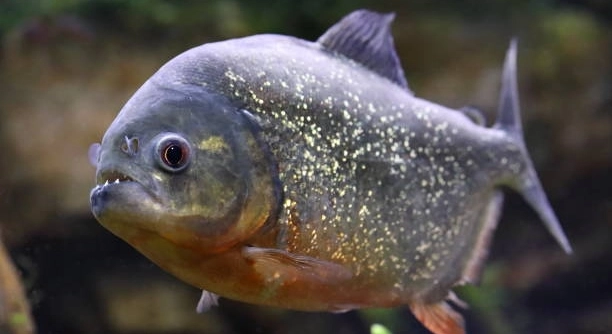
Keeping a solo piranha as a pet requires attention to its unique needs. These fish are known for their sharp teeth and active nature. Ensuring their environment is suitable can greatly affect their behavior and well-being.
The key to maintaining content solo piranhas lies in proper tank size, water quality, diet, and environmental enrichment. Regular monitoring and maintaining stable conditions reduce stress, promoting healthier and more peaceful behavior in these typically aggressive fish.
Understanding these basic needs will help you create a comfortable habitat for your piranha. This guide reveals practical tips that support their health and keep them calm in solitude.
Proper Tank Size and Setup
A solo piranha needs plenty of space to thrive. A tank of at least 40 gallons is recommended for one adult piranha. This size allows enough room for swimming and reduces stress caused by confinement. The tank should have a secure lid because piranhas can jump. Adding plants, rocks, and hiding spots helps mimic their natural environment and provides places to retreat when they feel threatened. It also encourages natural behavior, making the fish feel more at ease. Keeping the setup simple but enriched is essential for maintaining a healthy piranha.
A spacious tank with proper decor helps piranhas feel secure and less aggressive.
Maintaining the right environment means balancing space and comfort. Overcrowding can increase stress and aggression, even if the fish is alone. A well-decorated tank with adequate swimming space reduces boredom and promotes physical health. Using a substrate like gravel or sand keeps the tank natural. Plants, either live or artificial, give cover and improve water quality. Providing varied hiding places ensures the fish can choose its preferred spot. Regular cleaning and monitoring water parameters keep the environment stable, which is vital for the piranha’s well-being.
Water Quality Management
Water quality directly impacts piranha health. Poor water conditions can cause illness and stress.
Keeping water clean and stable is critical for a content piranha.
Consistent water testing and maintenance are necessary to prevent harmful buildup of ammonia, nitrites, and nitrates. Regular partial water changes, around 20-30% weekly, keep toxin levels low. Maintaining temperature between 75-80°F and a pH of 6.5 to 7.5 mimics their natural habitat. Using a reliable filtration system helps maintain clarity and quality. Avoid sudden changes in water parameters as piranhas are sensitive to fluctuations. Monitoring these factors prevents disease and supports natural behaviors, leading to a more relaxed fish.
Feeding and Nutrition
Feeding a piranha a varied diet supports its health and reduces aggression. Piranhas are omnivores but prefer protein-rich foods. High-quality pellets, frozen or live foods such as fish, shrimp, and insects provide necessary nutrients. Avoid overfeeding as it can pollute the tank and cause health issues. Feeding smaller portions two to three times daily encourages natural hunting behavior and keeps the fish active. Including occasional vegetables like spinach or peas can add fiber. Observing how your piranha responds to different foods helps tailor a proper diet for its needs.
Environmental Enrichment
Adding environmental enrichment improves piranha well-being by reducing boredom. Objects like floating logs, leaf litter, and caves mimic their natural surroundings and offer stimulation. This encourages exploration and natural instincts, preventing lethargy. Rotate decorations periodically to keep the environment interesting. Avoid overcrowding the tank with objects; balance is important. Enrichment also helps reduce aggressive tendencies by providing mental and physical engagement.
Regularly changing enrichment items encourages activity and curiosity.
Creating a stimulating environment fosters healthier behavior and a calmer fish.
Stress Reduction Techniques
Reducing stress is essential to keep a solo piranha calm. Stress can cause health problems and aggressive behavior.
Minimizing sudden movements and loud noises around the tank helps reduce stress. Avoid tapping on the glass or frequent disruptions, as piranhas can become startled easily. Maintaining a consistent light cycle supports their natural rhythm. Using dim lighting or floating plants can soften bright lights, creating a more comfortable atmosphere. A quiet environment reduces anxiety and helps the fish feel safe. These simple adjustments contribute to a healthier, more content piranha.
Providing a stable and calm environment helps prevent unnecessary stress. When stress is low, the piranha displays natural behavior and stays healthier longer. Stress can weaken the immune system, so minimizing triggers is vital for long-term care. Regular monitoring of behavior helps catch early signs of stress, allowing timely adjustments. Keeping the habitat predictable promotes confidence in the fish’s surroundings, leading to less aggression and more peaceful periods.
Regular Health Monitoring
Regularly observing your piranha’s health is crucial. Look for changes in appearance, behavior, and appetite.
Routine checks can detect illness early, improving treatment outcomes. Watch for signs such as faded colors, unusual swimming patterns, or lack of appetite. Inspect the fins and body for injuries or infections. Monitoring water parameters complements health checks, as poor water quality often causes issues. Keeping a health log helps track patterns and identify problems quickly. Early intervention reduces the risk of serious illness and supports overall well-being.
Promptly addressing health concerns avoids long-term complications. Understanding typical behavior helps distinguish between minor and serious problems. Consistent care builds trust and comfort in the fish, making health maintenance easier. Keeping emergency supplies like medication and water testing kits on hand prepares for sudden issues. Regular interaction, even from a distance, helps you stay familiar with your piranha’s normal state, enabling better care.
Temperature Control
Maintaining a stable temperature between 75 and 80°F is crucial for your piranha’s health. Fluctuations can stress the fish and weaken its immune system.
Using a reliable heater with a thermostat ensures consistent warmth. Monitor the temperature regularly to avoid sudden drops or spikes.
Tank Cleaning Routine
Regular cleaning prevents harmful buildup of waste and toxins. Partial water changes and substrate vacuuming keep the environment healthy. A clean tank supports better water quality, reducing disease risk and stress for the piranha.
Choosing the Right Lighting
Lighting should mimic natural day and night cycles. Avoid overly bright lights, which can cause stress. Using dim or adjustable lighting helps maintain a comfortable atmosphere.
Providing Proper Oxygenation
Adequate oxygen levels are necessary for your piranha’s well-being. Using an air pump or efficient filtration system ensures the water remains well-oxygenated and supports healthy respiration.
How often should I feed my solo piranha?
Feeding your solo piranha two to three times daily is ideal. Smaller portions help prevent overfeeding, which can lead to water pollution and health problems. Watch how your fish responds and adjust portions to avoid leftovers. Maintaining a balanced diet with protein-rich foods supports overall health.
What is the best diet for a solo piranha?
A varied diet including high-quality pellets, frozen or live fish, shrimp, and insects works well. Occasionally offering vegetables like spinach or peas adds fiber. Avoid feeding exclusively live feeder fish to reduce disease risks. Balanced nutrition helps keep your piranha active and reduces aggression.
Can solo piranhas live with other fish?
Generally, solo piranhas are territorial and aggressive, so tank mates are not recommended. They may attack other fish, leading to injury or death. If housing multiple piranhas, a very large tank with plenty of hiding spaces is necessary, but even then, aggression remains a concern.
How often should I change the water?
Partial water changes of 20-30% weekly keep toxin levels low and water parameters stable. Consistent water maintenance prevents buildup of ammonia, nitrites, and nitrates, which can harm your piranha. Skipping water changes increases stress and disease risk.
What temperature is best for a piranha tank?
Maintain water temperature between 75°F and 80°F to mimic the piranha’s natural habitat. Using a reliable heater with a thermostat helps keep the temperature steady. Avoid rapid temperature changes, which can stress your fish and weaken its immune system.
How do I reduce aggression in my solo piranha?
Providing a spacious tank with plenty of hiding spots helps reduce territorial behavior. Environmental enrichment like plants and decorations encourages natural behaviors and distracts from aggression. Minimizing stress by keeping a stable environment also lowers aggressive tendencies.
What signs indicate my piranha is stressed or sick?
Look for faded colors, erratic swimming, loss of appetite, or hiding more than usual. Clamped fins, injuries, or white spots on the body also signal health issues. Early detection through regular observation allows timely treatment, improving recovery chances.
Is a filtration system necessary for a solo piranha tank?
Yes, a strong filtration system is essential to maintain water quality. It helps remove waste and toxins, ensuring the environment stays clean and oxygenated. Good filtration reduces stress and supports overall health.
Can I use live plants in my piranha tank?
Live plants can be used but choose hardy species since piranhas may uproot or damage delicate plants. Plants provide hiding spots and improve water quality by absorbing nitrates. Artificial plants are an alternative if live plants prove difficult to maintain.
What type of substrate is best for a piranha tank?
A sandy or fine gravel substrate is recommended. It mimics their natural environment and is easy to clean. Avoid sharp substrates that could injure your fish. Substrate also supports beneficial bacteria that help with biological filtration.
How do I know if my piranha is happy?
A healthy piranha will be active, swim regularly, eat well, and display natural behaviors like exploring and resting in hiding spots. Calm and steady breathing, along with vibrant colors, also indicate good health and comfort.
What should I do if my piranha becomes aggressive?
Assess the tank conditions and reduce stress factors like overcrowding, poor water quality, or lack of enrichment. Adding more hiding places or rearranging decorations can help. If aggression persists, consult an aquatic veterinarian for advice.
Can piranhas live for a long time in captivity?
With proper care, solo piranhas can live up to 10 years. Maintaining stable water conditions, a balanced diet, and reducing stress are key to extending their lifespan. Regular health checks help catch problems early.
Are there any special precautions when handling a piranha?
Piranhas have sharp teeth and can bite if threatened. Always use tools like nets or gloves when handling the fish. Avoid putting hands inside the tank unnecessarily to reduce risk.
How can I prevent diseases in my piranha?
Maintaining clean water, stable temperature, and good nutrition are the best prevention methods. Quarantine new fish or plants before adding them to the tank. Regular observation allows early detection of illness and prompt treatment.
Taking care of a solo piranha requires attention to several important details. Providing a proper diet, maintaining clean and stable water conditions, and reducing stress are all essential parts of ensuring the fish remains healthy and content. These fish have specific needs that must be met to prevent illness and aggressive behavior. Paying close attention to their environment and habits helps catch problems early, making it easier to address them before they worsen. Keeping the tank clean with regular water changes and a good filtration system also supports the fish’s well-being over time.
Temperature control is another key factor for solo piranhas. Maintaining the water between 75 and 80 degrees Fahrenheit mimics their natural habitat and keeps their metabolism functioning properly. Sudden temperature changes can lead to stress and weaken the fish’s immune system, increasing the risk of disease. Lighting and tank setup should also be carefully planned to create a comfortable space that reduces anxiety and encourages natural behavior. Adding hiding places and controlling noise and vibrations around the tank can make a big difference in keeping your piranha calm and less aggressive.
Regular health monitoring is vital for long-term care. Observing changes in color, swimming patterns, appetite, or behavior can reveal early signs of illness or stress. This allows timely intervention and improves the chance of recovery. Solo piranhas tend to be territorial and prefer living alone, so it is important to respect their space and avoid overcrowding. Overall, providing a stable, well-maintained environment along with a balanced diet and proper care will help keep a solo piranha healthy, active, and content for many years.

Hello,
If you enjoy the content that we create, please consider saying a "Thank You!" by leaving a tip.
Every little bit helps us continue crafting quality advice that supports the health, happiness, and well-being of pets around the world, for pets of all shapes, sizes, and species.
We really appreciate the kindness and support that you show us!