
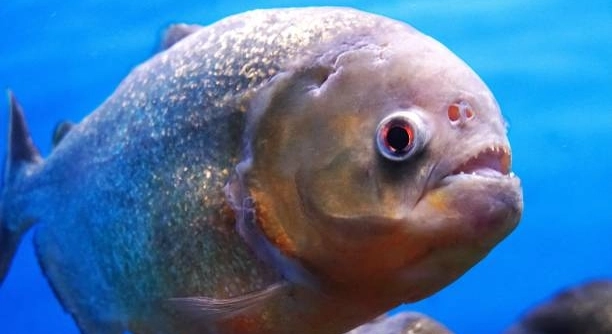
Caring for piranhas requires attention to detail and consistent effort. Many keepers focus on proper tank setup, diet, and water conditions to maintain healthy, thriving fish. Good habits help avoid common problems and ensure piranhas live well in captivity.
Healthy piranha keepers follow essential habits such as maintaining clean water, providing a balanced diet, monitoring fish behavior, and ensuring proper tank size. These practices minimize stress and disease, promoting longevity and overall well-being of the fish.
Learning these key habits will improve your piranha care routine and support a stable, healthy environment for your aquatic pets. This guide will cover important tips every keeper should know.
Consistent Water Quality Maintenance
Keeping the water clean and stable is one of the most important habits for healthy piranhas. Regular water changes help remove waste and toxins that build up in the tank. Testing water parameters like pH, ammonia, nitrite, and nitrate ensures conditions stay within safe ranges. Piranhas prefer slightly acidic to neutral pH levels and low levels of harmful chemicals. Filtration systems should be efficient enough to handle the tank’s bioload. Avoid overfeeding because leftover food can pollute the water quickly. Frequent observation of water clarity and odor can also help catch issues early. Maintaining good water quality prevents diseases and reduces stress, which is vital for piranhas to thrive. Establish a consistent schedule for testing and changing water, ideally weekly or biweekly, depending on the tank size and number of fish. This habit forms the foundation of proper piranha care.
Regular water changes reduce the risk of illness and keep your fish active. Clean water supports their natural behavior and immune system.
Following a strict water maintenance routine means your piranhas will stay healthy longer. It also makes your tank easier to manage, avoiding surprises like sudden deaths or sickness. When water quality is stable, fish exhibit natural feeding and swimming habits, making your aquarium more enjoyable to watch. Keeping the water environment steady can feel like extra work at first, but it quickly becomes a simple part of care. Over time, you will notice fewer problems and stronger, more vibrant piranhas. Clean water also supports beneficial bacteria that help break down waste safely. Together with proper filtration, water changes help create a balanced habitat that meets your piranhas’ needs without frequent interventions.
Providing a Balanced Diet
Feeding piranhas a balanced diet is essential for their health and growth. They need a mix of protein sources to mimic their natural eating habits.
Piranhas are omnivorous but lean heavily on meat-based foods. Feeding them fresh fish, shrimp, and insects provides essential nutrients. Some keepers include pellets made for carnivorous fish to ensure a consistent diet. Avoid feeding solely on one food type because it may cause deficiencies or poor health. Feeding small amounts multiple times a day prevents overfeeding and water pollution. A proper diet supports their immune system, muscle development, and coloration.
Including variety in feeding keeps piranhas interested and healthy. Sometimes, supplement with frozen or live foods to add nutrients and stimulate natural hunting instincts. Vegetables like spinach or peas can be given occasionally but should not dominate their diet. Monitor how much your piranhas eat and adjust portions to prevent leftovers. Regular feeding schedules help maintain a healthy routine and water quality. Remember, healthy eating habits also reduce aggressive behavior linked to hunger or stress. Proper diet management improves overall fish vitality and tank harmony.
Monitoring Fish Behavior Closely
Piranhas often show clear signs when something is wrong. Watching their behavior regularly helps catch issues early.
Changes like lethargy, loss of appetite, or unusual swimming can signal health problems or poor water conditions. Stress can also cause aggression or hiding. Keeping a close eye on how your piranhas act every day helps you spot these warning signs quickly. Acting early may prevent disease from spreading and improve recovery chances. This habit allows you to adjust care routines, such as water changes or feeding, before problems worsen.
Regular observation also helps you understand your piranhas’ normal behavior and personalities. This knowledge makes it easier to detect subtle changes or illness. Knowing their typical activity levels, social interactions, and feeding habits creates a baseline. It helps you provide better care by noticing stress triggers or environmental issues. Monitoring behavior is a proactive step to maintain a healthy aquarium environment and strong, vibrant fish.
Ensuring Proper Tank Size and Setup
A well-sized tank with proper setup is essential for healthy piranhas. Crowded or poorly arranged tanks increase stress and illness risk.
Piranhas need enough space to swim freely and establish territories. A tank of at least 75 gallons is recommended for a small group. Provide hiding places with rocks, driftwood, or plants to reduce stress and mimic natural environments. Good water flow and filtration support oxygen levels and waste removal. Avoid sharp decorations that could injure your fish during aggressive encounters. Proper tank layout encourages natural behavior and improves overall well-being. Keeping these factors in check creates a stable habitat that supports piranha health and reduces aggression.
Regular Tank Cleaning
Regular tank cleaning is necessary to maintain a healthy environment for piranhas. It prevents buildup of waste and harmful bacteria that can cause disease.
Cleaning should include substrate vacuuming, wiping tank walls, and filter maintenance. This keeps water quality stable and reduces stress on the fish.
Maintaining Stable Temperature
Piranhas thrive in water temperatures between 75°F and 82°F. Sudden temperature changes can cause stress and illness. Use a reliable heater and thermometer to monitor the tank’s temperature consistently. Keeping the temperature steady supports immune function and natural behavior in piranhas.
Avoiding Overcrowding
Overcrowding causes stress, aggression, and poor water quality. It limits swimming space and territory for piranhas, increasing conflicts. Maintaining appropriate fish numbers for your tank size supports healthier, calmer fish.
FAQ
How often should I change the water in my piranha tank?
Water changes should be done at least once a week, replacing 20-30% of the tank’s water. This helps remove toxins and maintain good water quality. If your tank is heavily stocked or you notice water quality issues, consider more frequent changes. Regular water changes keep your piranhas healthy and reduce the chance of disease outbreaks.
What is the best diet for piranhas?
Piranhas thrive on a diet rich in protein. Feeding them fresh or frozen fish, shrimp, and insects is ideal. You can also offer high-quality carnivorous pellets to provide balanced nutrition. Avoid feeding too much processed or dry food alone. Small, frequent meals prevent overfeeding and water pollution. Including some plant matter occasionally helps mimic their natural diet, but meat should remain the main focus.
Can piranhas live with other fish?
Piranhas are generally aggressive and territorial, making tank mates risky. It’s best to keep them with their own species in groups to reduce aggression. If you want to add other fish, choose large, robust species that won’t be seen as food and provide plenty of hiding spaces. Even then, close observation is necessary to prevent attacks or stress.
How large should my piranha tank be?
A minimum of 75 gallons is recommended for a small group of piranhas, typically 3 to 5 fish. Larger tanks reduce aggression by providing more space and territories. Overcrowding can cause stress and illness. Providing ample swimming room supports their natural behavior and overall health.
What water parameters do piranhas need?
Piranhas prefer slightly acidic to neutral water, with a pH between 6.0 and 7.5. Temperature should be kept steady between 75°F and 82°F. Ammonia and nitrite levels must be at zero, while nitrate should be kept low with regular water changes. Stable water conditions help prevent disease and stress.
How can I tell if my piranhas are stressed?
Signs of stress include hiding excessively, loss of appetite, erratic swimming, and increased aggression. Cloudy or red eyes and faded coloration can also indicate problems. Stress often results from poor water quality, overcrowding, or sudden changes in environment. Identifying stress early allows you to correct conditions and protect your fish.
Is it necessary to quarantine new piranhas?
Yes, quarantining new piranhas for at least two weeks before adding them to the main tank helps prevent disease spread. This period allows you to monitor health and treat any issues before mixing fish. Quarantine tanks should have similar water conditions to reduce stress on the new arrivals.
What are common diseases in piranhas, and how can I prevent them?
Common diseases include fin rot, ich, and bacterial infections, often caused by poor water quality or stress. Prevent these by maintaining clean water, proper diet, and a stable environment. Quarantine new fish and avoid overcrowding. If disease occurs, early treatment with appropriate medication increases the chance of recovery.
How often should I feed my piranhas?
Feed piranhas small amounts two to three times daily. Avoid overfeeding, as uneaten food pollutes the water. Observe how much they consume within a few minutes and adjust portions accordingly. Consistent feeding schedules support health and reduce aggressive behavior linked to hunger.
Can piranhas live alone?
While piranhas can survive alone, they are naturally schooling fish and often do better in small groups. Keeping them in groups can reduce stress and encourage natural behaviors. However, aggression can increase in confined spaces, so provide enough room if you keep multiple piranhas together.
Final Thoughts
Taking care of piranhas requires attention to detail and commitment. These fish need specific conditions to stay healthy and thrive. Regular maintenance of their tank, proper feeding, and careful monitoring of their behavior are essential habits for anyone keeping piranhas. Ignoring these needs can lead to health problems, stress, and aggression. Understanding the basics of piranha care helps create a safe and comfortable environment for them.
It is important to provide a well-sized tank with proper setup. Piranhas need enough space to swim and places to hide to feel secure. Water quality must be consistently maintained by regular cleaning and water changes. Stable temperature and water parameters prevent illness and support the fish’s immune system. Feeding a balanced diet that meets their nutritional needs is equally important. Overfeeding or poor food choices can quickly harm the tank’s environment and the fish’s health.
In summary, healthy piranha keeping depends on developing good habits and paying close attention to your fish’s needs. By observing their behavior, maintaining water quality, and providing appropriate care, you increase the chances of raising strong and lively piranhas. These habits not only help the fish but also make the experience more rewarding for the keeper. Taking these steps seriously will lead to a better, healthier aquarium.

Hello,
If you enjoy the content that we create, please consider saying a "Thank You!" by leaving a tip.
Every little bit helps us continue crafting quality advice that supports the health, happiness, and well-being of pets around the world, for pets of all shapes, sizes, and species.
We really appreciate the kindness and support that you show us!