
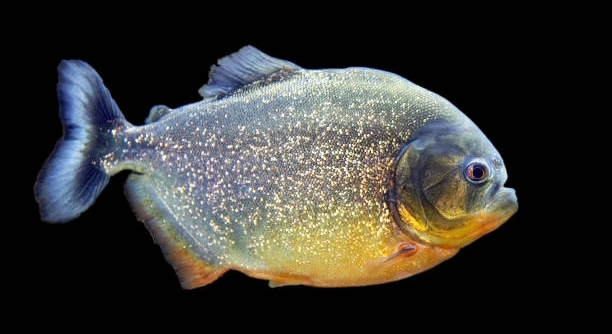
Many aquarium owners want their piranhas to feel safe and secure with good hiding spots. Sometimes, these fish avoid shelters, making it hard to create a comfortable environment. Understanding why piranhas refuse hiding spaces can improve their care.
Piranhas often avoid hiding spaces due to common mistakes like improper tank setup, poor water conditions, unsuitable decorations, or stress from overcrowding. These factors disrupt their natural behavior, causing them to reject shelters that would otherwise make them feel safe.
Knowing these mistakes will help you create a better home for your piranhas. This guide highlights key issues to watch for and how to fix them for a healthier aquarium.
Incorrect Tank Size and Layout
Having the right tank size is important for piranhas to feel comfortable enough to use hiding spaces. If the tank is too small, piranhas will feel crowded and stressed, which makes them avoid shelters. A cramped space limits their movement and forces them to compete for hiding spots. On the other hand, a very large tank without enough hiding areas can make them feel exposed and unsafe. The layout of the tank matters too. Decorations and plants should be placed thoughtfully to create natural hiding spots without blocking swimming paths. Poor placement can make shelters less appealing or hard to reach. Regularly rearranging the tank can also confuse piranhas, causing them to avoid new hiding spaces. Overall, a well-planned tank size and layout help piranhas feel secure and encourage them to use hiding spots more often.
Piranhas need enough space and well-placed shelters to feel safe. Both tank size and setup affect their behavior around hiding spots.
Adjusting the tank layout and size creates a more welcoming environment. Using natural decorations like driftwood and dense plants helps piranhas find and trust their hiding places. A balance between open swimming areas and covered spots is key to reducing stress and encouraging natural behavior. Ensuring the tank fits the number and size of your piranhas prevents overcrowding and competition. With patience, piranhas will start using their shelters regularly, which improves their overall health and happiness.
Poor Water Quality
Poor water quality is a major reason why piranhas refuse hiding spaces. Dirty or unbalanced water creates stress and discomfort, making fish avoid certain parts of the tank, including shelters. Piranhas need clean, well-filtered water with stable temperature and pH levels. If ammonia or nitrate levels rise, or if the water is too cold or warm, they become less active and hide less often. Poor water conditions also weaken their immune system, increasing the risk of illness. Frequent water changes and monitoring water parameters help keep the tank healthy. Without good water quality, even the best hiding spots will go unused because the fish simply won’t feel safe.
Water quality affects piranha behavior strongly. Keeping water clean and balanced encourages them to use hiding places.
Maintaining optimal water conditions requires regular testing and cleaning routines. A reliable filtration system is essential to remove waste and toxins. Adjusting temperature between 75–80°F and maintaining a pH level near neutral (6.5 to 7.5) supports piranha comfort. Avoid sudden changes to prevent stress. When water quality is good, piranhas feel secure exploring their environment, including their hiding spaces. Investing time in water care pays off by making the tank a more inviting place for your fish to rest and hide when needed.
Lack of Proper Hiding Materials
Not all hiding spots are created equal. Piranhas prefer natural materials like driftwood, rocks, and dense plants over plastic decorations. Artificial items may feel strange or unsafe, so the fish avoid them. Using the right materials helps make shelters inviting and comfortable.
Natural hiding spots mimic piranhas’ environment in the wild. Driftwood provides shade and texture, while rocks create caves and crevices. Plants add cover and security by breaking up open spaces. When these materials are placed thoughtfully, piranhas feel protected. Plastic or smooth decorations often lack hiding texture, causing the fish to ignore those spaces. It’s important to clean and maintain natural items to prevent decay, which could harm water quality. A mix of hiding materials with varied shapes and sizes works best to meet different piranhas’ preferences and encourage them to explore and rest in these areas.
Offering only artificial or limited hiding options can make piranhas uneasy. They need varied, natural structures to feel safe. Combining driftwood, rocks, and plants creates a balanced environment. This variety keeps the tank interesting and offers multiple comfortable spots. Watching your piranhas gradually accept and use these spaces shows that the right hiding materials matter more than just having places labeled as “shelters.”
Stress from Overcrowding
Overcrowding in the tank causes stress, making piranhas avoid hiding spots. Too many fish mean competition for space and resources, leading to aggression. This stress discourages the use of shelters as safe zones.
Piranhas are territorial and need enough room to establish their own areas. When the tank is overcrowded, they compete for hiding spots, causing fights or fear. This can make them stay in open areas to avoid conflict or hide less because they feel constantly threatened. Overcrowding also increases waste, affecting water quality and health. Maintaining proper fish numbers and size ratios reduces stress and helps piranhas feel secure enough to use hiding spaces.
A tank with fewer piranhas allows each fish to claim a shelter without constant competition. Providing multiple hiding spots helps distribute the fish and reduces conflicts. Proper stocking creates a calmer, more balanced environment where piranhas show natural behaviors, including resting and hiding. This makes caring for them easier and keeps the tank peaceful.
Inconsistent Lighting
Piranhas prefer stable lighting that mimics their natural environment. Too bright or sudden changes in light make them nervous and less likely to use hiding spots. Consistent, dim lighting helps them feel safe and encourages natural behavior.
Using a timer for the aquarium lights creates a predictable day-night cycle. This reduces stress and makes hiding places more appealing as piranhas learn when to rest and when to be active.
Lack of Routine Maintenance
Neglecting regular tank maintenance causes buildup of waste and algae, which affects hiding spaces. Dirty tanks create discomfort and discourage piranhas from exploring or resting in shelters.
Regular cleaning and water changes keep the environment healthy. A clean tank supports better hiding habits and improves fish wellbeing.
Stress from Handling
Frequent or rough handling stresses piranhas, making them avoid hiding spots. Minimizing disturbance helps them feel secure and more likely to use shelters regularly.
Why do piranhas avoid hiding spaces even when shelters are available?
Piranhas may avoid hiding spots if the tank conditions aren’t right. Factors like poor water quality, stress from overcrowding, or the wrong type of hiding materials can cause them to ignore shelters. If the environment feels unsafe, they won’t trust these spaces. Sometimes, hiding spots might be placed poorly or made from materials that don’t feel natural, which also discourages use. Piranhas need stable, clean water and a calm tank with natural, well-arranged hiding areas to feel secure enough to use them.
How can I make my piranhas feel safe enough to use hiding spaces?
Start by ensuring the tank is the right size with a balanced layout of hiding spots made from natural materials like driftwood and rocks. Keep water clean with regular maintenance and stable parameters. Avoid overcrowding and handle your fish gently to reduce stress. Also, maintain consistent lighting to mimic their natural environment. When these factors are in place, piranhas are more likely to accept and use their shelters.
What are the best materials for creating piranha hiding spots?
Natural materials are best. Driftwood offers shade and texture, while rocks can create caves or crevices. Dense aquatic plants provide cover and security. Avoid plastic or smooth decorations because they don’t mimic a natural environment. Natural materials give piranhas familiar places to hide and feel protected. Just remember to clean and maintain these items regularly to keep the tank healthy.
Can water quality really affect piranha hiding behavior?
Yes. Poor water quality causes stress and discomfort. High ammonia or nitrate levels, improper temperature, or unbalanced pH can make piranhas less active and reluctant to use hiding spaces. Keeping water clean with good filtration and regular water changes is essential. When water conditions improve, fish are more relaxed and more likely to explore and hide.
How many piranhas should be kept in one tank to avoid overcrowding?
Tank size and piranha size matter most, but generally, avoid crowding by following a guideline of at least 20 gallons per adult piranha. Overcrowding leads to stress and competition for hiding spots. Proper stocking ensures each fish can claim a safe shelter without conflict, helping them feel secure and use hiding spaces comfortably.
Does lighting impact piranhas’ use of hiding spots?
Yes, lighting plays a role. Too much bright light or sudden changes can stress piranhas and cause them to avoid hiding places. Using a timer to maintain a stable day-night cycle with dim lighting makes the tank more natural and calming. This helps piranhas feel safe and use their shelters as they would in the wild.
How often should I clean my tank to encourage hiding behavior?
Regular cleaning is crucial. Partial water changes every week or two and cleaning decorations help prevent buildup of waste and algae. A clean environment reduces stress and makes hiding spots inviting. Neglecting maintenance can cause discomfort, leading piranhas to avoid their shelters.
Can handling or moving piranhas affect their willingness to hide?
Yes, frequent or rough handling causes stress and makes piranhas wary. They may avoid hiding spots if they feel threatened. Minimize disturbance by handling them only when necessary and doing so gently. A calm fish is more likely to feel safe and use hiding places regularly.
What if my piranhas still don’t use hiding spots after improvements?
Sometimes, it takes time for piranhas to adjust. Be patient and observe their behavior. Try rearranging hiding spots or adding new natural materials. If stress factors are removed and conditions are right, they will start using shelters. If problems persist, check water parameters and tank setup again to find hidden issues.
Creating a comfortable home for piranhas takes attention to many small details. When they avoid hiding spaces, it usually means something in their environment isn’t quite right. Common issues include the tank size, water quality, overcrowding, or the type of decorations used. Fixing these problems helps piranhas feel safe and encourages them to use hiding spots. Natural materials like driftwood and plants work better than plastic decorations because they look and feel more like the places piranhas would hide in the wild. It is important to provide enough space and make sure the tank is clean and well-maintained.
Lighting and routine care also play a big role. Piranhas need stable, dim lighting that matches their natural day-night rhythm. Too bright or sudden light changes can stress them out and stop them from going into shelters. Keeping the water clean by doing regular water changes and monitoring its quality reduces stress and creates a healthier home. Overcrowding is another key factor. Too many piranhas in one tank cause competition and fighting, which makes the fish feel unsafe and less likely to hide. Providing enough room and multiple hiding spots helps reduce stress and allows each piranha to feel secure.
Even with the best setup, patience is important. Piranhas can take time to get used to new hiding places or tank arrangements. Watching how they behave and making small changes over time can improve their comfort. Avoid handling the fish too often or roughly because this adds stress and makes them avoid shelters. In the end, a balanced tank with clean water, proper lighting, enough space, and natural hiding spots will encourage piranhas to show their natural behaviors and use the places meant for hiding. Paying attention to these details helps keep piranhas healthy, calm, and happy in their aquarium.

Hello,
If you enjoy the content that we create, please consider saying a "Thank You!" by leaving a tip.
Every little bit helps us continue crafting quality advice that supports the health, happiness, and well-being of pets around the world, for pets of all shapes, sizes, and species.
We really appreciate the kindness and support that you show us!