
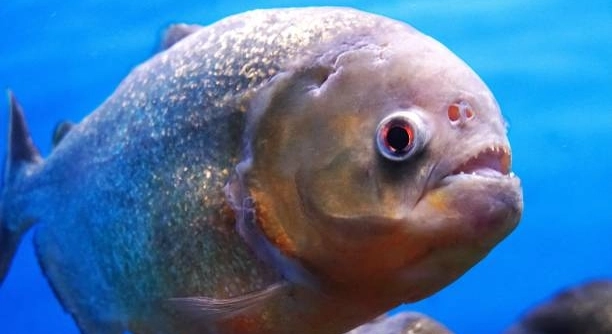
Piranhas are fascinating fish known for their sharp teeth and swift movements in water. Understanding how they find their way through rivers and lakes adds an interesting layer to their behavior. This article explores key facts about their navigation skills.
Piranhas use a combination of sensory organs, environmental cues, and social behaviors to navigate their habitats. Their lateral line system detects water vibrations, while vision and chemical signals help them move efficiently and coordinate within groups.
These insights reveal the clever ways piranhas survive and thrive in their complex environments. Learning more about their navigation can change how we view these often misunderstood creatures.
The Role of the Lateral Line System
Piranhas rely heavily on their lateral line system to understand their surroundings. This sensory organ runs along the sides of their bodies and detects subtle changes in water pressure and movement. When something disturbs the water, the lateral line sends signals to the brain, helping the fish locate objects, prey, or threats even in murky waters. This system is especially useful in the dark or when visibility is low. It allows piranhas to move confidently without bumping into obstacles or getting lost. The lateral line also helps them stay in tight groups, moving as a unit while avoiding collisions. It’s an amazing natural tool that supports both survival and hunting. Without it, piranhas would struggle to navigate through complex river environments where currents and other fish constantly change the water’s flow.
The lateral line is a vital navigation aid, offering piranhas a detailed map of their immediate environment.
This sensory ability gives piranhas an edge, allowing them to sense movement around them and react quickly. It complements their vision and other senses, making navigation precise and efficient. Their survival depends on this system, especially in environments where other senses might fail. This allows them to swim through crowded areas and hunt in conditions that would confuse many other fish. It also helps them maintain their social structure by coordinating movements during group hunting or fleeing from danger. In this way, the lateral line system is not just about navigation but also about communication within the school. Understanding this helps us appreciate how finely tuned piranhas are to their aquatic habitats.
Visual Navigation and Environmental Cues
Piranhas also use their eyesight to navigate and recognize familiar areas. Their eyes can detect shapes and movements, which helps them spot prey or avoid predators. They rely on landmarks like rocks, plants, and riverbanks to keep track of where they are.
Visual cues play an important role in piranha navigation, especially in clear waters where their eyes can pick up details. They remember patterns and use this information to find feeding grounds or safe hiding spots. When the water is murky, their vision works together with other senses like smell and the lateral line to build a clearer picture of their surroundings. This multi-sensory approach makes their navigation effective in different conditions. By combining vision with environmental cues, piranhas can move confidently through both familiar and new areas, ensuring they don’t waste energy swimming aimlessly. This helps them conserve strength for hunting or escaping threats. The ability to recognize and use visual information shows how adaptable and smart these fish really are.
Chemical Signals in Navigation
Piranhas use chemical signals to communicate and find their way. These signals come from scents released into the water, helping them identify food sources or detect danger nearby.
Chemical communication plays a big role in how piranhas stay organized in groups. They release and sense pheromones, which help coordinate movements and keep the school together. When a piranha finds food, it can release chemicals that alert others to the location. These scents travel through the water, guiding nearby fish toward the source. This system also helps warn others of predators or threats.
By sensing these chemical cues, piranhas navigate efficiently, even when visibility is poor. This ability to “smell” their environment adds an important layer to their navigation skills. It helps them react faster and make smarter decisions in complex water systems where other senses might fail.
Social Behavior and Group Navigation
Piranhas often swim in schools, which helps them navigate better. Moving in groups gives them safety and direction.
Within a school, fish follow simple rules: stay close but don’t bump into each other. They watch the movements of neighbors and adjust their speed and direction. This group behavior helps the whole school respond quickly to changes in the environment, such as threats or new food sources. It also improves their chances of finding the best paths through tricky river areas. Schools act like a single unit, making navigation smoother and safer for every fish. This coordination depends on constant communication using vision, the lateral line, and chemical signals. Their social nature is key to how they move through their habitat efficiently.
Memory and Learning
Piranhas use memory to recognize areas where they’ve found food or shelter before. This helps them avoid danger and return to safe spots.
They can learn from experience, remembering obstacles or good hunting grounds. This makes their navigation smarter over time.
Adaptation to Water Currents
Piranhas adjust their swimming to match water currents, using flow patterns to move efficiently. This saves energy and helps them navigate faster.
They sense changes in the current with their lateral line and adjust direction accordingly, making their movement smooth and purposeful.
Nighttime Navigation
Piranhas rely more on senses other than vision at night. Their lateral line and chemical signals become essential for finding food and avoiding threats.
FAQ
How do piranhas use their lateral line to avoid obstacles?
The lateral line system detects vibrations and pressure changes in the water, alerting piranhas to nearby objects. This sense works like an early warning system, helping them swim around obstacles without relying solely on sight. It is especially useful in murky or dark water where visibility is low.
Can piranhas recognize individual places in their environment?
Yes, piranhas remember locations where they have found food or shelter before. This memory helps them navigate back to these spots efficiently, saving energy and avoiding dangerous areas. Their ability to learn from experience plays an important role in their daily survival.
Do piranhas rely more on vision or other senses?
Piranhas use a combination of vision, the lateral line, and chemical signals. Vision helps in clear water and daylight, while the lateral line and chemical senses become more important in murky water or at night. This multi-sensory approach ensures they can navigate effectively in different conditions.
How do chemical signals help piranhas in groups?
Chemical signals, like pheromones, help piranhas communicate about food, danger, and social coordination. When a fish finds food, it can release chemicals that attract others. These signals also warn the group about threats, allowing the school to respond quickly and stay together.
Why do piranhas swim in schools for navigation?
Swimming in schools improves navigation by allowing piranhas to move as a coordinated unit. They follow each other’s movements and use shared sensory information to avoid dangers and find food. Group travel reduces the risk of predation and helps each fish conserve energy.
How do piranhas adapt their movement to water currents?
Piranhas sense water currents with their lateral line and adjust their swimming to use these flows efficiently. By moving with or against currents as needed, they save energy and navigate more easily through rivers and streams, especially in complex habitats.
Are piranhas active at night, and how do they navigate then?
Yes, piranhas can be active at night but rely less on vision. Instead, they depend on their lateral line and chemical senses to detect movement, find food, and avoid predators. These heightened senses allow them to stay active and safe even in low light.
Can piranhas get lost or confused in unfamiliar waters?
While piranhas have strong navigation skills, unfamiliar waters can be challenging. They rely on their senses and memory to adapt quickly. In new environments, their lateral line, vision, and chemical cues work together to help them learn the area and avoid getting lost.
How important is social behavior in piranha navigation?
Social behavior is crucial. By swimming in groups and communicating chemically and visually, piranhas improve their chances of finding food and escaping predators. Their group dynamics make navigation more efficient and safe compared to swimming alone.
Do piranhas communicate through sounds during navigation?
Piranhas can produce sounds, mainly for social interaction and warning signals. While sound plays a smaller role in navigation compared to other senses, it helps maintain group cohesion and alert others to danger during movement.
How do environmental changes affect piranha navigation?
Changes like water pollution, temperature shifts, or habitat destruction can impact piranha navigation. These factors may interfere with sensory systems or alter familiar landmarks, forcing piranhas to adapt or move to new areas for survival.
Are piranhas’ navigation abilities unique compared to other fish?
Their use of multiple senses combined with social coordination makes piranhas effective navigators. While other fish also use lateral lines and vision, piranhas’ strong group behavior and chemical communication give them an edge in navigating complex freshwater habitats.
Final Thoughts
Piranhas are often seen as fierce and simple creatures, but their navigation skills show a different side. They use many tools to find their way in the water. Their lateral line system detects changes in water pressure and movement, helping them avoid obstacles and locate others in their group. This sense is very important when the water is dark or unclear. It works like a natural radar, giving piranhas detailed information about their surroundings. Alongside this, their eyesight helps them recognize landmarks and spot prey when the water is clear.
Chemical signals also play a big role in how piranhas move and communicate. These fish release and detect scents in the water, which helps them find food and warn others of danger. This chemical communication keeps the school organized and safe. By swimming in groups, piranhas gain protection and better navigation. They adjust their movements to stay close but not collide, using signals from their neighbors. This social behavior allows them to react quickly to threats and find the best routes through their environment. It’s a smart way to live in a world where the water is often crowded and unpredictable.
Their ability to learn from memory and adapt to changing water currents makes piranhas even more skilled navigators. They remember places that are safe or rich in food and use that knowledge to save energy. When water conditions change, they adjust their swimming style to make the most of currents. At night or in murky water, they rely less on vision and more on other senses like their lateral line and chemical detection. Together, these abilities create a complex system that allows piranhas to survive and thrive. Understanding these facts helps us appreciate the intelligence and adaptability of these fish beyond their reputation.

Hello,
If you enjoy the content that we create, please consider saying a "Thank You!" by leaving a tip.
Every little bit helps us continue crafting quality advice that supports the health, happiness, and well-being of pets around the world, for pets of all shapes, sizes, and species.
We really appreciate the kindness and support that you show us!