
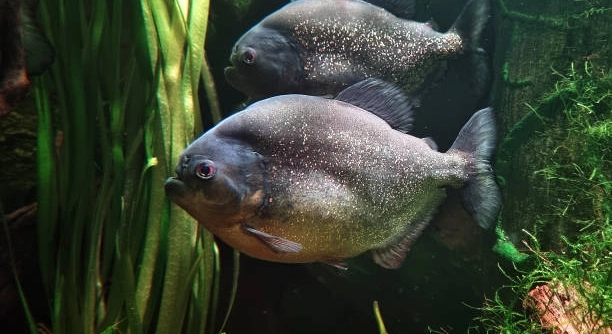
New piranhas often display aggressive or stressed behavior when introduced to a new environment. Adjusting their surroundings carefully can help reduce their agitation and promote calmer interactions. This article outlines practical steps to create a peaceful habitat for them.
Seven key adjustments can effectively calm new piranhas: maintaining proper water temperature, ensuring adequate hiding spaces, regulating feeding schedules, minimizing sudden movements around the tank, controlling water quality, using gentle lighting, and avoiding overcrowding. These factors collectively reduce stress and aggression.
Understanding and applying these adjustments will help new piranhas settle more comfortably. The following guide provides clear actions to support their wellbeing and create a balanced aquarium environment.
Maintain Proper Water Temperature
Keeping the water temperature stable is essential for calming new piranhas. They thrive best in temperatures between 75 and 82 degrees Fahrenheit. Sudden changes or extreme temperatures can cause stress, making them more aggressive or withdrawn. Using a reliable heater and thermometer ensures the water stays within this range. Gradually adjusting the temperature when introducing new fish can prevent shock. Regular monitoring helps avoid unexpected fluctuations caused by room temperature changes or equipment failure. Consistent warmth supports their immune system and overall health. This simple step lays the foundation for a calm and healthy tank environment.
Stable water temperature supports piranhas’ metabolic balance and reduces stress-related behaviors. It is a critical factor for their adjustment to a new home.
Temperature control should never be overlooked. It directly influences their mood and activity levels. Maintaining warmth prevents illness and aggression, allowing piranhas to feel secure and adapt more smoothly to their environment.
Provide Adequate Hiding Spaces
Creating enough hiding spots is key for reducing stress in new piranhas. These fish naturally seek shelter to feel safe and avoid confrontation. Using rocks, driftwood, or plants gives them places to retreat when they feel threatened. Without hiding spaces, they may become anxious or overly territorial. The arrangement should offer multiple secluded areas so all piranhas can find refuge. Hiding spots also encourage natural behavior, making them more relaxed and less likely to fight. Positioning these spaces thoughtfully throughout the tank helps distribute fish and reduces crowding in one area.
Hiding spaces play a vital role in calming new piranhas by offering security.
Providing diverse shelters mimics their natural habitat and prevents stress-induced aggression. When piranhas have access to retreats, they are less likely to engage in constant displays of dominance. This setup reduces tension and allows them to settle comfortably. Over time, calm fish show better feeding habits and healthier growth. Consistent access to hiding spots lowers their alertness to threats, helping them focus on normal daily activities. Ensuring plenty of shelters also supports social balance within the group, preventing bullying and territorial disputes. In all, these simple additions create a more peaceful tank atmosphere and improve the well-being of new piranhas.
Regulate Feeding Schedules
Consistent feeding times reduce stress and prevent aggression in new piranhas. Irregular feeding can cause competition and anxiety.
Feeding piranhas on a regular schedule trains them to expect food, which lowers territorial behavior during mealtime. It is best to provide small, frequent portions rather than large meals. Overfeeding should be avoided because leftover food can pollute the water, causing health problems. Fresh, high-quality food supports their nutrition and energy levels. Maintaining routine feeding helps establish a calm environment and reduces the chances of aggressive disputes over food.
Balanced feeding routines support peaceful coexistence. Careful attention to portion size and timing keeps piranhas focused on eating, rather than fighting.
Minimize Sudden Movements Around the Tank
Abrupt movements near the aquarium cause stress and trigger defensive behavior. Keeping the area calm helps piranhas feel safe.
Sudden activity or tapping on the glass startles piranhas, making them more aggressive or skittish. Avoid standing too close or making rapid gestures around the tank. Soft, steady movements when caring for the fish allow them to adjust and remain calm. Limiting external disturbances from pets or loud noises also contributes to their comfort. Creating a quiet and stable environment supports their natural behavior and reduces anxiety.
Consistent, gentle interactions foster trust and reduce unnecessary stress. A peaceful atmosphere outside the tank reflects positively on the fish’s temperament and health.
Control Water Quality
Regular water changes keep piranhas healthy and calm. Poor water quality causes stress and aggressive behavior.
Testing water parameters like pH, ammonia, and nitrate levels is important. Clean water reduces toxins that irritate fish, improving their mood and immune system.
Use Gentle Lighting
Bright or flashing lights can stress piranhas. Soft, steady lighting mimics their natural habitat and helps them relax.
Adjust lighting to avoid harsh glare and give them a day-night cycle. This promotes calmness and normal activity patterns.
Avoid Overcrowding
Too many piranhas in one tank increase stress and aggression. Provide enough space for each fish to move freely.
Overcrowding leads to competition for resources and territory, making it harder for new piranhas to settle peacefully.
FAQ
How often should I change the water to keep new piranhas calm?
Regular water changes are essential. It is best to replace about 20-25% of the water weekly. This keeps ammonia and nitrate levels low and reduces toxins. Clean water helps prevent stress and supports their immune system, which promotes calm behavior in new piranhas.
What is the ideal tank size for new piranhas?
A minimum tank size of 75 gallons is recommended for a small group of piranhas. They need ample space to swim and establish territories. Larger tanks reduce overcrowding and aggression. More space allows hiding spots to be spread out, creating a less stressful environment.
Can piranhas live peacefully with other fish?
Piranhas are naturally aggressive and territorial. They usually do best in species-only tanks. Keeping other fish with them risks injury or death for the tank mates. If attempting community tanks, choose robust, fast-swimming species, but be prepared for possible conflicts.
What foods calm new piranhas?
A diet rich in protein helps keep piranhas satisfied and less aggressive. Feed them high-quality pellets, frozen or live foods like shrimp, fish fillets, or worms. Avoid overfeeding, as uneaten food can pollute the tank and cause health problems.
How can I tell if my piranhas are stressed?
Signs of stress include hiding constantly, rapid breathing, loss of appetite, or excessive aggression. Stress weakens their immune system and may lead to illness. Adjusting tank conditions and routine care can help reduce stress.
Is it necessary to quarantine new piranhas before adding them to the main tank?
Quarantining new fish for 2 to 4 weeks prevents spreading diseases to the main tank. It allows observation for illness or parasites and helps the fish adjust to captive conditions. This step reduces overall tank stress and improves survival rates.
Why do piranhas fight when introduced to a new tank?
Fighting often results from territorial disputes and stress due to unfamiliar surroundings. Limited hiding spots and overcrowding increase conflict. Gradual introduction with proper tank setup, including hiding places, reduces aggression among new piranhas.
How important is water temperature for piranha behavior?
Water temperature directly affects metabolism and mood. Temperatures outside the ideal range cause stress, lethargy, or increased aggression. Keeping the tank between 75 and 82 degrees Fahrenheit supports stable behavior and health.
Can lighting influence piranha stress levels?
Yes, harsh or fluctuating lighting can cause discomfort and stress. Soft, steady lighting that mimics natural daylight helps maintain calmness. Providing a regular light-dark cycle also supports natural rhythms and reduces anxiety.
What should I do if a piranha is injured from fighting?
Isolate injured fish to a separate recovery tank if possible. Maintain clean, warm water and provide gentle care. Monitor healing closely and avoid reintroducing aggressive tank mates until the injury fully recovers.
Are hiding spaces necessary if the tank is large?
Yes, hiding spaces are still important regardless of tank size. They provide refuge and reduce stress by allowing fish to escape potential threats. Hiding spots help maintain social balance and prevent constant fighting.
How can I minimize sudden movements around the aquarium?
Approach the tank calmly and avoid tapping on the glass. Limit loud noises and rapid hand movements nearby. Creating a peaceful environment outside the tank reduces piranhas’ stress and aggressive reactions.
Does overcrowding affect new piranha behavior?
Overcrowding causes stress, competition, and aggression. Each piranha needs space to establish its territory and move freely. Maintaining proper stocking levels supports calmer, healthier fish and lowers injury risks.
What is the best way to introduce new piranhas to an existing tank?
Introduce new fish slowly and carefully, preferably at the same time to reduce dominance struggles. Rearrange tank decorations to reset territories. Monitor interactions closely to prevent severe fights during the adjustment period.
Can stress affect piranha health long term?
Yes, chronic stress weakens the immune system, making piranhas vulnerable to infections and diseases. Managing tank conditions, diet, and social dynamics is crucial to avoid long-term health issues.
How does feeding frequency impact piranha aggression?
Regular, smaller feedings help keep piranhas satisfied and reduce competition. Irregular or infrequent feeding can increase aggression as fish compete for food. Maintaining consistent feeding schedules promotes peaceful behavior.
Is it okay to keep only one piranha?
Piranhas are social fish and usually prefer groups. Keeping a single piranha can lead to loneliness and abnormal behavior. A small group helps them establish natural social structures, reducing stress and aggression.
How can I improve tank conditions for new piranhas?
Maintain clean, stable water conditions, control temperature and lighting, provide hiding spots, and follow proper feeding routines. Minimizing disturbances around the tank also helps new piranhas settle and reduces stress.
What signs indicate piranhas are adjusting well to their environment?
Calm swimming, regular feeding, less hiding, and reduced aggression show successful adjustment. Healthy color and active behavior indicate the fish feel secure and comfortable in their tank.
How can I prevent piranha aggression during feeding?
Feed small amounts spread evenly across the tank. This reduces competition for food and lowers fighting. Use feeding tools to place food in different areas to keep all fish occupied. Regular feeding schedules help maintain calm.
Final Thoughts
Managing new piranhas requires attention to several key factors that influence their behavior and well-being. These fish can appear aggressive at first, but many of their reactions are natural responses to stress or unfamiliar environments. By regulating feeding schedules, controlling water quality, and providing adequate space, you can create a setting where piranhas feel secure. Consistency in care routines plays an important role in reducing tension and promoting a calmer atmosphere. It is also crucial to avoid sudden disturbances around the tank, as this can startle the fish and trigger defensive behaviors.
Providing proper lighting and hiding spaces helps mimic the natural environment of piranhas, which reduces anxiety. Overcrowding is a common problem that leads to conflicts and stress, so ensuring the tank is large enough for all the fish is necessary. Additionally, regular water changes keep the environment clean and prevent health issues. Each adjustment, while simple on its own, works together to build a balanced habitat. This balance supports both physical health and social stability among the piranhas, making them less likely to show aggression or stress-related behaviors.
Patience is important when introducing new piranhas to your tank. It may take time for the fish to settle and adjust to their surroundings and each other. Observing their behavior and making small changes based on their needs can improve their comfort. Avoid rushing the process or making drastic changes all at once. Over time, these steps will help maintain a healthy, calm group of piranhas. Careful attention to their environment and habits ensures they live longer, healthier lives with less aggression.

Hello,
If you enjoy the content that we create, please consider saying a "Thank You!" by leaving a tip.
Every little bit helps us continue crafting quality advice that supports the health, happiness, and well-being of pets around the world, for pets of all shapes, sizes, and species.
We really appreciate the kindness and support that you show us!