
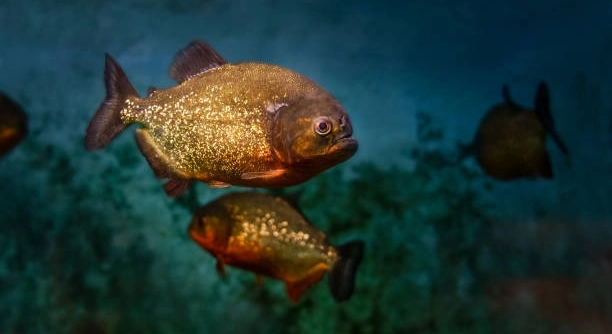
Piranhas are known for their sharp teeth and fierce reputation. As they grow older, they develop some unique behaviors and traits that aren’t obvious when they are young. These changes make mature piranhas quite interesting to observe.
As piranhas age, they exhibit specific quirks such as altered feeding habits, changes in social behavior, and distinct physical traits. These age-related characteristics help scientists understand their development and survival strategies better.
These little-known traits add depth to how we view piranhas beyond just being aggressive fish. Exploring their quirks reveals surprising details about their life stages and habits.
Changes in Feeding Behavior
As piranhas grow older, their feeding habits tend to shift noticeably. Young piranhas are often more aggressive feeders, snapping quickly at any movement in the water. However, as they mature, they become more selective about their food and feeding times. This change is partly because older piranhas need to conserve energy and avoid unnecessary risks. Their teeth also show signs of wear, which can affect how they tear into prey. Mature piranhas may spend more time scavenging rather than actively hunting, relying on leftovers from other predators. This shift reflects their adaptation to the environment and their role in the ecosystem as both hunters and scavengers.
Older piranhas usually eat less frequently but choose meals that offer more nutrition. This helps them maintain their strength without expending too much energy chasing prey.
These feeding adjustments make mature piranhas less frantic and more efficient. Watching this change unfold can give you a better understanding of their survival tactics and behavior. It also shows how they balance the need for food with safety as they age.
Changes in Social Behavior
Piranhas develop more complex social behaviors as they grow.
Older piranhas tend to form looser groups and show less territorial aggression than juveniles. This shift means that mature fish can coexist with less fighting, possibly to reduce injury risks. Group dynamics also change, with older piranhas sometimes showing cooperative hunting or more careful positioning within the school. These behaviors help them avoid predators and improve feeding chances. The change reflects how maturity brings different priorities, such as safety and energy conservation, compared to the youthful focus on dominance and competition. Observing these social patterns reveals more about how piranhas interact and support their survival as a group.
Physical Changes Over Time
Older piranhas show clear physical changes, especially in their teeth and scales. Their teeth become blunter and sometimes chipped from years of feeding. Scales often grow thicker and may darken in color.
These physical changes affect how piranhas live. Blunter teeth make it harder to catch fast prey, so mature piranhas rely more on scavenging. Thicker scales provide better protection from predators and fights within their group. These adaptations help older piranhas survive longer despite a slower pace and fewer hunting successes. The color changes also seem to signal age or status within the group, affecting social interactions and hierarchy.
Observing these changes gives insight into how piranhas adapt physically to the challenges of aging. Their appearance tells a story of experience, survival, and shifting roles in their environment.
Sensory Adaptations with Age
Piranhas develop sharper senses as they grow older. Their ability to detect movement and changes in water pressure improves.
This heightened sensory ability helps older piranhas compensate for slower speed and worn teeth. They rely more on sensing prey or danger from a distance, allowing them to prepare or avoid conflicts. It also helps them locate food sources more efficiently without wasting energy. These sensory adaptations are vital for their survival in competitive and sometimes dangerous environments.
Their increased alertness shows how aging piranhas adjust to new challenges. By enhancing their senses, they maintain a balance between caution and opportunity, ensuring they stay effective hunters even as their bodies change.
Slower Movement Patterns
Older piranhas move more slowly than younger ones. Their energy levels drop, so they avoid quick bursts of speed unless necessary.
This slower pace helps conserve energy but also changes how they interact with their environment. It makes them less aggressive and more cautious around potential threats.
Changes in Reproductive Behavior
Mature piranhas tend to reproduce less frequently but invest more effort in protecting their offspring. They become more selective when choosing mates, often showing more courtship behaviors. This shift helps ensure their young have better chances of survival, reflecting a more careful and strategic approach to reproduction compared to younger fish.
Increased Territorial Tolerance
With age, piranhas become less territorial. They tolerate others nearby more often, reducing constant fighting. This shift supports group living and improves survival chances through shared vigilance and protection.
What causes the changes in piranhas as they age?
Piranhas change due to natural aging and environmental factors. As they grow older, their bodies adapt to conserve energy and avoid injury. Physical wear, like blunted teeth and tougher scales, results from years of feeding and fighting. Changes in their behavior, such as slower movement and less aggression, help them survive with fewer risks. Environmental conditions like water temperature, food availability, and predators also influence how piranhas age. These factors together shape their physical traits and social habits over time, ensuring they stay healthy and functional despite growing older.
How do older piranhas’ feeding habits differ from younger ones?
Older piranhas eat less aggressively than juveniles. They focus more on scavenging leftovers than actively hunting fast prey. Their worn teeth make tearing flesh harder, so they prefer softer or slower food sources. Mature piranhas also feed less frequently, conserving energy for survival. This change helps reduce risk and effort, allowing them to maintain strength without constant chasing. While young piranhas are quick and bold feeders, adults become more patient and selective, adapting their diet to what their bodies can handle as they age.
Why do piranhas become less territorial with age?
Older piranhas tolerate others more because fighting becomes risky and costly. Territorial disputes can cause injuries that are harder to heal in older fish. By sharing space, mature piranhas lower the chance of conflict and conserve energy. This tolerance supports group living, which offers safety in numbers. It also helps older piranhas avoid unnecessary stress. Their priorities shift from dominance to survival, leading to calmer interactions. This social change improves their overall chances of living longer in competitive environments.
Do physical changes in piranhas affect their survival?
Yes, physical changes play a big role in survival. Thicker scales protect older piranhas from predators and fights, while blunter teeth reduce hunting efficiency. Though they lose some speed and sharpness, these adaptations help balance risk and reward. Older piranhas rely more on caution and scavenging, which reduces dangerous encounters. These changes allow them to continue living despite slower reflexes and worn features. Their bodies adjust to the challenges of aging, ensuring they can still protect themselves and find food.
How do sensory changes help older piranhas?
Older piranhas develop sharper senses to compensate for slower movement and worn teeth. Improved detection of water pressure and vibrations helps them spot prey or danger early. This heightened awareness allows them to avoid fights and hunt smarter, not harder. It also helps locate food without chasing it aggressively. These sensory adaptations are vital, helping aging piranhas stay alert and safe. Their increased sensitivity balances out other physical declines, keeping them effective in their environment.
Are there changes in piranha reproduction with age?
Yes, mature piranhas reproduce less often but focus more on offspring care. They become choosier about mates and invest effort in protecting eggs and young. This careful approach improves the chances their babies will survive to adulthood. Younger piranhas may reproduce more frequently but with less attention to their young. The shift shows how aging piranhas balance reproduction with energy and risk, favoring quality over quantity in raising their offspring.
How does slower movement affect older piranhas?
Slower movement helps older piranhas conserve energy but reduces their ability to chase prey or escape threats quickly. They become more cautious and rely on stealth and surprise. This change lowers injury risk and stress. Although they lose speed, they gain patience and smarter hunting strategies, like ambushing or scavenging. Slower swimming also means they avoid unnecessary conflicts, helping them live longer despite physical decline.
Can piranhas live peacefully in groups as they age?
Yes, older piranhas tend to be more peaceful and cooperative. Reduced territorial aggression allows them to live in looser groups, which improves safety. Group living helps watch for predators and share food opportunities. Mature piranhas often show more social behaviors that support cooperation. This peaceful coexistence contrasts with the aggressive behavior seen in juveniles and helps reduce injury risk among older fish. Group tolerance is an important survival tactic as they age.
What signals do physical changes send to other piranhas?
Physical changes like darker coloration or worn teeth may signal age or status to other piranhas. These signals can reduce aggression from younger, more dominant fish. Older piranhas may be seen as less of a threat or competition. This recognition helps avoid unnecessary fights and establishes social order. Changes in appearance serve as communication tools within the group, influencing interactions and hierarchy based on age and experience.
How important is environment in shaping piranha aging?
Environment greatly impacts how piranhas age. Factors like water quality, temperature, and food availability influence their health and behavior. Harsh conditions can speed aging or cause injuries, while stable environments support longer lifespans. Predation pressure also affects how cautious or aggressive piranhas become. Environmental changes may alter feeding habits, social behavior, and physical wear. Understanding these influences helps explain the variety of quirks seen in aging piranhas across different habitats.
Piranhas are often seen as fierce and aggressive fish, but as they grow older, they show many changes that tell a different story. These changes in behavior, appearance, and habits help piranhas survive in their environment as they age. Understanding these quirks gives a fuller picture of their life beyond their sharp teeth and reputation. Watching how piranhas slow down, become less territorial, or change their feeding habits shows how they adapt to new challenges. These adaptations are important for their survival and help them stay healthy over time.
The physical changes piranhas go through, like worn teeth and thicker scales, might seem like weaknesses, but they actually help in many ways. Thicker scales offer protection, while changes in feeding behavior help them conserve energy. As they grow older, piranhas also become better at sensing their surroundings, which helps them find food and avoid danger without needing to rely on speed or strength alone. Their social behavior changes too, becoming less aggressive and more tolerant of others, which reduces conflicts and injuries. These shifts show that aging piranhas are smart about managing their energy and risks.
In the end, the quirks of aging piranhas reveal how these fish live full lives with different priorities than when they were young. They focus more on survival and careful choices rather than fast action and competition. Knowing these facts helps us appreciate piranhas as more than just fearsome creatures. They are complex animals with behaviors that change as they grow, making them interesting to observe and study. These final thoughts highlight the importance of understanding animals like piranhas on their own terms, with respect to their natural aging process.

Hello,
If you enjoy the content that we create, please consider saying a "Thank You!" by leaving a tip.
Every little bit helps us continue crafting quality advice that supports the health, happiness, and well-being of pets around the world, for pets of all shapes, sizes, and species.
We really appreciate the kindness and support that you show us!