
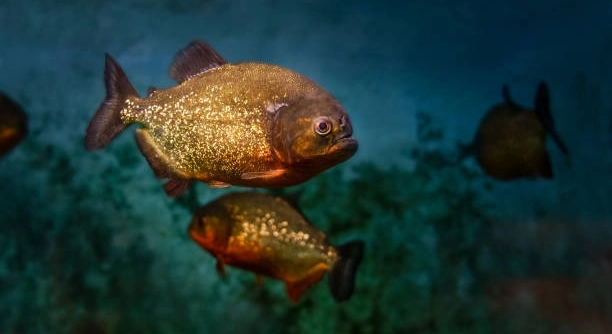
Do your piranhas seem less active lately or have you noticed fraying or missing pieces on their fins in the tank?
Fin damage in piranhas is often caused by environmental stress, poor water conditions, aggressive tank mates, inadequate diet, or infections. Identifying the exact cause is crucial for maintaining their health and preventing further complications.
Understanding the specific reasons behind this damage can help you care for your piranhas more effectively and keep their environment safe.
Poor Water Quality
Piranhas are sensitive to their environment, and poor water quality can lead to fin damage quickly. Ammonia spikes, nitrite build-up, and unstable pH levels stress the fish and weaken their immune systems. When the water isn’t clean or properly filtered, bacteria and fungi thrive, making it easier for infections to take hold. These infections often start at the edges of the fins, eventually causing them to rot or tear. It’s essential to monitor water parameters regularly and perform consistent water changes. Using a high-quality filter and avoiding overfeeding can also help maintain a clean and balanced tank environment.
Bad water can lead to more than just fin problems—it can affect your piranha’s overall health.
Fin rot is a common result of prolonged exposure to ammonia or dirty conditions. It usually appears as a fraying of the fin edges, which gradually worsens. In some cases, white or red edges may be visible, indicating a bacterial infection. If left untreated, it can progress to body tissue damage. Clean water slows the spread and allows the fins to regenerate. Regular testing kits for ammonia, nitrite, nitrate, and pH are essential tools. If you’re using tap water, a dechlorinator is necessary. Always remove uneaten food to reduce waste, and clean filters monthly to keep the system efficient.
Aggressive Tank Mates
Piranhas can be territorial, and placing them with the wrong species may cause injuries. Fights for space, food, or dominance often result in torn or bitten fins.
Some fish are simply too aggressive or too active to share a tank with piranhas. Even other piranhas may turn on each other when space is limited or if one fish is weaker than the rest. Fin-nipping can occur during feeding times or due to overcrowding. A stressed or bullied fish may hide more, eat less, and show visible fin damage. Creating a peaceful environment involves choosing compatible tank mates or even keeping piranhas in a species-only tank. If you’re keeping multiple piranhas, ensure the tank is large enough and has plenty of hiding spots. Rearranging the tank decor occasionally can help disrupt territorial claims and reduce aggression. Always watch closely for signs of conflict and be ready to separate fish if needed.
Nutritional Deficiencies
A poor diet can lead to weak, frayed fins in piranhas. When their food lacks essential nutrients like protein, vitamins, and minerals, their fins may lose strength and structure, becoming prone to damage or slower to heal.
Inconsistent feeding or relying too heavily on one food source—like feeder fish—can leave nutritional gaps. Piranhas need a balanced diet that includes high-quality pellets, frozen seafood, and occasional plant matter. Vitamin-enriched foods support fin health and boost immunity, helping them recover from minor injuries faster. A lack of variety or infrequent feedings can lead to stress and poor body condition, making them more vulnerable to infections or aggression. Providing meals at regular intervals and incorporating supplements when necessary helps meet their dietary needs. Watch for signs of malnutrition like dull coloring, slow growth, or constant hiding—these often show up before more visible issues like fin deterioration.
Feeding habits play a role too. Overfeeding creates waste, which worsens water quality, while underfeeding increases competition and fin-nipping. If multiple fish are fighting for limited food, the weaker ones often suffer. Always feed enough for every fish and remove leftovers quickly. Choose a mix of protein-rich foods, like shrimp and white fish, and use vitamin supplements weekly. With the right nutrition, fins stay fuller and healthier.
Fungal or Bacterial Infections
Fungal and bacterial infections can develop fast and often target damaged fins. They thrive in unclean environments and on fish with weak immune systems, spreading through small tears or previous injuries.
Once an infection sets in, fin edges may appear white, milky, or even bloody depending on the organism involved. These infections are usually secondary, meaning something else—like poor water or injury—happened first. It’s important to treat them as soon as signs appear. Antibacterial or antifungal medications can help, but only when the tank conditions are fixed. Otherwise, the infection keeps returning. Isolate the infected fish if possible and follow dosing instructions carefully. Clean the tank, remove waste, and monitor the other fish for similar symptoms. Keep in mind that even mild infections delay healing, so early treatment saves time and prevents further damage. Preventing infection is easier than treating one, so keep the water clean and fish healthy.
Overcrowded Tank
Too many fish in a small space leads to stress and aggression. When piranhas feel cramped, they are more likely to nip at each other’s fins, especially during feeding times or when establishing dominance.
An overcrowded tank also reduces water quality faster, increasing the risk of infections and making healing slower.
Rough Decorations
Sharp rocks, plastic plants, or rough ornaments can tear piranha fins. These injuries often happen when the fish swim fast or get startled.
Smooth decorations, soft plants, and plenty of open swimming space help reduce fin injuries. Rearranging decor occasionally can also minimize territorial disputes.
Sudden Temperature Changes
Sudden drops or spikes in water temperature can weaken your piranha’s immune system. This stress makes it harder for fins to heal and easier for infections to develop. Keep the temperature steady with a reliable heater and thermometer.
FAQ
Can piranha fins heal on their own?
Yes, piranha fins can heal on their own if the damage is minor and the environment is clean. Clean water, proper nutrition, and low stress levels all help the fins regrow. Most small tears begin to heal within a few days. However, healing takes longer if the tank conditions are poor. If fin damage doesn’t improve or worsens after a week, something else may be wrong. Infections, repeated injuries, or stress can slow recovery. You don’t need to isolate the fish unless the damage is severe or caused by aggression. Just monitor the water and feeding closely.
Should I remove a piranha with damaged fins from the main tank?
Not always. If the fin damage is small and caused by temporary stress or nipping, it’s safe to leave the fish in the main tank. But if the injuries are deep, bleeding, or look infected, isolation may help. A separate hospital tank gives the injured fish time to rest without being chased or harassed. It also lets you treat with medication more effectively. Use this option only if you have experience managing a second tank, since improper isolation can cause more stress. Always check the water quality first—many problems begin there.
What signs show that fin damage is getting worse?
Look for fraying that continues to spread, color changes in the fin, or cloudy patches that weren’t there before. Bleeding or blackened edges are also bad signs. A healthy fin injury begins to close or fade within days. If it doesn’t, or if the fish becomes less active or hides more often, it could signal infection. Watch for changes in swimming too—if the fish struggles to move properly or looks off balance, that usually means the fins are affecting mobility. Take note of any changes in behavior or appetite, as they can also reflect underlying issues.
What kind of food supports fin healing best?
A high-protein diet is best for fin recovery. Offer foods like frozen shrimp, white fish, or bloodworms. Vitamin-rich pellets are also good to use regularly. You can mix in occasional plant matter, like spinach or peas, for balance. Avoid feeding only live fish, since they offer limited nutrients and can introduce disease. Feeding small amounts multiple times a day is more effective than large meals. Some fishkeepers also use vitamin supplements once or twice a week to support tissue repair. Keep food varied and consistent while the fins are growing back.
Can water changes help improve fin damage?
Yes, regular water changes help a lot. Poor water quality is one of the biggest reasons fins get worse. Changing 25% to 30% of the tank water weekly keeps ammonia and nitrite levels low, which helps reduce stress and prevent infections. Use a dechlorinator and match the temperature during changes. Clean the substrate and filters, but don’t overdo it—too much cleaning can remove beneficial bacteria. If you notice damaged fins, check the water parameters immediately and adjust your maintenance routine if needed. Stable, clean water supports both fin healing and overall fish health.
How can I stop piranhas from nipping each other’s fins?
Give them more space and break up lines of sight in the tank. A bigger tank allows each fish to have its own territory. Add hiding spots with soft plants or smooth rocks. Feed more generously during meals to reduce competition. You can also rearrange decorations once in a while to reset their territorial boundaries. Avoid mixing piranhas of different sizes, as smaller fish are often targets. If one fish is especially aggressive, you may need to isolate it or move it to another tank. Watch behavior closely to find the cause of nipping.
Is fin rot the same as fin damage?
No, they’re different. Fin rot is an infection, often caused by bacteria or fungi. It usually starts with a tear but quickly spreads if the water is dirty or the fish is stressed. The fin edges may look fuzzy, white, or black. Fin damage, on the other hand, is usually caused by fighting, rough decor, or physical injury. Fin rot needs treatment—usually with antibacterial or antifungal medications—while clean water and rest are enough for most simple injuries. If you’re not sure which it is, look at how quickly the damage is progressing and check for other signs of illness.
Final Thoughts
Taking care of piranhas means paying attention to the small signs that something might be wrong. Fin damage is one of the clearest signals a fish can give. Whether it’s a small tear or a more serious injury, it often points to larger problems in the tank. These problems may include water quality, aggressive behavior, or stress from poor care. Noticing the damage early and understanding what might be causing it gives you the chance to fix things before they get worse. While fins can heal over time, they need the right conditions to do so safely.
Many causes of fin damage are avoidable. Keeping the tank clean, monitoring fish behavior, and providing enough space are some of the simplest ways to prevent problems. If your piranhas are fighting often, it may be time to adjust the tank setup or even separate some of the fish. Feeding a balanced diet and avoiding sharp tank decorations can also make a big difference. Every part of the tank environment affects how healthy your piranhas stay. Even small things, like uneven temperature or missed water changes, can create stress that leads to damage or illness. Consistency matters more than anything else.
Watching your piranhas recover from fin damage can be rewarding. It shows that your care efforts are working and that your tank is becoming a better place for them to live. Patience is important, as healing is slow and doesn’t always happen evenly. Some fins may never return to their exact original shape, but that doesn’t mean the fish is unhealthy. What matters most is that the damage stops spreading and the fish returns to normal behavior. Keeping up with care, avoiding overcrowding, and making thoughtful choices will help your piranhas live healthier lives.

Hello,
If you enjoy the content that we create, please consider saying a "Thank You!" by leaving a tip.
Every little bit helps us continue crafting quality advice that supports the health, happiness, and well-being of pets around the world, for pets of all shapes, sizes, and species.
We really appreciate the kindness and support that you show us!