
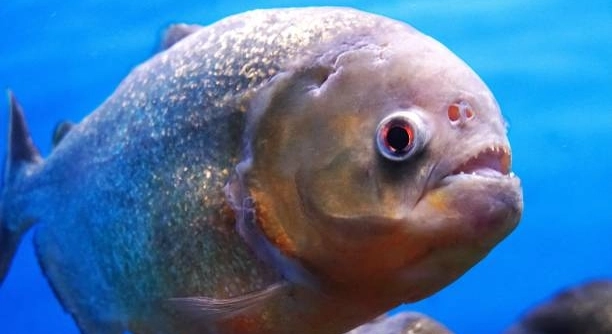
Piranha fish are known for their strong energy and quick movements. Understanding their energy levels can help in caring for them properly. This article introduces simple ways to observe and measure these energy changes effectively.
Energy levels in piranhas can be assessed through behaviors such as swimming speed, feeding response, and interaction with other fish. Monitoring these signs regularly provides insight into their health and environmental comfort, which is crucial for their care and wellbeing.
Knowing how to read these energy cues can improve your experience and support the piranhas’ needs better. The following tips offer clear, practical methods to keep track of their vitality with confidence.
Observing Swimming Patterns
Piranhas have distinct swimming habits that reflect their energy levels. When they are energetic, you will notice quick, sharp movements and active exploration around the tank. They swim in bursts and sometimes circle their environment, showing curiosity and alertness. Low energy piranhas tend to move slowly, rest at the bottom, or hide more often. This can indicate stress, illness, or an unsuitable tank environment. Keeping an eye on how they swim daily helps you spot any sudden changes. Consistency in water temperature, tank size, and proper filtration also supports healthy energy levels. Over time, you’ll become familiar with what’s normal for your piranhas, making it easier to detect when something is off.
Watching these swimming behaviors is an easy way to gauge their wellbeing. Changes can signal when to adjust care or seek advice.
Swimming patterns offer clear signs about piranha health. Active swimming means good energy, while sluggish or erratic movements suggest a need for attention. Tracking their behavior gives you a better understanding of their comfort in the tank. It also helps in preventing illness by noticing early signs of stress or disease. Remember that changes in water conditions can greatly affect activity, so regular maintenance is essential. By observing how your piranhas swim, you can ensure they stay energetic and healthy for longer.
Feeding Response as an Indicator
Piranhas show their energy through feeding habits. When full of energy, they eagerly respond to food, quickly swimming towards it and feeding aggressively. Low energy often results in hesitation or refusal to eat.
Feeding response reflects both health and environment quality.
The way piranhas eat is a strong sign of their current condition. Energetic piranhas will be alert and feed with enthusiasm, indicating good health and proper tank conditions. If your piranhas are slow to respond or avoid food, it could mean they are stressed, sick, or uncomfortable in their environment. Water quality, temperature, and diet type all affect feeding behavior. Consistent feeding times and offering varied, nutritious food help maintain their energy. Observing their reaction during feeding can quickly alert you to any issues needing attention before they worsen.
Tank Environment and Energy
A piranha’s energy is directly affected by its tank environment. Clean water, proper temperature, and enough space are essential for maintaining their vitality.
Maintaining the right tank conditions is crucial for piranha health. Poor water quality, fluctuating temperatures, or overcrowding can stress them, causing low energy or unusual behavior. Regular water changes, using filters, and monitoring temperature help create a stable environment. Piranhas prefer temperatures between 74 and 82°F (23-28°C). Providing hiding spots and enough room reduces stress and encourages natural behavior. An ideal tank allows piranhas to swim freely and feel secure, boosting their activity levels.
Besides physical factors, lighting and tank setup influence their comfort. Dim lighting can reduce stress, while overly bright light may cause restlessness. Plants and decorations also offer shelter, which supports natural instincts. A well-maintained tank environment leads to more active and healthier piranhas, making it easier to observe normal energy patterns.
Social Behavior and Energy Levels
Piranhas show energy changes through their social interactions. Active, playful behavior often means they feel secure and healthy, while lethargy may reflect discomfort or illness.
Social behavior plays a key role in energy assessment. Piranhas naturally live in groups and their interactions can indicate their wellbeing. Energetic piranhas often swim together, display dominance, and sometimes chase each other playfully. If a fish isolates itself or acts withdrawn, it might be stressed or sick. Aggression can sometimes signal territorial issues or overcrowding, which affects energy negatively. Observing how they relate to one another gives clues about the tank’s conditions and their health status. Ensuring the group size and tank setup promote balanced social behavior helps maintain good energy levels and reduces stress.
Response to Stimuli
Piranhas respond quickly to changes in their environment, showing alertness when they detect movement or new objects. This reaction reflects their energy levels and awareness.
A slow or weak response can indicate low energy or possible health issues. Watching how they react helps monitor their wellbeing.
Breathing Rate as a Clue
Changes in breathing rate reveal energy shifts. Faster gill movement usually means increased activity or stress, while slow breathing can indicate lethargy or poor water quality. Monitoring their breathing helps detect early signs of problems and ensures their environment supports healthy energy.
Body Posture and Energy
A piranha’s posture shows energy status. Upright and alert posture means good energy, while slumped or hiding positions often reflect tiredness or stress. Observing posture helps understand their condition quickly.
FAQ
How can I tell if my piranha is stressed or just tired?
Stress in piranhas often shows as erratic swimming, hiding more than usual, or refusing food. Tiredness usually comes from normal rest periods where the fish is calm and stationary but still responsive to movement around the tank. Watching their behavior over time helps distinguish stress from normal rest.
What water temperature keeps piranhas most energetic?
Piranhas thrive between 74 and 82°F (23-28°C). Temperatures outside this range can make them sluggish or overly restless. Maintaining a steady temperature within this band supports healthy energy levels and feeding habits.
Why does my piranha suddenly stop eating?
A sudden loss of appetite can indicate stress, illness, or poor water conditions. It’s important to check water quality and observe for signs of disease. Changes in tank environment or diet can also cause temporary refusal to eat.
Is it normal for piranhas to hide a lot?
Piranhas do hide sometimes, especially when they feel threatened or during rest. However, excessive hiding often signals stress, illness, or poor tank conditions. Ensuring enough hiding spots without overcrowding can reduce this behavior.
How often should I check my piranha’s energy levels?
Daily observation is best. Monitoring swimming patterns, feeding response, and social behavior regularly helps detect problems early. Small changes can be important for maintaining health.
Can poor water quality affect energy levels immediately?
Yes, poor water quality can quickly stress piranhas, causing low energy, erratic swimming, or breathing changes. Regular testing and water changes prevent these issues and keep fish active.
Does the size of the tank impact piranha energy?
Yes, cramped tanks limit movement and increase stress, lowering energy levels. Providing adequate space allows natural swimming behavior and social interaction, promoting better overall health.
What are signs of illness that affect energy?
Signs include sluggishness, loss of appetite, abnormal swimming, pale color, and clamped fins. These symptoms often mean the fish needs prompt care to avoid further energy decline.
How can diet influence piranha energy?
A balanced diet rich in protein supports their high energy needs. Poor nutrition leads to lethargy and weak immune function. Offering varied food helps keep them active and healthy.
Is it normal for piranhas to be inactive at night?
Yes, piranhas tend to rest during nighttime hours. Low activity during these times is natural, but daytime lethargy can signal problems.
How do I encourage a low-energy piranha to become more active?
Improving tank conditions, feeding high-quality food, and ensuring proper temperature can help. Reducing stressors like overcrowding or bright lights also encourages activity.
Can changes in lighting affect energy levels?
Bright or constant lighting can stress piranhas, causing low energy or hiding. Using a natural light cycle and dimming lights at night helps maintain healthy rhythms.
Are piranhas more energetic alone or in groups?
They are naturally social and often show more energy in groups. However, overcrowding leads to stress and aggression, lowering overall energy. Proper group size is important.
What is the best way to monitor piranha health daily?
Watch swimming, feeding, breathing, and social behavior each day. Keeping a simple log helps track changes and identify concerns early.
How long can piranhas stay inactive before I should worry?
If inactivity lasts more than a day or is accompanied by other symptoms, it’s time to investigate water quality, diet, and health conditions. Prompt action can prevent serious problems.
Can seasonal changes affect piranha energy?
Yes, shifts in temperature and light during seasons can impact their activity. Adjusting tank care accordingly helps maintain stable energy year-round.
Final thoughts on reading piranha energy levels highlight the importance of regular observation and good care. Piranhas show their energy through how they swim, eat, breathe, and interact with each other. Noticing changes in these behaviors early can help catch problems before they become serious. Paying attention to small details, like slower movements or less interest in food, is key. These signs give clues about the fish’s health and comfort in their environment. By understanding these signals, you can better meet their needs and support their wellbeing.
Maintaining the right tank conditions is a big part of keeping piranhas energetic. Clean water, stable temperature, and enough space all play a role. A well-maintained tank helps reduce stress and encourages natural behavior. Social factors also matter, since piranhas tend to be more active and alert when they are in groups with enough room to swim. Watching how they respond to their surroundings, including lighting and hiding spots, helps create a balanced environment. When the tank is comfortable and safe, piranhas show higher energy and better health overall.
Lastly, feeding habits are a useful way to check energy levels. Healthy piranhas usually eat eagerly and respond quickly to food. If they start refusing meals or seem slower during feeding time, it could mean something is wrong. Offering a varied, nutritious diet supports their natural energy needs. Consistency in care and observation helps catch any changes early, making it easier to address problems. Keeping track of your piranhas’ energy through behavior and environment ensures they stay strong and lively for a long time.

Hello,
If you enjoy the content that we create, please consider saying a "Thank You!" by leaving a tip.
Every little bit helps us continue crafting quality advice that supports the health, happiness, and well-being of pets around the world, for pets of all shapes, sizes, and species.
We really appreciate the kindness and support that you show us!