
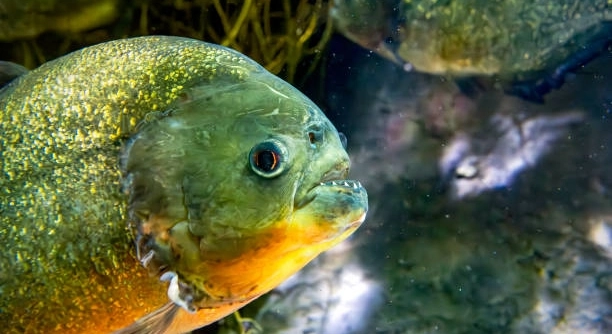
Keeping piranhas in pairs can be rewarding but requires some care and attention. These fish have unique needs that differ from many other aquarium species. Proper handling helps maintain their health and peaceful coexistence.
Successfully keeping piranhas in pairs depends on creating the right environment, providing adequate space, and monitoring their behavior closely. Consistent water quality and proper feeding routines are essential to reduce aggression and stress between the fish.
Understanding these tips can help you create a balanced and harmonious aquarium. It’s important to know the best practices to ensure your piranhas thrive together without conflict.
Choosing Compatible Piranha Species
Selecting the right piranha species is the first step to successful pair keeping. Not all piranhas get along well with others. Some species are more aggressive and territorial, while others are calmer and better suited for living with a partner. It’s important to research the specific type you want to keep. Red-bellied piranhas, for example, are commonly kept in pairs due to their social behavior in small groups. Avoid mixing species with different temperaments or sizes, as this can lead to stress or fights. Paying attention to compatibility will save you a lot of trouble later and help your fish thrive. Always buy from reputable sources that can provide healthy, compatible fish.
Proper species choice sets the foundation for peace in your tank. Knowing what pairs well helps reduce conflict and stress between your piranhas.
Learning about different piranha species’ natural behavior gives insight into how they interact in captivity. Species that naturally form small groups or pairs are less likely to be aggressive toward one another. Avoid species known for high aggression unless you have a large tank to separate them. Size matters too—keeping similarly sized fish minimizes bullying. Observing your fish closely when introducing them is key to identifying early signs of trouble. Sometimes, even compatible species need careful monitoring and adjustments to tank setup or diet to maintain harmony.
Tank Setup and Environment
A well-prepared tank is essential when keeping piranhas in pairs. The tank should be large enough to give each fish personal space. Adding hiding spots with plants, rocks, or driftwood helps reduce tension. Proper filtration and regular water changes keep the water clean, which lowers stress and aggression. Maintaining stable water temperature and pH is also important to keep piranhas healthy and calm. Lighting should not be too bright, as harsh light can increase stress. Creating an environment similar to their natural habitat encourages peaceful behavior and supports their well-being.
Providing a stable, comfortable environment allows piranhas to settle in and behave naturally.
In setting up your tank, think about space and structure carefully. Each piranha needs room to swim freely without feeling crowded. A minimum of 40 gallons is recommended for a pair, but bigger tanks are always better. Include plenty of cover areas, as piranhas like to hide and feel secure. This reduces their territorial disputes and helps them coexist peacefully. Filtration is vital since piranhas produce a lot of waste. Use a strong filter and do weekly water changes to maintain quality. Water parameters should be checked regularly, aiming for temperatures between 75-80°F and pH near neutral. Soft, slightly acidic water mimics their natural environment. Avoid sudden changes in the tank, as piranhas don’t handle stress well. Finally, dim lighting or floating plants can create shaded spots, making the tank feel safer and more natural for your fish.
Feeding and Nutrition
Piranhas need a balanced diet to stay healthy and reduce aggression. Feeding them the right food helps maintain their energy and calmness. Avoid overfeeding, as it can cause water quality issues and stress.
A mix of high-quality pellets, frozen or live foods like fish, shrimp, and insects is ideal for piranhas. These foods provide the protein they need to stay strong. Feeding small amounts two to three times a day prevents leftover food from polluting the tank. Fresh food should be given occasionally to add variety. Avoid feeding them only meat or solely plant-based diets, as this can harm their health. Consistent feeding schedules also help keep their behavior stable and less aggressive.
Changing the diet suddenly can cause stress or illness, so introduce new foods slowly. Monitoring how your piranhas respond to their diet lets you adjust portions and types of food as needed. A healthy diet supports their immune system and reduces fights caused by hunger or competition over food.
Monitoring Behavior and Interaction
Watching your piranhas regularly helps catch any signs of aggression or stress early. Pay attention to how they swim and interact with each other in the tank.
If you notice frequent chasing or biting, it may mean the pair is not comfortable or needs more space. Sometimes adding new hiding spots or rearranging the tank can ease tensions. Keep an eye on changes during feeding time, as food competition often triggers fights. Calm behavior, where both fish swim calmly and share space, shows they are adjusting well.
Tracking your piranhas’ behavior helps you make timely decisions to keep them safe. You can prevent serious injury by acting quickly when signs of aggression appear. Regular observation is key to maintaining a peaceful aquarium environment.
Tank Maintenance
Regular tank maintenance is essential to keep piranhas healthy and reduce stress. Clean the tank every week by changing about 20-30% of the water and removing any debris.
Check the filter often to ensure it’s working properly. A clean environment prevents illness and aggressive behavior caused by poor water quality.
Introducing New Fish
Introducing new piranhas to an established pair requires caution. New arrivals can upset the balance and increase aggression if not done carefully. Always quarantine new fish first to prevent disease.
Use a separate tank or floating container during introduction. Monitor interactions closely to avoid fights. Gradual introductions help your piranhas adjust better.
Recognizing Stress Signs
Stress in piranhas can cause illness and aggression. Watch for signs like faded colors, lethargy, or hiding more than usual. These behaviors indicate something is wrong in the tank.
Quickly addressing stressors, like water quality or tank setup, helps restore your piranhas’ health and peace.
FAQ
How big should the tank be for keeping piranhas in pairs?
A tank for two piranhas should be at least 40 gallons to provide enough swimming space and reduce territorial disputes. Larger tanks are better, especially if you plan to keep more fish or add decorations. More space helps each fish establish its own area, which lowers stress and aggression.
Can I keep different piranha species together?
Mixing different piranha species is not recommended. Different species have varying temperaments and sizes, which can lead to bullying and fights. Keeping the same species or closely related types helps maintain harmony. If mixing species, use a very large tank and closely watch their behavior.
What do piranhas eat in captivity?
Piranhas thrive on a diet rich in protein. Good options include high-quality pellets, frozen or live fish, shrimp, and insects. Variety is important, so offering occasional fresh food like bloodworms or small pieces of fish helps meet their nutritional needs. Avoid overfeeding and remove leftovers to maintain water quality.
How often should I feed my piranhas?
Feeding your piranhas two to three times a day with small portions is ideal. This keeps them well-nourished without polluting the tank with excess food. Stick to a regular feeding schedule to keep their behavior stable and reduce competition during feeding times.
How do I tell if my piranhas are stressed?
Signs of stress include faded colors, hiding more than usual, sluggish swimming, and loss of appetite. Aggressive chasing or biting is also a sign of discomfort. Stress can result from poor water quality, overcrowding, or sudden changes in their environment.
What should I do if my piranhas fight?
If fighting occurs, first check the tank setup for enough hiding spots and space. Rearranging decorations or adding more cover can help. Sometimes separating the fish temporarily is necessary to prevent injury. Regular observation and quick action are key to stopping fights early.
How often should I clean the tank?
Weekly partial water changes of about 20-30% help keep the tank clean and water parameters stable. Clean the filter regularly and remove any uneaten food or debris. Maintaining clean water reduces stress and disease risk.
Can piranhas live alone?
Piranhas can live alone but may become bored or stressed without company. Keeping them in pairs or small groups, if space allows, supports their social nature. However, monitor their behavior closely, as some individuals may be more aggressive in groups.
Is it necessary to quarantine new piranhas?
Yes, quarantining new piranhas for at least two weeks helps prevent the spread of disease to your established fish. Keep the new arrivals in a separate tank and observe them for signs of illness before introducing them to your main tank.
What water conditions do piranhas prefer?
Piranhas prefer slightly acidic to neutral water with a pH between 6.5 and 7.5. The temperature should be stable between 75-80°F (24-27°C). Regularly testing water parameters and avoiding sudden changes helps keep them healthy and stress-free.
Keeping piranhas in pairs can be a rewarding experience if done carefully. These fish have specific needs that must be met to ensure they live peacefully together. It is important to choose compatible species and provide enough space so each fish has its own territory. A well-set-up tank with hiding spots helps reduce aggression. Regular tank maintenance, including water changes and filter cleaning, keeps the environment healthy and stable for your piranhas. Paying attention to their behavior and acting quickly when problems arise can prevent stress and injury.
Feeding your piranhas properly is another key part of successful pair keeping. Providing a balanced diet with high-quality pellets, live or frozen foods, and occasional fresh treats keeps them strong and calm. Feeding small amounts multiple times a day prevents leftover food from polluting the tank, which can cause health issues. It also helps reduce fighting during feeding times. Watching for signs of stress, such as faded colors or hiding, allows you to make adjustments before serious problems develop.
Overall, keeping piranhas in pairs requires patience and observation. Every fish has its own personality, and what works for one pair might not work for another. Understanding their natural behavior and needs will guide you in creating a comfortable and safe home. With proper care, your piranhas can live together peacefully and thrive in their shared tank. The effort you put in will be worth it when you see your fish healthy and calm, showing their natural colors and behaviors.

Hello,
If you enjoy the content that we create, please consider saying a "Thank You!" by leaving a tip.
Every little bit helps us continue crafting quality advice that supports the health, happiness, and well-being of pets around the world, for pets of all shapes, sizes, and species.
We really appreciate the kindness and support that you show us!