
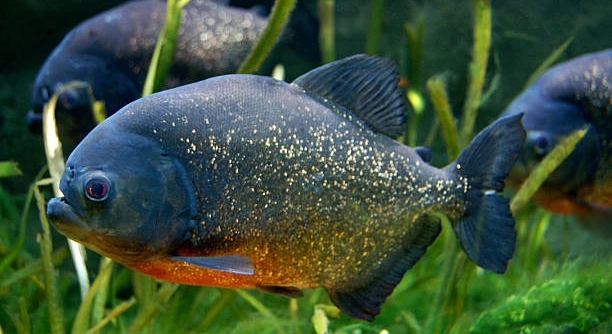
Have you ever noticed your piranha swimming less or looking sluggish in the tank, and wondered what might be causing it?
Improving piranha circulation involves maintaining optimal water temperature, reducing stress, encouraging activity, and offering a balanced diet. These factors collectively support healthy blood flow, ensuring your piranha stays energetic, alert, and in good overall condition.
Knowing these simple adjustments can help you create a more active, thriving environment for your piranha every day.
Keep the Water Warm and Consistent
Water temperature plays a key role in your piranha’s circulation. Cold or fluctuating temperatures can slow their metabolism and reduce blood flow. Aim to keep the water between 75°F and 80°F, using a reliable heater to maintain consistency. Sudden drops or spikes in temperature can stress your fish, which weakens circulation over time. Always monitor with a digital thermometer and check for heater issues regularly. Stable warmth not only improves circulation but also supports digestion, movement, and overall health. When the water stays in the ideal range, your piranha remains active, alert, and more comfortable in its environment.
Temperature control helps keep your piranha’s body functioning properly. It supports steady blood flow and boosts daily activity.
Maintaining a stable, warm temperature can also prevent infections and diseases. Cold stress can cause sluggish behavior and poor appetite. Good circulation supports stronger immunity, and keeping the water at a consistent temperature is one of the easiest ways to help.
Reduce Tank Stress
Tank stress can weaken circulation and affect your piranha’s health quickly. Loud sounds, bright lights, or frequent disruptions make them nervous. Providing a calm setup with hiding spots helps them feel secure and less tense.
A stressed piranha will often hide, avoid eating, or show signs of reduced movement. These changes are linked to poor circulation and general discomfort. Reduce tank activity by limiting sudden movements, keeping light levels low, and avoiding loud sounds nearby. Use background tank covers to limit visual disturbances and maintain a consistent light schedule. Adding driftwood or plants offers shade and shelter, making your piranha feel safer. Avoid tapping the glass or moving decorations around too often, as this disrupts their sense of territory. When your piranha feels secure, it becomes more active and social. Less stress means better blood flow and a stronger immune system. Creating a peaceful tank environment supports your fish’s overall well-being and daily function.
Encourage Regular Movement
Lack of movement can lead to sluggish circulation. Create a tank setup that encourages your piranha to swim more. Adding moderate water flow and keeping enough open space helps increase their activity levels throughout the day.
A gentle filter current can prompt natural swimming behavior without overwhelming them. Avoid strong flows that may stress them or push them around. You can also rearrange tank decorations occasionally to spark curiosity and encourage exploration. A larger tank gives more room to move, which naturally supports better circulation. Piranhas are more active when they feel secure, so keeping the tank calm and consistent is key. Add a few visual barriers like plants or rocks to make them feel safer while moving around. Consistent swimming improves heart function and blood flow, helping your fish stay alert and active.
Good circulation also helps with digestion and oxygen delivery. When piranhas move regularly, it supports overall health. Movement keeps their muscles toned and prevents buildup of waste products in the bloodstream. Regular activity also promotes mental stimulation, reducing the chance of aggressive behavior due to boredom. Watch their habits daily—if movement slows, check for signs of stress, illness, or tank changes. Encouraging daily activity plays a key role in keeping your piranha healthy.
Feed a Balanced, High-Quality Diet
Feeding your piranha a balanced diet keeps its circulatory system strong. Nutrients like omega-3 fatty acids, vitamins, and protein help maintain healthy blood vessels and muscle tone. A variety of high-quality foods supports circulation and long-term vitality.
Offer a mix of fresh, frozen, and pellet foods designed for carnivorous fish. Avoid overfeeding, which can lead to obesity and slower blood flow. Stick to a consistent feeding schedule, and provide protein sources such as shrimp, fish, and insects. Supplements containing omega-3s help strengthen the heart and blood vessels. Leafy greens or plant-based pellets can be added in small amounts for balance. Always remove uneaten food to keep water quality stable. Poor nutrition weakens circulation and slows recovery from stress or illness. Feeding a high-quality diet gives your piranha the nutrients it needs to stay active, grow steadily, and maintain strong internal functions—especially the heart and blood flow.
Maintain Clean Water Conditions
Dirty water affects oxygen levels and puts stress on your piranha’s body. Poor conditions slow blood flow and lead to health issues. Change part of the water weekly and test for ammonia, nitrite, and nitrate regularly.
A clean tank helps your piranha stay active and improves circulation. Use a strong filter, avoid overfeeding, and remove waste quickly. Consistent maintenance prevents toxins from building up, keeping their system functioning well.
Avoid Overcrowding
Overcrowding increases stress and reduces movement, which affects circulation. Piranhas need enough space to swim freely without competition. A single piranha or a small group in a large tank stays more relaxed and healthier.
Provide Gentle Filtration
Strong filters create harsh currents that can stress your piranha. Use a filter that keeps water clean but flows gently. This supports natural movement and better blood circulation without causing exhaustion.
FAQ
How often should I change my piranha’s water to support good circulation?
Regular water changes are essential for healthy circulation. Changing 20-30% of the water weekly helps keep ammonia, nitrites, and nitrates at safe levels. This prevents toxins from building up and reduces stress on your piranha’s system. Clean water improves oxygen availability, which is crucial for strong blood flow.
What is the ideal water temperature for piranhas?
The best water temperature for piranhas ranges from 75°F to 80°F. Maintaining this range supports stable metabolism and blood circulation. Temperatures below or above this range can cause sluggishness or stress, negatively affecting heart function and overall health.
Can diet really affect piranha circulation?
Yes, diet plays a significant role in circulation. Feeding high-protein foods like shrimp, fish, and insects provides essential nutrients that strengthen the heart and blood vessels. Omega-3 fatty acids, vitamins, and minerals support healthy blood flow and reduce inflammation. Avoid overfeeding to prevent obesity, which can impair circulation.
How does tank size impact circulation?
Tank size directly affects activity levels, which influence circulation. Larger tanks allow piranhas more space to swim, keeping their heart and muscles active. Overcrowding causes stress and limits movement, leading to poor circulation. Providing at least 30 gallons per adult piranha is recommended for optimal health.
Why is stress harmful to piranha circulation?
Stress raises hormone levels that constrict blood vessels, slowing circulation. Causes of stress include loud noises, sudden movements, poor water quality, and aggressive tank mates. A calm, stable environment reduces stress, supporting normal blood flow and immune function.
Is filtration important for circulation?
Proper filtration keeps water clean and oxygen-rich, essential for healthy blood flow. However, strong currents can tire piranhas and increase stress. Using a gentle filter maintains cleanliness without causing exhaustion, allowing your fish to swim naturally and keep circulation steady.
What signs show poor circulation in piranhas?
Signs include lethargy, pale or discolored gills, slow swimming, and loss of appetite. These indicate reduced oxygen delivery and possible heart strain. Immediate attention to water conditions, diet, and stress factors is necessary to improve circulation.
Can supplements improve circulation?
Supplements like omega-3 fatty acids can support cardiovascular health. While not always necessary, adding these nutrients through high-quality foods or specific supplements helps maintain vessel elasticity and reduces inflammation, promoting steady blood flow.
How often should I monitor water parameters?
Testing water parameters at least once a week is ideal. Regular checks for ammonia, nitrites, nitrates, and pH ensure stable conditions. Sudden changes can harm circulation by stressing your piranha or reducing oxygen levels.
What role does lighting play in circulation?
Consistent, moderate lighting supports natural behavior patterns. Too bright or fluctuating light can stress piranhas, causing hormonal changes that affect circulation. Using a timer to regulate light cycles helps maintain a calm environment and steady blood flow.
Can tank decorations affect circulation?
Yes, decorations influence activity. Too many or poorly arranged items can restrict swimming space and reduce exercise, leading to weaker circulation. A balanced setup with open swimming areas and hiding spots encourages movement while providing security.
How do I encourage my piranha to swim more?
Creating gentle currents and rearranging tank elements can motivate exploration. Adding plants or driftwood gives places to explore and hide. Regularly changing the environment stimulates natural activity, which improves heart health and circulation.
Is overcrowding reversible in terms of circulation damage?
Reducing crowding improves circulation over time by lowering stress and increasing movement. Once given more space, piranhas often regain strength and normal blood flow. However, prolonged overcrowding can cause lasting health issues if not addressed promptly.
How can I tell if my filter flow is too strong?
If your piranha struggles to swim against the current, hides excessively, or shows signs of stress, the flow is likely too strong. Opt for a filter with adjustable flow settings or add flow diffusers to soften currents.
Are temperature swings harmful?
Yes, frequent temperature changes stress your piranha, reducing circulation efficiency. Stable warmth allows consistent metabolism and heart function. Avoid placing tanks near windows or vents that cause temperature fluctuations.
Can tank mates affect circulation?
Aggressive or fast-moving tank mates cause stress, impacting circulation negatively. Piranhas are territorial and prefer few companions or alone. Avoid overcrowding or mixing incompatible species to keep stress and circulation issues low.
What role does oxygenation play?
Good oxygen levels support blood oxygenation, critical for circulation. Aeration devices like air stones or surface agitation increase oxygen exchange. Combined with clean water, oxygenation keeps your piranha’s blood rich and flowing well.
Is it necessary to quarantine new piranhas?
Quarantine prevents disease introduction, which can impair circulation by causing infections or stress. Isolate new fish for at least two weeks, monitor health, and maintain clean water to protect your existing piranha’s circulation and overall well-being.
Final Thoughts
Improving piranha circulation is key to keeping these fish healthy and active. Many factors influence circulation, including water quality, diet, temperature, and stress levels. Maintaining clean water with regular changes prevents toxins from building up, which supports good oxygen flow and reduces strain on the heart. A well-balanced diet rich in protein and essential nutrients strengthens blood vessels and the cardiovascular system. Temperature control within the ideal range keeps metabolism stable, which directly affects circulation. Reducing stress by avoiding overcrowding, providing gentle water flow, and minimizing sudden environmental changes helps maintain steady blood flow and overall well-being.
Consistency is important when caring for piranhas. Changes to their environment should be gradual to avoid sudden stress that can affect circulation. Monitoring water parameters regularly ensures a stable habitat that supports healthy blood flow. Providing adequate space for swimming encourages natural movement and exercise, which benefits the heart and vessels. It is also important to watch for early signs of circulation problems, such as lethargy or pale gills, and respond quickly by adjusting care routines. Using proper filtration and aeration enhances oxygen levels without causing excessive currents that could tire the fish. Attention to these details promotes a stable and supportive environment for your piranha’s cardiovascular health.
Taking care of your piranha’s circulation involves a balanced approach combining clean water, proper nutrition, suitable temperature, and low-stress conditions. Each factor works together to support a healthy heart and blood flow. Careful observation and routine maintenance will help prevent issues before they develop into serious health problems. The goal is to create an environment where your piranha can thrive, swim actively, and maintain strong circulation throughout its life. By focusing on these key aspects, you ensure your fish’s longevity and quality of life in its aquatic home.

Hello,
If you enjoy the content that we create, please consider saying a "Thank You!" by leaving a tip.
Every little bit helps us continue crafting quality advice that supports the health, happiness, and well-being of pets around the world, for pets of all shapes, sizes, and species.
We really appreciate the kindness and support that you show us!