
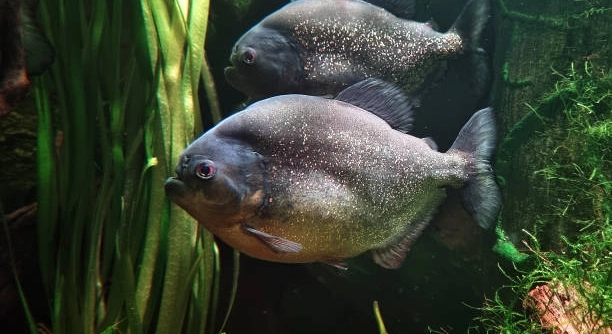
Piranhas often get a reputation for aggression, but their behavior can change with the right water conditions. Maintaining calm piranhas involves managing several factors related to their aquatic environment. Understanding these conditions helps create a peaceful tank atmosphere.
Stable water temperature, proper pH balance, adequate oxygen levels, clean water, appropriate hardness, low nitrate concentration, and consistent lighting are key factors that contribute to calm behavior in piranhas. These conditions reduce stress and promote natural, peaceful activity.
Knowing how water quality impacts piranhas supports better care and fosters a more harmonious tank environment for both the fish and their keeper.
Stable Water Temperature
Maintaining a stable water temperature is essential for keeping piranhas calm. These fish thrive best in water between 75°F and 80°F (24°C to 27°C). Sudden temperature fluctuations cause stress, leading to increased aggression and erratic behavior. Using a reliable heater and thermometer helps ensure the tank stays within this range consistently. Avoid placing the tank near windows or vents where temperature changes can occur quickly. Consistency in temperature reduces metabolic stress and keeps piranhas comfortable in their environment. This stability also supports their immune system, preventing illness that could provoke aggressive responses. Regular monitoring is necessary because even small shifts can impact behavior noticeably. Keeping temperature steady is one of the simplest and most effective ways to promote calmness in piranhas.
Stable temperature directly supports healthy fish metabolism and reduces stress-induced aggression.
Temperature management plays a vital role in tank maintenance. A sudden drop in temperature can cause lethargy, while a rise may increase activity and irritability. The use of a quality heater with a thermostat reduces the risk of these fluctuations. In addition, regular water changes should be done with water at the same temperature as the tank to avoid shock. It’s also important to acclimate new fish gradually to the tank temperature to prevent stress. Monitoring temperature daily allows for quick adjustments and avoids problems before they escalate. Consistent water temperature paired with good filtration and oxygenation creates an environment where piranhas remain calm and display natural behavior.
Proper pH Balance
The pH level of the water significantly affects piranha behavior. They prefer slightly acidic to neutral water, typically between 6.5 and 7.5 pH. Maintaining this range helps minimize stress and keeps their environment stable. Sudden changes or extreme pH values can disrupt their biological processes and trigger aggressive tendencies. Testing the water regularly with a pH kit allows for early detection of shifts. Adjusting pH should be done gradually to avoid shocking the fish. Using natural materials like driftwood or peat moss can help maintain the preferred pH level. A balanced pH promotes healthy skin and gill function, reducing irritability and potential disease risks in piranhas.
Adequate Oxygen Levels
Oxygen is critical for piranhas’ health and calm behavior. Insufficient oxygen causes stress, making them aggressive. Proper aeration ensures enough oxygen circulates throughout the tank, supporting peaceful activity.
Using an air pump, sponge filters, or power filters improves oxygen exchange at the water surface. Avoid overcrowding the tank, as too many fish can deplete oxygen quickly. Regular water changes also help maintain oxygen levels by removing waste that consumes oxygen. Monitoring dissolved oxygen with test kits can prevent unnoticed drops. Well-oxygenated water supports the fish’s metabolism and overall well-being, promoting calm and stable behavior.
Keeping water clean is essential for oxygen maintenance. Organic waste buildup reduces oxygen and increases toxins. Frequent cleaning and filtration reduce these risks, creating a balanced environment. Proper oxygen levels also help beneficial bacteria thrive, which breaks down harmful substances. These factors together prevent stress and aggression caused by poor water quality. Maintaining oxygen in this way encourages calm, natural behavior in piranhas and keeps them healthier in the long term.
Clean Water
Maintaining clean water is vital for calm piranhas. Dirty water causes stress and health problems, leading to aggressive behavior. Regular tank cleaning and filtration keep the environment stable.
Filters remove debris and harmful chemicals, but routine water changes are also necessary. Changing 20-30% of the water weekly helps reduce toxins like ammonia and nitrates. Testing water parameters regularly can guide proper maintenance. Avoid overfeeding to prevent leftover food from polluting the tank. Clean water supports strong immune systems and reduces disease risks. This creates a calmer environment where piranhas feel secure.
Good water management involves more than just filtration. Monitoring water clarity and smell indicates when cleaning is needed. Using dechlorinated water during changes prevents chemical shocks. Additionally, removing uneaten food promptly limits bacteria growth. Consistent water quality keeps piranhas comfortable, reducing stress triggers. Clean water paired with stable temperature and oxygen levels creates ideal conditions for peaceful piranha behavior.
Appropriate Water Hardness
Water hardness affects piranhas’ comfort and behavior. They prefer soft to moderately hard water, usually between 4 and 12 dGH. Too hard or too soft water can stress them and cause irritability.
Maintaining proper hardness helps keep their skin and gills healthy. Using test kits to monitor hardness ensures levels stay within range. Adjusting hardness can be done with natural additives like peat moss or crushed coral, depending on whether the water needs softening or hardening.
Low Nitrate Concentration
High nitrate levels harm piranhas and increase stress. Keeping nitrates below 20 ppm is ideal for calm fish. Regular water changes and efficient filtration reduce nitrate buildup, promoting a healthy tank environment.
Consistent Lighting
Consistent lighting supports piranhas’ natural rhythms and reduces stress. They need about 10 to 12 hours of light daily, with darkness at night for rest.
Proper lighting mimics natural conditions and prevents disorientation or aggression caused by irregular light cycles. Avoid harsh or direct sunlight, which can cause algae growth and temperature spikes. Using a timer helps maintain a regular schedule, encouraging calm behavior and better overall health in piranhas.
FAQ
What causes piranhas to become aggressive?
Piranha aggression is often a result of stress caused by poor water conditions. Sudden changes in temperature, pH, or oxygen levels can make them defensive. Overcrowding and inadequate hiding spaces also increase territorial behavior. Keeping water stable and providing enough space reduces stress and aggression.
How often should I test my tank water?
Testing water weekly is recommended to monitor temperature, pH, oxygen, hardness, and nitrate levels. Frequent testing helps detect problems early and allows timely adjustments. Use reliable test kits designed for aquarium water to maintain ideal conditions and keep piranhas calm.
Can I use tap water for my piranha tank?
Tap water can be used if properly treated. Chlorine and chloramine found in tap water are harmful to fish. Use a water conditioner to neutralize these chemicals before adding water to the tank. Testing the treated water ensures it meets piranha-friendly parameters.
How many piranhas can I keep in one tank?
A general rule is to allow at least 20 gallons per adult piranha. Overcrowding causes stress and aggression, even if water conditions are good. Adequate space helps reduce fights and gives fish room to swim and hide.
What is the best filtration system for piranhas?
A strong filter that provides both mechanical and biological filtration works best. It removes debris and supports beneficial bacteria growth that breaks down harmful waste. Filters should be sized appropriately for the tank and cleaned regularly to maintain efficiency.
Why do piranhas nip at each other?
Nipping often happens due to stress from overcrowding, poor water quality, or lack of hiding places. It may also be a way to establish dominance. Improving water conditions, adding decorations or plants for hiding, and adjusting tank population can reduce nipping.
How important is a feeding schedule?
Feeding piranhas regularly and in moderation prevents aggression caused by hunger. Overfeeding pollutes the water, while underfeeding stresses the fish. Offering food once or twice daily, removing leftovers, and varying the diet supports calm and healthy fish.
Can lighting affect piranha behavior?
Yes, irregular or overly bright lighting can cause stress and irritability. A consistent light schedule of 10 to 12 hours daily simulates natural conditions. Using a timer for lighting helps maintain this balance and promotes calmness.
What are signs of poor water quality in a piranha tank?
Signs include cloudy water, foul odor, excessive algae, and abnormal fish behavior like hiding or aggression. Monitoring water parameters regularly and performing maintenance prevents these issues.
Is water hardness difficult to manage?
Adjusting hardness requires specific materials and testing. Using natural elements like peat moss softens water, while crushed coral increases hardness. Regular testing ensures the water remains within the preferred range for piranhas.
How do I acclimate new piranhas to my tank?
Acclimate new fish slowly by floating the sealed bag in the tank to equalize temperature. Gradually add small amounts of tank water to the bag over 30 to 60 minutes before releasing them. This process reduces shock and stress.
Can poor water conditions cause disease in piranhas?
Yes, stress from unstable water weakens immune systems and makes fish more vulnerable to infections. Maintaining clean, stable water prevents most common diseases and keeps piranhas healthy.
What role does water pH play in piranha health?
Proper pH supports bodily functions and reduces stress. Piranhas prefer slightly acidic to neutral water (6.5–7.5). Sudden changes or extremes can harm them and trigger aggression.
How can I prevent nitrate buildup?
Regular partial water changes and good filtration prevent nitrate accumulation. Avoid overfeeding and remove uneaten food promptly. Keeping nitrate levels low helps maintain calm behavior.
Is it necessary to have plants or decorations in the tank?
Yes, plants and decorations provide hiding spots that reduce stress and territorial aggression. They also improve water quality by supporting beneficial bacteria and oxygen production. Choose sturdy decorations that won’t harm piranhas.
What temperature fluctuations are safe for piranhas?
Small fluctuations within 2°F (1°C) are acceptable, but sudden or large changes cause stress. Using a reliable heater and avoiding exposure to drafts or direct sunlight helps maintain stable temperatures.
How often should I perform water changes?
Weekly water changes of 20-30% remove toxins and refresh the tank. Consistency is key to keeping water parameters stable and piranhas calm.
Can tank size affect piranha behavior?
Yes, smaller tanks increase stress and aggression due to limited space. Larger tanks provide room for natural behavior, reduce competition, and help maintain water quality.
What is the best diet for keeping piranhas calm?
A varied diet including pellets, frozen or live foods supports health. Avoid overfeeding. Balanced nutrition reduces stress and aggressive behavior linked to hunger or poor health.
How long does it take for piranhas to adjust to new water conditions?
Adjustment can take several days to weeks, depending on how different the new conditions are. Gradual changes help piranhas adapt without stress. Monitoring behavior during this time can indicate how well they are settling in.
Final Thoughts
Maintaining calm piranhas requires careful attention to their water conditions. Each factor, from temperature to nitrate levels, plays a role in their behavior and overall health. Consistency in these conditions helps reduce stress and aggression. Changes should be made gradually to avoid shocking the fish. Using proper test kits to monitor water quality regularly is essential. This allows for early detection of any imbalances that could affect the piranhas’ well-being. Maintaining a stable environment promotes calm behavior and supports their natural needs.
Water hardness, pH, and oxygen levels need regular observation. Proper filtration and regular water changes remove waste and prevent harmful buildup. Feeding schedules also contribute to calmer fish by preventing hunger-related irritability. Tank size and decorations matter as well, providing space and hiding places that reduce territorial disputes. Lighting should be consistent to mimic natural day and night cycles. These combined factors create a habitat where piranhas feel secure and less likely to display aggressive behavior.
Understanding these water conditions is important for anyone keeping piranhas. It is a balance of science and care that ensures their health and calmness. While piranhas have a reputation for aggression, they respond well to stable and suitable environments. Proper maintenance helps minimize stress and aggressive tendencies. With attention to detail and patience, piranhas can live peacefully in captivity. Following these guidelines will improve their quality of life and make caring for them more manageable.

Hello,
If you enjoy the content that we create, please consider saying a "Thank You!" by leaving a tip.
Every little bit helps us continue crafting quality advice that supports the health, happiness, and well-being of pets around the world, for pets of all shapes, sizes, and species.
We really appreciate the kindness and support that you show us!