
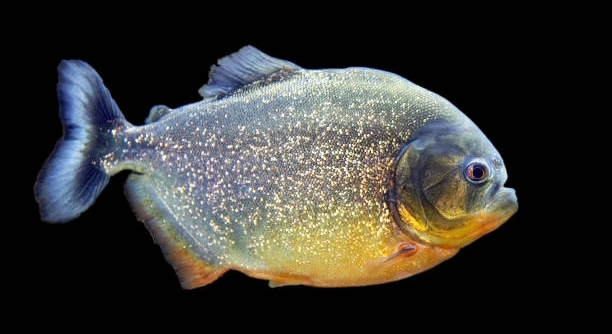
Is your piranha calm and showing signs of comfort in its tank? Recognizing when a piranha is settled can improve your care and overall experience with this unique fish. Observing behavior and environment are key indicators.
A settled piranha exhibits stable swimming patterns, regular feeding habits, and minimal signs of stress such as frantic movement or hiding. Consistent interaction with its surroundings and tank mates also indicates a well-adjusted and comfortable fish.
Knowing these signs will help ensure your piranha’s well-being and enhance your ability to maintain a healthy aquatic environment. This guide covers seven clear clues to identify if your piranha is settled.
Stable Swimming Patterns
A piranha that is settled will swim steadily and confidently throughout the tank. It will avoid sudden bursts of frantic movement or erratic darting. Instead, its swimming will appear calm and purposeful, often exploring its environment at a relaxed pace. When the fish feels secure, it will glide through the water with controlled movements, sometimes resting near plants or decorations. These behaviors indicate comfort and a lack of stress. A piranha that constantly hides or dashes around is likely unsettled or stressed, which could be a sign of an unsuitable environment or illness. Observing the way your piranha swims over time is important. Stability in movement shows it has adapted well to its surroundings and tank conditions.
Consistent and calm swimming is a good indicator that your piranha feels at ease in its tank.
Watching your piranha’s swimming behavior helps you assess its comfort level quickly. If the fish swims calmly and does not show signs of panic, it is likely settled. Healthy swimming patterns also mean the water conditions, such as temperature and cleanliness, meet the fish’s needs. Make sure to keep the tank well-maintained and observe changes in movement regularly. This simple check can prevent stress and promote a peaceful environment for your piranha.
Regular Feeding Habits
A settled piranha will eat regularly and without hesitation during feeding times. It will show interest in the food offered, whether flakes, pellets, or live feed. Unlike unsettled fish that may refuse to eat or hide during feeding, a comfortable piranha comes forward confidently. This behavior shows trust in the environment and the owner’s routine. Regular feeding habits indicate the fish is healthy, relaxed, and has accepted its habitat. If feeding patterns change, it might suggest stress or illness, requiring prompt attention to water quality or tank conditions. Monitoring feeding responses is essential to maintaining your piranha’s well-being.
Consistent eating behavior signals your piranha is comfortable and healthy.
Changes in appetite are often one of the first signs of discomfort or health issues in piranhas. A settled fish eagerly approaches food and consumes it within a reasonable time frame. If your piranha suddenly refuses food or becomes sluggish, it might be unsettled or ill. Always provide a varied diet suited to its needs and feed at regular intervals. Keeping feeding habits stable helps reinforce a positive environment and supports your fish’s overall health.
Minimal Signs of Stress
A settled piranha shows few signs of stress such as erratic behavior, constant hiding, or loss of appetite. Calm behavior and normal activity levels indicate comfort.
Stress in piranhas often results from poor water quality, overcrowding, or sudden changes in their environment. When stress levels are low, the fish display natural behavior without signs of panic. Stress can cause physical symptoms like clamped fins or rapid breathing. A settled piranha maintains a steady routine without excessive hiding or aggression. Monitoring these signs regularly allows early intervention to correct any issues, ensuring the fish remains comfortable.
Reducing stress means maintaining clean water, proper tank size, and stable conditions. Consistency in care helps the piranha feel secure. Avoid sudden changes in light or temperature. Watching your fish closely helps catch any stress-related issues before they worsen.
Interaction With Tank Mates
Settled piranhas often coexist peacefully with compatible tank mates. They show tolerance or mild curiosity instead of aggression or avoidance.
Piranhas are naturally territorial, but when settled, they display balanced social behavior. This includes swimming alongside other fish without constant chasing or bullying. Proper tank setup and enough space reduce territorial disputes. Introducing compatible species carefully helps maintain peace. If a piranha aggressively attacks or isolates itself, it may indicate stress or discomfort. Regular observation of interactions helps ensure a harmonious environment.
Providing hiding spots and visual barriers reduces conflicts. Established hierarchies form naturally when piranhas feel secure. This stability benefits the entire tank community and contributes to the fish’s overall well-being.
Resting Behavior
A settled piranha will have regular resting periods throughout the day. It often remains motionless near plants or decorations, showing contentment rather than stress.
Resting is a natural part of a piranha’s routine. When the fish feels safe, it will rest calmly without appearing lethargic or sick. Observing these quiet moments helps confirm the piranha’s comfort level in the tank.
Consistent Territory Use
Settled piranhas usually claim and use a specific area in the tank. This familiar spot serves as a safe zone where the fish feels secure and relaxed.
Establishing a territory shows the fish has adapted well. It returns to this area regularly and displays confidence within its boundaries. A stable territory reduces stress and helps maintain peaceful interactions with other fish.
Healthy Appearance
A settled piranha maintains a bright, clear appearance with intact fins and smooth scales. Dull colors or torn fins often indicate stress or illness.
Regular monitoring of your piranha’s physical condition is important. Healthy fish demonstrate that environmental and care conditions are suitable for their well-being.
FAQ
How do I know if my piranha is stressed?
Signs of stress include erratic swimming, constant hiding, loss of appetite, and physical symptoms like clamped fins or rapid breathing. A stressed piranha may also show aggression or lethargy. Watching your fish’s behavior and appearance closely will help identify stress early. Maintaining clean water, stable temperature, and proper tank size reduces stress.
What should I do if my piranha is hiding a lot?
Frequent hiding can indicate discomfort or stress. Check water quality and tank conditions first. Make sure the tank is large enough and has hiding spots for security. Avoid sudden changes in environment or lighting. If hiding continues despite stable conditions, the fish may be ill, and a veterinarian should be consulted.
How often should I feed my piranha?
Adult piranhas typically eat once a day. Feeding small amounts that they can consume within a few minutes prevents leftover food from polluting the tank. Juveniles may need feeding twice daily. A varied diet including pellets, flakes, and occasional live or frozen foods supports health.
Can piranhas live with other fish?
Yes, but tank mates should be chosen carefully. Settled piranhas tolerate some species if the tank is large and there are enough hiding spots. Avoid small, slow, or very aggressive fish. Peaceful but robust species are best to reduce territorial aggression.
How large should the tank be for a settled piranha?
A minimum of 20 gallons per adult piranha is recommended. Larger tanks provide space to reduce aggression and stress. Proper filtration and regular water changes are also important to maintain water quality.
What water conditions are ideal for piranhas?
Piranhas thrive in temperatures between 74°F and 82°F (23°C to 28°C). The pH should be slightly acidic to neutral, around 6.5 to 7.5. Clean, well-filtered water with low nitrate levels is essential for their health.
How long does it take for a piranha to settle in a new tank?
It generally takes a few weeks for a piranha to adjust. During this time, monitor behavior and feeding. Consistency in environment and care supports faster settling. Avoid frequent changes or disturbances in the tank.
Why is my piranha not eating?
Loss of appetite may be caused by stress, illness, or poor water quality. It can also happen during tank acclimation. Check water parameters and observe for other signs of distress. If the fish continues to refuse food, consult a specialist.
Is it normal for a piranha to be aggressive?
Piranhas are naturally territorial and can show aggression, especially during feeding or breeding. However, settled piranhas usually show controlled aggression, limited to defending territory rather than constant fighting. Proper tank size and environment reduce excessive aggression.
How can I encourage my piranha to settle faster?
Maintain stable water conditions, provide hiding places, and keep a consistent feeding schedule. Minimize sudden noises or movements near the tank. Patience is key, as each piranha adapts at its own pace. Regular observation helps you respond quickly to its needs.
Final Thoughts
A settled piranha shows calm behavior, stable health, and comfort within its environment. Recognizing these signs helps confirm that the fish has adapted well to its tank. It is important to keep observing the piranha’s behavior regularly to ensure it remains settled. Changes in activity, appetite, or appearance can indicate new stress or health problems that require attention. Maintaining consistent care and a suitable environment supports the fish’s well-being over time.
Proper tank conditions are essential for a piranha’s comfort. Clean water, correct temperature, and adequate space reduce stress and promote natural behavior. Providing hiding spots and ensuring the tank has enough room for territory help prevent aggression. A balanced diet tailored to the species’ needs also contributes to their health and longevity. These factors work together to create a stable habitat where a piranha can thrive.
Settling takes time, and each piranha adjusts differently. Patience and attentiveness are important throughout the process. Avoiding sudden changes and giving the fish space to establish itself will encourage confidence. If any concerns arise, quick action to improve conditions or seek expert advice can make a significant difference. Overall, a settled piranha reflects good care and a healthy environment, which benefits both the fish and the owner.

Hello,
If you enjoy the content that we create, please consider saying a "Thank You!" by leaving a tip.
Every little bit helps us continue crafting quality advice that supports the health, happiness, and well-being of pets around the world, for pets of all shapes, sizes, and species.
We really appreciate the kindness and support that you show us!