
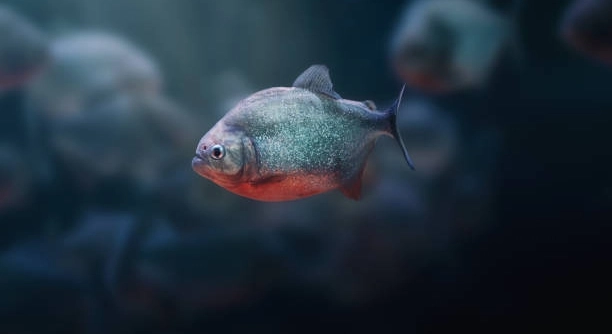
Do you ever find yourself fascinated by how certain foods can change the behavior of animals in small but noticeable ways?
Specific nutrients in certain foods can stimulate increased energy and muscle activity in piranhas, causing them to swim faster. This effect is especially noticeable when the foods are high in protein, fat, or particular amino acids.
Understanding how diet affects swimming behavior gives insight into the natural habits of piranhas and how nutrition plays a role in their daily activity.
Raw Salmon Boosts Energy Levels
Raw salmon is one of the top foods that can make piranhas swim faster. It is rich in omega-3 fatty acids and protein, both of which help support muscle function and energy levels. Piranhas that eat raw salmon often display increased movement shortly after feeding. This may be due to the quick availability of nutrients that are easy to digest and absorb. The oils in salmon can also promote smoother, more efficient muscle contraction. In a controlled setting, piranhas that are fed small portions of salmon tend to show more alert behavior and cover more ground in their tanks. Raw salmon should be fresh and offered in small quantities to avoid overfeeding. Too much fat can slow them down or cause digestive discomfort. Used properly, salmon can be a solid choice for improving swimming performance in active piranhas that need more stimulation or are kept in larger tanks.
Offer small pieces no more than once or twice a week to avoid fat buildup.
Consistency is key when feeding raw salmon. It’s not a food that should be given daily, but when rotated in thoughtfully, it has noticeable results. It’s best used to support fish that are already in good health and have strong appetites. Avoid feeding frozen or processed versions, since these often contain additives or have lost some of their nutritional value. When introducing salmon, observe your fish’s response. Some may become more territorial after a high-energy meal, so watch for changes in behavior. You’ll likely see faster swimming, quicker turns, and more time spent near the center of the tank. If your piranhas are kept with others, ensure they all have access to the food so one doesn’t dominate the meal. The goal is to support natural movement without overstimulating them.
Crickets Encourage Quick Bursts
Crickets provide a strong protein source that encourages sharp, fast movements. These quick bursts are often seen during feeding or territorial behavior.
Piranhas often respond quickly when offered live or freshly killed crickets. The rapid movement of live insects triggers a strong feeding instinct, and this quick reaction can carry over into their general swimming speed. Crickets are also high in chitin, which, although not digestible, can help improve gut motility and overall digestive health. The improved digestion allows piranhas to process energy more efficiently, especially when crickets are used as part of a balanced diet. It’s best to use gut-loaded crickets, which are insects that have been fed nutrient-rich food before being offered to the fish. These deliver added vitamins and minerals. When used properly, crickets can lead to sharper response times and faster swimming, especially in smaller or younger piranhas. Offer them as an occasional supplement, ideally during the day when the fish are most active.
Chicken Liver Triggers Aggressive Swimming
Chicken liver can quickly raise a piranha’s activity level. It is full of iron and B vitamins, which support blood flow and energy. The texture and smell also stimulate fast and focused feeding responses.
When raw chicken liver is introduced, piranhas often respond with sudden and intense swimming. This food’s soft texture allows it to release scent into the water more quickly than other proteins, which helps activate their natural hunting instincts. Because liver is also easy to tear apart, the feeding process becomes more active and aggressive. This translates into bursts of speed, especially when several piranhas are involved. However, liver should only be given occasionally, since it is high in fat and can foul the water if uneaten pieces are left behind. Offering it once every couple of weeks in small amounts keeps your fish excited without disrupting their digestion or tank cleanliness.
Always remove leftovers after feeding. Chicken liver spoils quickly and can lower water quality if left in the tank too long. The strong scent that makes it appealing is also what makes it risky. A clean environment is still important when trying to improve swimming performance. Rinse the liver before feeding and cut it into small, easy-to-manage chunks. Some piranhas may not take to it right away, so introduce it slowly alongside foods they already know. Over time, this can become a high-energy treat. When used properly, it supports short bursts of speed and more active feeding behaviors.
Bloodworms Support Light Speed Movement
Bloodworms are a convenient high-protein option that supports quick swimming without overwhelming the fish’s system. They are gentle on digestion and are especially good for smaller or younger piranhas.
Frozen or live bloodworms are easy to portion and rarely go uneaten, which keeps the tank clean while still encouraging movement. These worms contain essential amino acids that support muscle tone and recovery, especially in fast-moving species like piranhas. Bloodworms are also low in fat, which makes them a good choice for frequent use without slowing the fish down. When offered during daylight hours, bloodworms often lead to quick snaps and fast darting motions across the tank. While they don’t stimulate as much aggressive energy as larger prey, they do help maintain consistent, fast movement and sharp turns. This makes them ideal for regular feeding, especially when mixed with other high-energy proteins like crickets or fish.
Shrimp Sparks Quick Reflexes
Shrimp is packed with protein and minerals that help support muscle activity and coordination. When offered raw or lightly cooked, it encourages fast swimming and sharp directional changes.
Because of its firm texture, shrimp takes longer to chew, keeping piranhas moving for longer periods. It’s also easy to portion.
Sardines Increase Endurance
Sardines are rich in healthy fats, protein, and essential nutrients like vitamin D. These nutrients help improve stamina and maintain energy levels during active periods. Unlike heavier meats, sardines offer long-lasting fuel without weighing the fish down. They are especially helpful for older piranhas that may not respond as quickly to faster prey. Use sardines in small portions, ideally cut into bite-sized pieces to prevent overeating and ensure easy digestion. Fresh or canned (in water only) versions both work, but avoid seasoned or salted varieties. When rotated into a weekly feeding plan, sardines help sustain active swimming across longer stretches of time.
Tuna Triggers Fast-Paced Feeding
Tuna is a dense, high-protein food that stimulates rapid feeding responses. It works best when used sparingly due to its richness and strong scent.
FAQ
Can I feed these foods every day to my piranhas?
No, it’s not a good idea to feed these high-protein or rich foods daily. Piranhas need variety, and too much of any one food can lead to health issues like fatty liver, bloating, or poor digestion. Most of the items listed—such as liver, tuna, or salmon—are better used as supplements to their regular diet, not the main focus. A good routine is rotating different protein sources across the week, with leaner options like bloodworms used more regularly, and fattier ones like sardines or liver only once every 7–10 days. Always watch how your fish respond and adjust as needed.
What should be their main diet if these are only additions?
Their base diet should be made up of high-quality commercial pellets made specifically for carnivorous fish. These provide balanced nutrition that is harder to get consistently from fresh food alone. Pellets help cover basic vitamin and mineral needs, while the foods listed in this article can be used to improve energy or encourage natural hunting behaviors. Think of it like a 70/30 ratio—70% pellets, 30% fresh proteins across the week. This keeps their diet well-rounded and easy to manage without losing the benefits of natural protein sources.
Do these foods work for all types of piranhas?
Most of the foods listed will benefit common species like red-bellied piranhas, black piranhas, and piraya. However, younger fish and smaller types may need smaller portions or softer options. For example, bloodworms and crickets are safer for juveniles, while something like chicken liver or sardines is better suited for full-grown adults. Always cut food into appropriate sizes to prevent choking or overfeeding. If your piranhas live in groups, make sure food is spread out across the tank to reduce competition and stress.
How quickly will I see a change in their swimming speed?
Changes can show up quickly—often within an hour of feeding—especially with fast-acting foods like shrimp or raw salmon. You might notice faster darting, more laps around the tank, or increased interaction with tankmates. That said, long-term effects depend on consistent feeding and overall tank conditions. Water quality, tank size, and stress levels all play a part. The food helps, but it’s one part of a bigger picture. If your fish are healthy and active already, these foods can enhance movement. If they’re sluggish, look at all factors—not just the diet.
Can I feed frozen versions of these foods?
Yes, frozen versions are fine for most of them, especially bloodworms, shrimp, and salmon. Just make sure they’re plain and not seasoned or preserved with additives. Always thaw the food fully and rinse it in tank-safe water before offering it. Some nutrients may be lost in freezing, but the food will still provide enough benefit to improve swimming energy. Avoid frozen foods that have been sitting for too long, as their texture and nutrient content can degrade over time.
How can I avoid overfeeding when using these foods?
Start small. Offer a tiny piece at a time and watch how quickly it’s eaten. Only feed what your piranhas can finish within 1–2 minutes. Remove uneaten food right after feeding to keep the water clean. Overfeeding causes waste buildup, which can slow down your fish and lead to illness. Using tweezers or tongs can help you control the portion better and spread it around the tank. This also lets you monitor which fish are eating and which aren’t, especially in group setups.
Are there any foods I should never feed piranhas?
Yes, avoid feeding them fatty red meats like beef or pork, processed meats like sausage or ham, and anything with salt, spices, or seasoning. Also stay away from feeder fish, which can introduce parasites or diseases. While piranhas are known to eat meat in the wild, it’s better to stick to clean, controlled food sources. Raw chicken, if unclean or poorly handled, can also be risky, so it should be used with care and not as a regular meal.
What if my piranhas don’t eat the new food?
Give them time. Piranhas can be cautious around new smells or textures. Try mixing the new food with something familiar, or offer it when they’re most active—usually late morning or early evening. Don’t leave food in the tank for too long if it goes uneaten. Try again later or introduce it in smaller portions. Sometimes, skipping a meal helps build appetite. Be patient and observe their reaction over several days.
Final Thoughts
Feeding piranhas the right foods can do more than just keep them full. It can change how they move, how active they are, and how they interact with their environment. Foods like raw salmon, chicken liver, and crickets give them a boost in energy. Others, like sardines and bloodworms, help them stay active for longer periods. Each type of food offers something different. That’s why variety matters. By rotating these foods and using them in small amounts, you can support their health while also encouraging more natural and exciting behavior in the tank.
Not every food needs to be used often. Some are better as occasional treats, while others can be included more regularly. Chicken liver and tuna, for example, are rich and should only be offered once in a while. Bloodworms and shrimp are easier to digest and can be fed more often. Watching how your piranhas react to each food helps you learn what works best. Some may swim faster or act more alert after one type of food, while others may show more interest in a different one. Keep an eye on how much they eat and how they behave afterward. This can guide your future feeding choices.
Keeping the tank clean is also very important when using fresh or raw foods. Uneaten pieces can spoil quickly and lower water quality. Always remove leftovers and avoid giving too much at once. Balance is the goal. Feeding your piranhas should help them stay healthy, active, and strong—not just full. Using the foods mentioned in this article in the right way supports both their physical activity and overall well-being. It’s also rewarding to see your fish more engaged and responsive. Whether you’re working with young or adult piranhas, adding variety and paying attention to how they respond will help you create a feeding plan that brings out their best.

Hello,
If you enjoy the content that we create, please consider saying a "Thank You!" by leaving a tip.
Every little bit helps us continue crafting quality advice that supports the health, happiness, and well-being of pets around the world, for pets of all shapes, sizes, and species.
We really appreciate the kindness and support that you show us!