
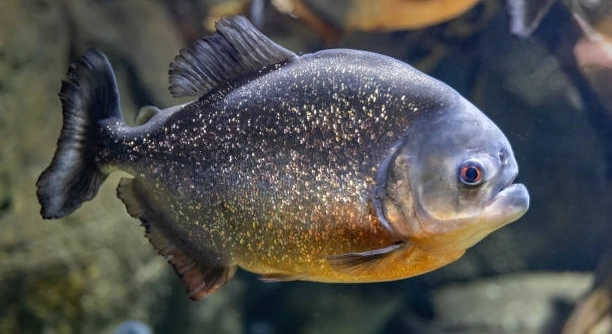
Piranhas are fascinating fish known for their sharp teeth and aggressive behavior. Their growth rates vary depending on several environmental and biological factors. Understanding these growth patterns can help in studying their ecology and management.
Piranha growth rates depend on species, water temperature, food availability, and habitat conditions. Typically, they grow rapidly in warm, resource-rich environments but slow down when conditions become less favorable. Growth patterns also differ between juvenile and adult stages.
These facts reveal important insights about how piranhas develop and survive. Knowing more about their growth can enhance both scientific knowledge and aquarium care.
Factors Affecting Piranha Growth Rates
Piranha growth rates are influenced mainly by water temperature, diet, and habitat quality. Warmer water speeds up their metabolism, leading to faster growth. When temperatures drop, their growth slows down significantly. Nutrition also plays a key role. Piranhas that have access to a varied and abundant diet grow faster than those with limited food. Habitat conditions, such as water cleanliness and space, affect their health and development. Poor water quality can stunt growth or cause illness. Additionally, competition for food and space impacts how quickly individual piranhas grow. Younger piranhas generally grow faster than adults as they require more energy for development. Seasonal changes also influence growth, with rates typically higher during the warmer months when food is plentiful.
Environmental factors combined determine the overall growth pattern of piranhas in their natural habitat.
Understanding these influences helps in managing piranha populations both in the wild and in captivity.
Growth rates vary widely depending on the specific combination of these conditions.
Measuring Piranha Growth in the Wild
Measuring piranha growth in their natural habitat involves regular tracking of individual fish. Researchers often capture and measure piranhas at different times to record their length and weight. This method helps in understanding how environmental changes affect growth over time. Tagging fish with unique identifiers allows for better tracking without repeated capture stress. In addition, water quality and food availability are monitored to correlate with growth data. Such studies are vital for maintaining balanced ecosystems where piranhas live, as rapid growth can impact prey populations. Field research gives practical insights that aquarium studies may not fully replicate. Data collected helps conservationists and scientists predict changes in population dynamics and address environmental challenges more effectively.
Wild measurements reveal realistic growth patterns influenced by natural environmental pressures.
These methods provide accurate data essential for sustainable management of piranha species.
Growth Rate Differences Among Species
Different piranha species show varying growth rates. Some species grow quickly within the first year, while others take longer to reach full size. These differences are mostly genetic but can be influenced by environmental factors.
Species like the red-bellied piranha tend to grow faster under ideal conditions. Others, such as the black piranha, have slower growth rates. These variations affect their behavior and feeding habits. Understanding these differences is important for both ecological studies and aquarium care, as growth rates impact how they interact with their environment and other species.
Growth rate variations can also determine the lifespan and reproductive maturity of each species. Faster-growing species may reach breeding age sooner, while slower growers might invest more in survival. This knowledge helps in planning conservation efforts and maintaining balanced ecosystems where multiple species coexist.
The Role of Food Availability
Food availability is a critical factor in piranha growth. A consistent and nutritious diet supports faster development and better health. When food is scarce, growth slows, and fish may become more aggressive to compete.
In the wild, piranhas consume fish, insects, and plant material, adjusting their diet based on what is accessible. In captivity, providing a balanced diet that mimics their natural food helps maintain optimal growth rates. Overfeeding or poor-quality food can lead to health problems or stunted growth, so careful management is necessary.
Seasonal changes often affect food availability, causing fluctuations in growth. During rainy seasons, food is plentiful, promoting rapid growth, while dry seasons may limit resources. These natural cycles create patterns in piranha populations, influencing their survival and reproduction over time.
Impact of Water Temperature
Water temperature directly affects piranha metabolism. Higher temperatures speed up metabolic processes, encouraging faster growth. Cooler water slows their metabolism, reducing growth rates.
Temperature changes also influence feeding behavior. Piranhas eat more actively in warmer water, supporting quicker development. Consistent temperatures promote steady growth, while fluctuations can cause stress and irregular growth patterns.
Juvenile Versus Adult Growth Rates
Juvenile piranhas grow much faster than adults. During their early stages, they focus on rapid size increase to avoid predators and reach maturity. Once adults, growth slows significantly as energy shifts toward reproduction and maintenance rather than size.
This difference in growth phases is common in many fish species, reflecting the balance between survival needs and reproductive strategies.
Effects of Habitat Quality
Poor habitat quality can stunt piranha growth. Polluted or overcrowded environments limit oxygen and food availability, which directly impacts their development.
Maintaining clean, spacious habitats supports healthy growth and overall well-being.
FAQ
How fast do piranhas grow in captivity compared to the wild?
Piranhas generally grow faster in captivity if their environment is well-maintained. They have consistent access to food, stable temperatures, and fewer predators or competition. In the wild, growth rates depend heavily on food availability, water quality, and seasonal changes, which can slow down development. However, poor captive conditions like overcrowding or inadequate nutrition can stunt growth and cause stress.
What is the average size of a fully grown piranha?
Most adult piranhas range between 12 to 25 centimeters (5 to 10 inches), though some species can grow larger. Their size depends on species and environmental factors. For example, red-bellied piranhas typically grow closer to 30 centimeters in ideal conditions, while smaller species remain under 20 centimeters.
Do piranhas continue to grow throughout their lives?
Piranhas grow rapidly during their juvenile phase and slow down after reaching maturity. While they may continue to grow slightly throughout adulthood, the rate is minimal. Energy in adult piranhas is more focused on reproduction and survival rather than size increase.
What role does diet play in piranha growth?
Diet is crucial. A high-protein diet consisting of fish, insects, and crustaceans supports faster and healthier growth. In captivity, feeding a variety of fresh or frozen foods can mimic natural nutrition. Poor diets or inconsistent feeding schedules can stunt growth and lead to health problems.
Can water quality affect growth rates?
Yes, water quality significantly impacts growth. Clean water with appropriate oxygen levels and stable pH promotes healthy development. Polluted or low-oxygen environments stress piranhas, slowing their metabolism and growth. Regular water changes and filtration are important in captivity.
How does temperature influence piranha growth?
Warmer water raises metabolism, leading to faster growth, while cooler temperatures slow it down. Consistent temperatures within their natural range help maintain steady growth. Large fluctuations can cause stress, making growth irregular or stunted.
Why do some piranhas grow faster than others in the same environment?
Genetics play a big role, alongside access to food, social hierarchy, and individual health. Dominant fish often get more food, growing faster. Stress and illness in some fish can also reduce growth. Even with similar conditions, individual differences cause growth rate variation.
Are there specific times when piranhas grow the fastest?
Yes, piranhas grow fastest during their juvenile stage when rapid development is critical. Seasonal changes like warm, wet seasons increase food availability, encouraging quicker growth. In colder or drier periods, growth tends to slow as resources become scarce.
How can growth rates help in piranha conservation?
Understanding growth rates allows scientists to monitor population health and predict how environmental changes affect piranhas. It helps identify threats like habitat loss or pollution. Managing growth conditions supports efforts to maintain balanced ecosystems and sustainable populations.
What signs indicate unhealthy growth in piranhas?
Slow or stunted growth, lethargy, poor appetite, and abnormal swimming behavior can indicate problems. These signs often relate to poor diet, water quality issues, or disease. Early detection is key to correcting problems and promoting recovery.
Is rapid growth always good for piranhas?
Not necessarily. Extremely fast growth due to overfeeding or unnatural conditions can cause health issues like deformities or weakened immune systems. Balanced growth that matches natural conditions is best for long-term health and survival.
Can piranhas regenerate if their growth is stunted early on?
Partial recovery is possible if conditions improve. Healthy diets, clean water, and proper space help piranhas catch up in growth. However, severe early stunting might limit full recovery. Prevention by maintaining good conditions from the start is ideal.
How do social factors affect piranha growth?
Social dynamics influence feeding opportunities and stress levels. Dominant individuals may grow faster because they access more food. Subordinate piranhas might face stress or restricted feeding, slowing their growth. Maintaining appropriate group sizes helps reduce competition and supports better growth for all.
Do piranhas grow differently in freshwater versus brackish water?
Piranhas are primarily freshwater fish and thrive in such environments. Exposure to brackish or salty water can stress them and hinder growth. Maintaining appropriate freshwater conditions is essential for their health and development.
Can piranha growth rates indicate the health of their habitat?
Yes, growth rates reflect environmental quality. Consistent, healthy growth suggests stable habitat conditions, while stunted growth points to problems like pollution or food scarcity. Monitoring growth helps assess ecosystem status and guides conservation actions.
What is the lifespan of piranhas in relation to their growth?
Piranhas typically live between 10 to 15 years. Rapid early growth helps them reach maturity faster, which is essential for reproduction. Once mature, growth slows but maintaining health through steady growth supports longevity. Poor conditions can shorten their lifespan.
Final Thoughts
Piranha growth rates vary widely depending on many factors. Species differences, diet, water temperature, and habitat quality all influence how quickly these fish develop. Growth is generally faster during their juvenile stage and slows once they reach adulthood. Understanding these factors helps in both caring for piranhas in captivity and conserving wild populations. Keeping their environment stable and providing proper nutrition are essential for healthy growth.
Growth rates can tell us a lot about the health of piranha populations and their ecosystems. When piranhas grow well, it often means their habitat is balanced with enough food and good water quality. On the other hand, stunted growth may indicate environmental stress or poor living conditions. Paying attention to these signs helps scientists and caretakers make informed decisions. This knowledge also supports efforts to maintain natural habitats and improve captive care practices.
Managing growth in piranhas is important for their survival and well-being. Too rapid growth caused by unnatural conditions can cause health problems, while slow growth due to poor care can weaken the fish. The goal is to maintain a natural, balanced environment that allows piranhas to develop at a healthy pace. This benefits their overall health, longevity, and ability to reproduce. Keeping these points in mind ensures that piranhas thrive both in the wild and under human care.

Hello,
If you enjoy the content that we create, please consider saying a "Thank You!" by leaving a tip.
Every little bit helps us continue crafting quality advice that supports the health, happiness, and well-being of pets around the world, for pets of all shapes, sizes, and species.
We really appreciate the kindness and support that you show us!