
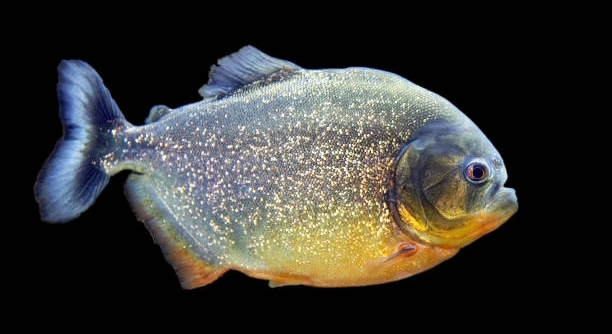
Piranhas are popular fish for many aquarists due to their unique behavior and appearance. Setting up a proper tank is essential for their health and comfort. Tank depth plays an important role in creating a suitable environment for these fish.
Piranhas prefer moderate to deep tanks, typically between 18 to 24 inches in depth. This range provides them with enough space to swim comfortably and reduces stress while maintaining water quality and stability. Too shallow or excessively deep tanks may negatively affect their behavior.
Understanding piranha tank depth preferences can help you create a balanced habitat. This article will guide you through key points to consider when setting up your aquarium for these fascinating fish.
Ideal Tank Depth for Piranhas
Piranhas need enough space to swim freely without feeling cramped. A tank depth between 18 and 24 inches works well because it mimics their natural environment. Too shallow tanks limit their movement, which can cause stress and aggressive behavior. On the other hand, very deep tanks can make it harder to maintain consistent water temperature and oxygen levels. Proper depth also helps with filtration efficiency, keeping the water cleaner for longer. When you set up your tank, think about the size of your piranhas and how many you plan to keep. More fish require more space overall, but depth remains a critical factor. Providing the right depth supports natural swimming patterns and helps reduce territorial disputes. Overall, balanced tank depth contributes to healthier, calmer fish, which makes caring for them more enjoyable.
Proper tank depth supports piranha health and behavior by offering enough swimming space and maintaining stable water conditions.
Adjusting tank depth according to fish size and number improves the environment, making your piranhas less stressed and more active. This leads to better interactions among the fish and easier tank maintenance. Depth also affects how light penetrates the water, which can influence plant growth if you have live plants. Keeping these factors in mind helps you create a more natural and comfortable space for your piranhas.
Effects of Too Shallow or Too Deep Tanks
Shallow tanks often cause stress for piranhas because they feel exposed and restricted. They may become more aggressive or hide more. Conversely, tanks that are too deep can create problems with oxygen circulation and temperature control, which are essential for their wellbeing. Balancing depth is important to avoid these issues.
Too shallow tanks restrict movement, while overly deep tanks challenge water stability and fish comfort.
In shallow tanks, water temperature can fluctuate quickly due to less volume, leading to an unstable environment. Piranhas might swim erratically or refuse to eat if they feel insecure. Deep tanks need strong filtration and aeration systems to keep oxygen levels high at lower depths. Also, feeding can become tricky if the fish stay near the bottom or top, avoiding middle areas. Monitoring and adjusting depth helps prevent these problems, ensuring piranhas remain healthy and stress-free. By providing the right tank depth, you support their natural behaviors, reduce conflicts, and maintain good water quality. This balance makes a big difference in keeping piranhas thriving in captivity.
Water Movement and Tank Depth
Piranhas prefer tanks with gentle water movement. Strong currents can stress them and make swimming difficult. The right tank depth helps maintain balanced water flow.
Water circulation in a tank depends on its size and depth. In deeper tanks, water movement may be slower at the bottom, which can lead to poor oxygen levels if not managed well. Shallow tanks usually have more uniform flow but can create strong surface currents. Adjusting the filter output and placing decorations strategically helps create a calm environment. This is important because piranhas prefer steady, moderate water flow that resembles their natural river habitats. Proper water movement prevents debris buildup and supports fish health.
Maintaining moderate water movement at the right tank depth ensures oxygen distribution and reduces stress. It also helps keep the tank clean and stable, promoting a healthier habitat for piranhas.
Impact of Tank Depth on Lighting and Temperature
Tank depth influences how light penetrates the water, affecting both fish and plants. Deeper tanks reduce light intensity at the bottom, which can help piranhas feel more secure. However, it may limit plant growth if you keep live plants.
Temperature control becomes more manageable with proper tank depth. Shallow tanks heat up and cool down quickly, causing fluctuations that stress piranhas. Deeper tanks hold temperature more steadily but require efficient heaters and monitoring. Consistent water temperature supports piranha metabolism and immune health. Using a thermometer and adjusting heater settings helps maintain stable conditions. Combining appropriate depth with controlled lighting and temperature creates a balanced, comfortable environment, encouraging natural behavior and long-term health for your fish.
Substrate and Tank Depth
The choice of substrate can affect how deep the tank feels to piranhas. Fine sand or smooth gravel works best because it’s gentle on their bodies. Rough substrates can cause injury, especially if the tank is shallow.
Deeper tanks allow for thicker substrate layers, which help with biological filtration and plant rooting. This supports a healthier environment overall.
Behavioral Influence of Tank Depth
Piranhas use tank depth to establish territory and reduce stress. In a well-sized tank, they can spread out and avoid constant confrontation, leading to calmer fish.
Maintenance and Tank Depth
Deeper tanks often require more effort to clean, as debris can settle in lower areas. Proper filtration and regular vacuuming are necessary to keep water quality high.
FAQ
What is the best tank depth for piranhas?
The best tank depth for piranhas is generally between 18 and 24 inches. This range gives them enough space to swim comfortably and mimics their natural habitat well. It helps keep the water stable in temperature and oxygen levels, which are crucial for their health. A tank that is too shallow can cause stress because piranhas feel exposed, while a tank that is too deep may make it harder to maintain good water quality.
Can piranhas live in shallow tanks?
Piranhas can survive in shallow tanks, but it’s not ideal. Shallow tanks limit their swimming space, which may increase stress and aggression. Water temperature and oxygen levels also fluctuate more easily in shallow tanks, creating an unstable environment. If you choose a shallow tank, be prepared for more frequent water changes and careful monitoring to keep the fish healthy.
How does tank depth affect piranha behavior?
Tank depth influences how piranhas establish territory and interact. In tanks with adequate depth, they can spread out more, reducing conflicts and stress. Shallow tanks may lead to aggressive behavior because the fish feel crowded and exposed. Proper depth also allows natural swimming patterns, which keeps them active and less prone to health problems.
Does tank depth impact water temperature?
Yes, tank depth affects how water temperature changes. Shallow tanks warm up and cool down quickly, which can cause stress to piranhas. Deeper tanks hold temperature more steadily but require a reliable heater to maintain proper warmth. Stable temperatures support healthy metabolism and immune function in piranhas.
Is deeper always better for tank depth?
Not necessarily. While deeper tanks can provide more stable environments, they also require stronger filtration and aeration systems. Very deep tanks may create low oxygen zones near the bottom if circulation is poor. Balancing depth with good water movement and maintenance is important for fish health.
How does substrate choice relate to tank depth?
Substrate depth often increases with tank depth. Deeper tanks allow thicker layers of sand or fine gravel, which help with biological filtration and plant growth. Using a soft substrate prevents injury to piranhas and supports natural behaviors like digging or resting near the bottom.
Can lighting be affected by tank depth?
Yes, deeper tanks reduce light penetration at lower levels, which can create shaded areas. This can be comforting for piranhas, as they prefer some cover and less direct light. However, if you have live plants, deeper tanks may limit their growth unless you use strong lighting systems.
What maintenance challenges come with different tank depths?
Shallow tanks are easier to clean but may require more frequent water changes due to faster temperature and oxygen fluctuations. Deeper tanks need more effort to maintain, especially in cleaning the substrate and ensuring good water circulation. Proper filtration and vacuuming are essential for any tank depth.
How does tank depth affect feeding?
In tanks with balanced depth, piranhas can feed naturally across different levels. If the tank is too shallow or too deep, feeding behavior might be affected as fish avoid certain areas. Proper depth encourages natural hunting and feeding patterns, keeping fish healthier.
Can tank depth influence piranha health long-term?
Yes, providing the right tank depth supports stable water conditions, natural behavior, and lower stress levels. All these factors contribute to stronger immune systems and overall better health for piranhas. Ignoring tank depth can lead to chronic stress, illness, and shortened lifespan.
If you keep these points in mind, your piranhas will have a better environment to thrive in, and you’ll enjoy a smoother aquarium experience.
When setting up a tank for piranhas, tank depth is an important factor to consider. The right depth gives these fish enough space to swim comfortably and behave naturally. Tanks that are too shallow or too deep can cause problems with their health and behavior. A moderate depth, usually between 18 and 24 inches, works best to create a stable environment. This size helps maintain water quality, temperature, and oxygen levels, which are essential for keeping piranhas healthy. It also allows them to move around freely without feeling cramped or stressed.
Depth also affects other important parts of a piranha’s environment. For example, water movement in the tank changes depending on how deep the tank is. Piranhas prefer gentle water flow, so having the right depth can help keep the water circulation steady and calm. Lighting is another factor influenced by depth. Deeper tanks reduce light reaching the bottom, which can make fish feel more secure but may limit plant growth if you have live plants. Temperature control works better in a tank with the right depth, as shallow tanks tend to have quick changes in temperature, which can stress the fish. Proper substrate choice and tank maintenance also relate closely to depth, helping create a cleaner, healthier home for your piranhas.
Overall, choosing the right tank depth supports the well-being of your piranhas and makes caring for them easier. It reduces stress, supports natural behavior, and helps keep water conditions stable. While setting up a tank may seem simple, paying attention to details like depth makes a big difference in how your fish live and thrive. If you keep the right balance in mind and maintain the tank regularly, your piranhas will have a comfortable, safe environment. This will help you enjoy watching them and make your aquarium experience much more rewarding.

Hello,
If you enjoy the content that we create, please consider saying a "Thank You!" by leaving a tip.
Every little bit helps us continue crafting quality advice that supports the health, happiness, and well-being of pets around the world, for pets of all shapes, sizes, and species.
We really appreciate the kindness and support that you show us!