
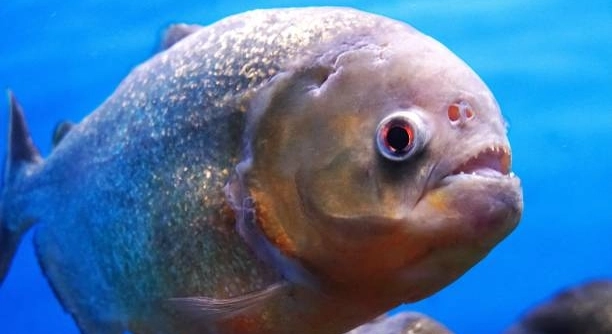
Piranhas are often seen as fierce fish, but their behavior around humans is varied and interesting. They react in different ways depending on the situation and their environment. Understanding these reactions helps us learn more about these misunderstood creatures.
Piranhas show a range of reactions to human presence, including curiosity, avoidance, aggression, defensive displays, schooling behavior, cautious inspection, and sometimes indifference. These responses depend on factors such as species, hunger level, and environmental conditions.
Knowing how piranhas respond to humans can improve safety and appreciation when observing them in the wild or in captivity. Their behavior is more complex than many people realize.
Curiosity in Piranhas
Piranhas often show curiosity when humans approach their habitat. They may swim closer to investigate without showing immediate aggression. This behavior usually happens when the water is clear and the fish feel secure. Young piranhas are especially likely to inspect unfamiliar objects, including humans. Their curiosity helps them learn about potential threats or food sources. However, this does not mean they are always dangerous. In fact, curious piranhas often maintain a safe distance and observe quietly. Understanding this reaction can reduce unnecessary fear and help people interact safely around these fish. It also shows that piranhas are more cautious than aggressive by nature.
Curiosity helps piranhas gather information. They swim slowly and watch movements carefully. This behavior is common in calm water conditions.
When piranhas show curiosity, it often signals they are assessing the situation. This cautious approach prevents unnecessary conflict. They use sight and movement cues to decide if humans pose a threat. Observing this behavior gives insight into their natural instincts and helps promote safer encounters with these fish.
Defensive Displays
Piranhas use defensive displays to warn off potential threats. These displays can include sudden swimming movements, opening their mouths wide, or showing their sharp teeth. The behavior is a clear signal meant to scare away intruders, including humans. When feeling threatened, piranhas may also raise their bodies or swim aggressively toward the source of danger. These actions rarely lead to attacks unless the fish feel cornered or provoked. Defensive displays are a natural way for piranhas to protect themselves and their territory.
Defensive behaviors are a warning and usually prevent actual attacks.
These displays are common when piranhas are guarding nests or food. They increase their intensity if the threat persists. Such behavior ensures that piranhas keep their space safe without immediate violence. People who understand these signs can avoid provoking the fish. Recognizing defensive displays allows for respectful observation, minimizing stress for both humans and piranhas. These reactions highlight the fish’s instinct to survive while avoiding unnecessary fights.
Avoidance Behavior
Piranhas often avoid humans by swimming away when approached. This reaction helps them stay safe and reduces conflicts.
Avoidance is common in areas where piranhas have little reason to feel threatened. They prefer to keep their distance and remain hidden among plants or rocks. This behavior shows that piranhas do not always seek confrontation and can be shy. In many cases, if a human stays calm and quiet, the fish will swim away without any aggression. This natural caution benefits both the fish and people by preventing unnecessary incidents.
Sometimes, piranhas avoid humans because of previous negative experiences or sudden movements nearby. When they sense danger, their quick escape protects them from harm. Avoidance is a key survival tactic and shows how piranhas prioritize safety over aggression.
Schooling Response
Piranhas often swim in groups called schools, especially when sensing danger. Schooling helps them protect each other from threats.
When humans approach, piranhas may form tighter schools to look bigger and more intimidating. This group behavior confuses predators and makes it harder to single out one fish. Schooling also allows them to share information about potential risks. The synchronized swimming patterns help the group stay organized and alert. This collective reaction is a defense mechanism that reduces the chance of attacks.
In addition to defense, schooling helps piranhas hunt more effectively by coordinating movements. When humans are nearby, the school’s reaction is usually a balance between defense and maintaining group cohesion. Observing this can reveal much about their social behavior and survival instincts.
Cautious Inspection
Piranhas sometimes approach humans slowly to inspect them. This careful behavior shows their interest without immediate threat.
They use small movements and sudden stops to gauge if the human is dangerous. This inspection helps them decide how to respond next.
Aggression Toward Humans
Aggression in piranhas toward humans usually happens when they feel cornered or threatened. It is rarely unprovoked. Most attacks occur near nesting sites or when food is scarce. Piranhas may lunge or bite if they sense danger or if sudden movements startle them. This aggressive response is a last resort to protect themselves or their young. While their sharp teeth can cause injury, serious attacks are uncommon. Understanding these triggers helps people avoid risky behavior and respect the fish’s space.
Indifference to Humans
Some piranhas show little to no reaction to human presence. They may continue swimming or feeding without paying attention.
What makes piranhas react aggressively toward humans?
Piranhas usually show aggression when they feel threatened, especially if humans get too close to their nests or food. Sudden movements or splashing can startle them and trigger a defensive bite. Hunger can also increase aggressive behavior, but attacks are rarely unprovoked. Most piranha species prefer to avoid conflict when possible. Understanding their triggers helps reduce the chance of aggressive encounters.
Are piranha attacks on humans common?
Attacks on humans are quite rare and often exaggerated in stories. Piranhas tend to be cautious and avoid people. When attacks do happen, they are usually defensive, not predatory. Most injuries result from accidental contact or provocation rather than planned attacks. Proper respect for their space and calm behavior near their habitat greatly lowers any risks.
How do piranhas detect human presence?
Piranhas use their keen senses to detect humans. They rely on sight, vibrations in the water, and changes in water pressure. Movement and noise signal potential threats, prompting the fish to react. Their lateral line system helps them sense even slight disturbances nearby. This allows them to assess whether they should flee, inspect, or defend themselves.
Why do some piranhas seem indifferent to humans?
Indifference often occurs when piranhas do not see humans as threats or sources of food. In busy or frequently visited areas, piranhas can become used to human presence and ignore it. They might be focused on feeding or other activities, making them less reactive. This behavior shows their ability to adapt and prioritize survival needs without wasting energy on unnecessary responses.
Do all piranha species react the same way to humans?
No, different species have varying responses to human presence. Some are more aggressive, while others tend to avoid interaction. Environmental factors and individual experiences also influence behavior. For example, species in crowded or food-poor areas may act more defensively. Understanding species differences is important for safely observing these fish in their natural habitats.
How can I safely observe piranhas in the wild?
Keeping a calm and quiet presence is key. Avoid sudden movements or splashing, and respect their space, especially near breeding or feeding sites. Staying a safe distance away allows piranhas to remain comfortable without feeling threatened. Using binoculars or cameras with zoom can help you watch them without disturbing their natural behavior.
What role does schooling behavior play in their reaction to humans?
Schooling helps piranhas feel safer by moving together in groups. When humans approach, they often tighten their formation to look more intimidating. This collective behavior reduces the chance of an attack by confusing potential threats. Schooling also helps them share information quickly and respond as a group, increasing their chances of survival.
Can piranhas recognize individual humans?
While piranhas can detect movement and changes in their environment, there is no strong evidence that they recognize individual humans. Their reactions are based more on general threat assessment rather than personal memory. However, regular calm visitors might be ignored over time as the fish grow accustomed to their presence.
What should I do if a piranha approaches me?
Stay calm and avoid sudden movements. Slowly back away without splashing. Quick or aggressive actions may provoke defensive behavior. If you remain still or move gently, the fish will usually lose interest and swim away. Respecting their natural instincts keeps both you and the fish safe.
Are piranhas dangerous pets?
Piranhas can be kept in home aquariums but require careful handling. Their natural instincts can make them aggressive if stressed or overcrowded. Proper tank conditions, feeding, and space are essential to prevent unnecessary aggression. Understanding their behavior helps owners provide a safe environment and reduce risks.
Piranhas have a reputation for being fierce and dangerous fish, but their reactions to humans are more varied and complex than many people think. While they can show aggression in certain situations, much of their behavior is based on caution and survival instincts. They are curious, cautious, and sometimes indifferent to humans depending on the environment and circumstances. Knowing how piranhas behave helps to understand them better and reduces unnecessary fear. They are not always looking to attack, and many times they prefer to avoid conflict altogether. This makes them interesting creatures that deserve respect rather than fear.
Understanding piranha behavior is important for anyone who spends time near their habitats, whether in the wild or in captivity. Their reactions to human presence depend on factors such as hunger, threat level, and whether they feel cornered. For example, piranhas are more likely to show defensive displays or aggression if they feel their young or territory is threatened. On the other hand, when they feel safe, they may swim away or simply observe quietly. Recognizing these signs allows people to interact with these fish in a way that is safe for both sides. Taking the time to learn about their behavior can improve safety and appreciation for these unique fish.
In summary, piranhas are not simply aggressive predators as they are often portrayed. Their responses to humans include curiosity, avoidance, defensive behavior, and sometimes indifference. By understanding their natural instincts and the reasons behind their reactions, people can coexist more peacefully with them. Respecting piranha behavior means giving them space and avoiding actions that might provoke aggression. With proper knowledge, encounters with piranhas can be safe and even fascinating, showing us a clearer picture of their true nature.

Hello,
If you enjoy the content that we create, please consider saying a "Thank You!" by leaving a tip.
Every little bit helps us continue crafting quality advice that supports the health, happiness, and well-being of pets around the world, for pets of all shapes, sizes, and species.
We really appreciate the kindness and support that you show us!