
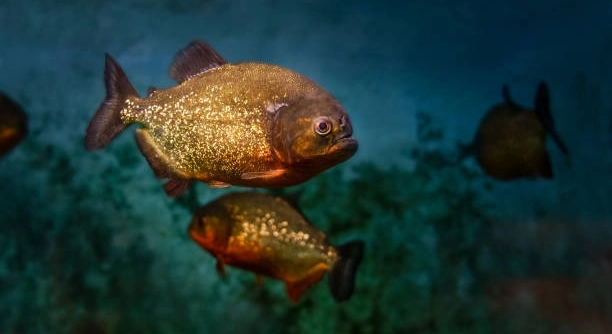
Transporting a piranha requires careful planning and attention to safety. Many fish owners want to ensure their piranha arrives healthy and stress-free. Proper preparation and the right equipment are essential for a smooth move.
The best way to transport a piranha safely is by using a sturdy, leak-proof container filled with clean water from its tank, maintaining stable temperature and oxygen levels throughout the journey. Minimizing handling and sudden movements reduces stress and injury risks.
Knowing the right steps to transport your piranha will protect its health and make the process easier for you and the fish. Following simple precautions can lead to a successful and safe relocation.
Preparing the Container for Transport
Choosing the right container is the first step in moving a piranha safely. A sturdy plastic bag or a small, clean bucket works well. The container must be leak-proof to avoid spills. Fill it halfway with water from the piranha’s tank to keep familiar conditions. Adding an oxygen tablet or using a battery-operated air pump helps maintain oxygen levels. The water temperature should match the tank’s temperature closely to prevent shock. Avoid overfilling the container because the piranha needs some space to move comfortably without being cramped. Before placing the piranha inside, make sure the container is clean and free of any harmful chemicals or residues. Handle the container carefully to prevent sudden shifts that might stress the fish. Taking these steps helps protect the piranha during transport and reduces the chance of injury or illness caused by poor handling or water quality.
Always avoid using glass containers, as they can break easily and cause danger.
Using a well-prepared container is essential to keep the piranha calm and healthy while moving.
Handling the Piranha with Care
When moving the piranha, use a soft, wet net to gently scoop it out of the tank. This minimizes damage to its scales and fins. Avoid squeezing or holding the fish too tightly. Hold the container steadily to prevent water from splashing out. Keep the container covered to reduce stress caused by light and movement. If possible, avoid transporting the piranha for long hours. In case of a longer move, monitor the water temperature and oxygen levels regularly. During breaks, keep the container in a shaded and quiet place. When placing the fish into its new tank, gradually introduce the transport water to the new tank water to avoid shocking the piranha’s system. Taking the time to handle the fish gently makes a big difference in its health and behavior after the move. Careful handling helps the piranha adjust more easily to its new environment.
Maintaining Water Quality During Transport
Keeping the water clean is crucial when moving a piranha. Use water from the original tank to reduce stress caused by new conditions. Avoid adding chemicals or treatments during transport. Ensure the water remains cool but not cold.
Water quality can quickly deteriorate in a small container. Waste products like ammonia build up fast, which can harm the fish. Using a water conditioner before transport can help neutralize toxins. It’s also important to keep the water aerated so the fish has enough oxygen. If using a sealed bag, filling the top with air helps provide oxygen. For longer transports, check the water temperature regularly and avoid sudden changes that can shock the piranha. Always prepare fresh water from the tank in case a water change is necessary during stops.
When the piranha arrives, slowly acclimate it to the new tank water. This helps prevent stress caused by differences in pH, temperature, or hardness. Pour small amounts of the new tank water into the transport container over 20 to 30 minutes. This gradual change helps the fish adjust safely and improves its chances of settling in quickly without illness.
Transport Timing and Environment
Transport the piranha during the coolest part of the day to avoid overheating. Avoid direct sunlight or extreme weather conditions. Keep the container stable and secure during transport to reduce stress.
Minimize movement and vibration as much as possible. Sudden jolts or shaking can harm the fish’s health. Drive carefully and avoid rough roads if you’re using a vehicle. If the move takes longer than a couple of hours, make stops in shaded areas to check the water and the fish’s condition. Make sure the container is kept away from loud noises or strong smells that could upset the piranha. Preparing the transport environment ahead of time will help keep your piranha calm and safe during the process.
Securing the Container Properly
Always seal the container tightly to prevent leaks. Use tape or a secure lid to keep the water inside. This avoids spills and helps maintain water quality during transport.
Make sure the container fits snugly in its place. Prevent it from tipping over by using a stable surface or cushioning around it.
Temperature Control Tips
Use a portable cooler or insulated bag to help maintain the water temperature. Sudden temperature changes can shock the piranha, so keeping it steady is important. Avoid placing the container in direct sunlight or near heating vents.
Avoiding Overcrowding
Only transport one piranha per container. Overcrowding increases stress and the risk of injury. Each fish needs enough space to move comfortably during transport.
Preparing for Arrival
Have the new tank ready before moving the piranha. Make sure water conditions match those of the transport container for a smooth transition.
FAQ
How long can a piranha be safely transported?
A piranha can be safely transported for up to 6 to 8 hours if the water quality, temperature, and oxygen levels are properly maintained. For longer trips, frequent checks and water changes might be necessary to avoid stress and harm.
What type of container is best for transporting a piranha?
Use a sturdy, leak-proof plastic container or heavy-duty plastic bag filled halfway with water from the piranha’s tank. Avoid glass containers because they can break easily and cause injury. The container should allow some space for the fish to move comfortably.
Is it necessary to add oxygen during transport?
Yes, maintaining oxygen levels is very important. You can add an oxygen tablet to the water or fill a plastic bag with extra air. For longer trips, a battery-operated air pump can help keep oxygen flowing and prevent the fish from suffocating.
Can I feed my piranha before transport?
It’s best to avoid feeding the piranha at least 12 hours before transport. Feeding before moving can lead to excess waste in the water, which can harm the fish during transport. A fasting period helps keep the water cleaner and the piranha calmer.
How should I acclimate my piranha to the new tank?
Acclimate your piranha slowly by adding small amounts of the new tank water into the transport container every 10 to 15 minutes over 20 to 30 minutes. This gradual mixing helps the fish adjust to differences in water temperature, pH, and hardness, reducing stress.
What should I do if the water temperature changes suddenly during transport?
If the water temperature changes suddenly, try to stabilize it quickly by using insulated bags or coolers. Avoid exposing the container to direct sunlight or cold drafts. Sudden temperature shifts can shock the fish and weaken its immune system.
Is it safe to transport multiple piranhas together?
It is not recommended to transport multiple piranhas in the same container. They can become aggressive or stressed when overcrowded. Transporting one fish per container ensures they have enough space and reduces the risk of injury.
What are signs that my piranha is stressed during transport?
Signs of stress include erratic swimming, rapid gill movement, or trying to jump out of the container. If you notice these behaviors, check water quality, temperature, and oxygen levels immediately. Keeping the container covered and minimizing movement helps reduce stress.
Can I use tap water for transport if I don’t have tank water?
It’s best to use water from the piranha’s tank because it already contains the right conditions and beneficial bacteria. If you must use tap water, treat it with a water conditioner to remove chlorine and other harmful chemicals before transport.
How do I keep the transport container stable in a vehicle?
Place the container on a flat, stable surface such as the floor or in a secured box. Use towels or foam padding around the container to reduce vibrations and prevent tipping. Drive carefully to avoid sudden stops or sharp turns that could jostle the fish.
What should I do if the piranha appears sick after transport?
If the piranha shows signs of illness like loss of appetite, lethargy, or damaged fins, isolate it in a quarantine tank. Test water quality and consider consulting a vet or aquarium specialist for advice. Early treatment helps prevent serious health problems.
Is it necessary to cover the container during transport?
Yes, covering the container helps reduce stress by limiting light exposure and keeping the fish calm. Use a breathable cloth or lid that prevents the fish from jumping out while still allowing air exchange.
How often should I check the fish during transport?
Check the fish every hour or so on longer trips. Look for signs of stress or water issues but avoid opening the container too often. Frequent disturbance can increase stress levels, so balance monitoring with keeping the environment stable.
Can I transport a piranha in cold weather?
In cold weather, it’s important to keep the water from getting too cold. Use insulated containers or warming packs to maintain a stable temperature. Avoid leaving the fish outside for long periods where temperatures could drop sharply.
What should I do if the water leaks during transport?
If the container leaks, transfer the piranha to a backup container with prepared water from its tank as soon as possible. Leaks reduce oxygen and water quality, which can quickly stress or harm the fish. Always carry a spare container during transport.
Transporting a piranha safely takes careful planning and attention to detail. Using the right container filled with water from the fish’s tank helps keep the piranha comfortable. It is important to maintain water quality by avoiding sudden temperature changes and making sure there is enough oxygen. Handling the piranha gently and keeping the container steady reduces stress and lowers the chance of injury. Preparing the transport environment before moving will make the process smoother and safer for the fish.
Keeping the water clean and stable during transport is one of the most important factors for a healthy piranha. Using water from the original tank helps reduce stress since the fish is already used to that water. Oxygen levels need to be maintained either by adding extra air, using oxygen tablets, or air pumps. Temperature should be controlled carefully; too hot or too cold water can shock the fish and cause health problems. Avoid overcrowding by transporting only one fish per container, giving it enough space to move without feeling cramped.
Once the piranha reaches its new home, gradual acclimation is key. Slowly mixing the transport water with the new tank water helps the fish adjust to new conditions safely. This step reduces stress and helps prevent illness after the move. Having the new tank ready ahead of time with proper temperature and water conditions also supports a smooth transition. Overall, taking these careful steps ensures the piranha stays healthy during and after transport, making the entire process easier and safer for both the fish and the person moving it.

Hello,
If you enjoy the content that we create, please consider saying a "Thank You!" by leaving a tip.
Every little bit helps us continue crafting quality advice that supports the health, happiness, and well-being of pets around the world, for pets of all shapes, sizes, and species.
We really appreciate the kindness and support that you show us!