
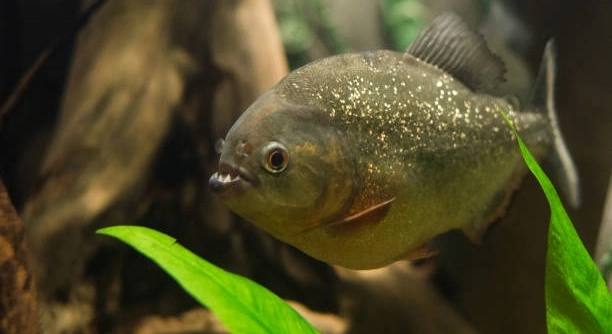
Are your aquarium tank temperatures uneven, causing stress to your aquatic life? Maintaining a stable and uniform temperature is important for the health of fish and plants in the tank. Uneven heating can lead to unwanted problems in your aquarium environment.
Uneven tank temperature often results from poor water circulation, inadequate heater placement, or inconsistent heater performance. Addressing these issues through practical solutions can stabilize temperature, promoting a healthier aquatic habitat and improving the well-being of tank inhabitants.
Understanding these solutions will help you maintain a balanced environment and avoid temperature fluctuations that may harm your aquatic pets. This guide offers clear steps to improve your tank’s temperature consistency.
Check Heater Placement
Where you place your heater in the tank matters a lot. If the heater is too close to one side or near the surface, heat may not spread evenly. It’s best to position the heater near the tank’s bottom and close to a filter outlet. This helps warm water circulate better. Avoid putting it behind decorations or in corners where water flow is limited. If your tank is large, using two smaller heaters instead of one big one can create a more uniform temperature. Regularly check the heater’s position, especially after cleaning or rearranging the tank, to keep heat spreading evenly.
Proper heater placement ensures warmth reaches all parts of the tank. It also helps avoid cold spots that stress fish.
Taking a moment to reposition your heater can make a big difference. Even small changes improve water circulation and temperature balance, helping your aquatic pets stay healthy and comfortable.
Improve Water Circulation
Poor water movement is a common cause of uneven temperatures. Without enough circulation, warm water stays in one place while other areas remain cool. Using a good filter with strong flow or adding a water pump can help. These tools move water throughout the tank, mixing warm and cool spots. You might notice a more steady temperature after improving circulation. Avoid creating currents that stress fish by adjusting flow speed carefully. Also, cleaning filters and pumps regularly ensures they work efficiently and keep water moving. Proper circulation not only balances temperature but also improves oxygen levels and waste removal.
Adding extra water movement can solve many temperature issues. Even simple devices help move warm water around, making the tank more comfortable.
Consistent circulation mixes the water well, preventing temperature differences that harm fish. It also supports a cleaner, healthier tank environment. Try adjusting your filter or adding a small powerhead to help distribute heat better. Keep equipment clean and maintained for best results. When water flows evenly, fish feel safer, and your tank stays stable.
Use a Tank Thermometer
A reliable tank thermometer helps you monitor temperature accurately. Without it, you can’t know if your efforts to fix uneven heating are working.
There are many types of thermometers designed for aquariums. Stick-on digital thermometers are easy to read and show temperature clearly without disturbing the tank. Glass stick thermometers can be placed inside the tank but need careful handling to avoid breakage. Using more than one thermometer in different spots helps detect temperature differences. Regularly checking these readings allows you to catch uneven heating early and adjust your equipment as needed.
Keeping a thermometer in the tank also helps you track daily temperature changes. This way, you’ll know if your heater or circulation improvements are effective or if further steps are needed. It’s a simple tool but essential for maintaining a healthy tank environment.
Insulate Your Aquarium
Insulating your tank reduces heat loss and helps keep temperature steady. Wrapping the back and sides with foam or insulating material prevents cold air from lowering water temperature, especially in cooler rooms. This method is easy and low-cost but very effective.
In addition to insulation, placing the aquarium away from drafts, windows, or air conditioners protects it from sudden temperature changes. Even small drops can stress fish. Using a tank cover reduces heat evaporation and keeps warmth inside. Combining these methods creates a more stable environment, which helps prevent temperature swings.
Proper insulation saves energy and reduces heater workload. It keeps your tank warmer without using more electricity. Your aquatic pets benefit from a calmer, more consistent temperature, making them healthier and less prone to stress or illness.
Avoid Overcrowding the Tank
Too many fish or decorations can block water flow and cause temperature differences. Keeping the tank balanced allows better circulation and heat distribution.
An overcrowded tank also stresses fish, making them more sensitive to temperature changes. Maintaining proper space supports a stable environment and healthier aquatic life.
Regular Maintenance and Cleaning
Regular cleaning of filters, heaters, and pumps ensures all equipment works efficiently. Dirty or clogged gear reduces water movement and causes uneven heating. Check for buildup and clean parts monthly to keep the system running smoothly.
Proper maintenance extends the life of your equipment and prevents temperature issues before they start. It’s a small effort with big benefits.
Choose the Right Heater Size
Selecting a heater sized for your tank volume is essential. A heater too small won’t warm the water evenly, while one too large can cause overheating.
Use the manufacturer’s guidelines for tank size recommendations. Matching heater power to your tank helps maintain steady temperatures and avoids problems caused by improper heating.
FAQ
Why does my aquarium have uneven temperature even with a heater?
Uneven temperature often happens when the heater is placed in a spot with poor water flow. If warm water doesn’t circulate, heat stays in one area while other parts remain cool. Also, a faulty heater or one too small for the tank can cause uneven heating. Check heater placement near the filter outlet or bottom of the tank, and make sure the heater is working correctly.
How can I tell if my tank temperature is uneven?
Using multiple thermometers in different parts of the tank helps you spot temperature differences. If you notice readings vary by more than 2°F (1°C), your tank likely has uneven heating. Fish behavior can also give clues; they may cluster in warmer areas or act stressed if cold spots exist.
Can too many decorations cause temperature issues?
Yes, too many decorations can block water flow, creating cold spots behind or under them. This prevents heat from spreading evenly. Arrange decorations to allow water circulation, or reduce their number if needed.
Is it okay to use two heaters in one tank?
Using two heaters can be beneficial in larger tanks. It allows heat to spread from multiple points, reducing cold spots. Make sure both heaters are the correct size for your tank and placed opposite each other to improve circulation.
What maintenance keeps the heater working well?
Clean the heater regularly to remove algae and mineral deposits. Check that the thermostat functions properly and that the heater is fully submerged if designed for underwater use. Replace heaters every few years, as worn heaters can lose accuracy.
Can room temperature affect my tank’s temperature?
Yes, room temperature affects your aquarium. If the room is too cold or drafty, your heater works harder and may struggle to keep a stable temperature. Insulating the tank and placing it away from windows or vents helps maintain warmth.
How often should I check my tank temperature?
Check your aquarium’s temperature daily, especially after equipment adjustments or seasonal changes. Consistent monitoring helps catch problems early before fish get stressed.
What size heater do I need for my aquarium?
Heater size depends on tank volume. A common rule is 3 to 5 watts per gallon. For example, a 20-gallon tank needs a 60- to 100-watt heater. Using the right size ensures the water heats evenly and avoids temperature swings.
What happens if the temperature is too high?
High temperatures reduce oxygen levels and stress fish. It can cause illness or death. A good thermostat and regular monitoring prevent overheating. Always set your heater to the correct temperature range for your species.
Can water circulation help with temperature?
Yes, water circulation spreads heat evenly by mixing warm and cool areas. Filters, pumps, and powerheads improve circulation. Adjust flow speed to avoid stressing fish but ensure heat moves through the tank efficiently.
Should I use a tank cover?
Using a cover reduces heat loss by limiting evaporation and cold air contact. It helps maintain steady temperature, especially in cooler rooms. Just make sure the cover allows enough air exchange for fish health.
What is the safest way to insulate an aquarium?
Wrap insulating foam or use insulation panels on the back and sides of the tank. Avoid covering the front glass or blocking airflow around the top. Proper insulation keeps heat in without trapping moisture or restricting oxygen.
How long does it take to fix uneven tank temperature?
Fixing uneven temperature depends on the cause. Adjusting heater placement or adding circulation can show results within hours. Insulation or equipment replacement might take longer. Regular checks speed up the process.
Is it necessary to upgrade my heater?
If your heater is old, damaged, or too small, upgrading improves temperature control. Newer heaters often have better thermostats and safety features. Investing in a quality heater helps keep your tank stable and fish healthy.
Can temperature fluctuations harm fish?
Yes, sudden or frequent temperature changes stress fish, weaken their immune systems, and can lead to disease. Maintaining a steady temperature is key to preventing health problems.
How do I prevent temperature problems during seasonal changes?
Monitor room temperature closely as seasons change. Adjust heater settings or add insulation as needed. Avoid placing the tank near heating or cooling vents that change temperature quickly. Consistent monitoring helps keep your tank stable year-round.
Uneven tank temperature is a common issue that many aquarium owners face. It can cause stress and health problems for fish and plants if not managed well. The good news is that there are practical steps to take that help balance the temperature throughout the tank. Small changes like moving the heater to a better spot or improving water circulation can make a big difference. It is important to pay attention to how your tank responds to these changes and keep checking the temperature regularly.
Using tools like tank thermometers helps you keep track of the temperature in different parts of the aquarium. This way, you can spot cold or hot spots early and adjust your setup before problems arise. Maintaining your equipment is also key. Clean filters, pumps, and heaters allow water to flow properly and heat to spread evenly. Insulating your tank and placing it in the right location can reduce heat loss and help keep the temperature steady. All these steps work together to create a more stable and comfortable environment for your aquatic life.
Taking the time to address uneven temperature in your aquarium not only protects your fish but also improves the overall health of your tank. When temperature stays consistent, fish are less stressed and plants grow better. With a little effort, you can enjoy a balanced and healthy tank without major problems. Keep in mind that patience is important because some fixes take time to show results. By following simple practices and regularly checking your tank, you can maintain a safe habitat for your aquatic pets and enjoy watching them thrive.

Hello,
If you enjoy the content that we create, please consider saying a "Thank You!" by leaving a tip.
Every little bit helps us continue crafting quality advice that supports the health, happiness, and well-being of pets around the world, for pets of all shapes, sizes, and species.
We really appreciate the kindness and support that you show us!