
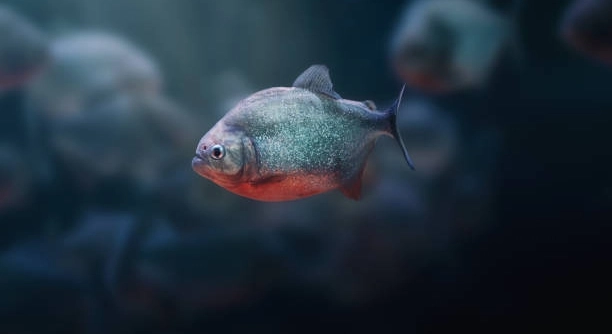
Caring for piranhas involves more than just feeding them regularly. Monitoring their health is essential to keep them thriving in any environment. Knowing which tools to use can make this task easier and more effective.
Monitoring piranha health requires tools that track water quality, behavior, and physical condition. Essential tools include water testing kits, thermometers, and magnifying lenses, all helping to maintain a stable and healthy environment for these sensitive fish.
Using the right tools will help you catch problems early and support your piranhas’ well-being over time. This guide will introduce seven practical tools that make health monitoring straightforward and reliable.
Water Testing Kits
Water quality is one of the most important factors in keeping piranhas healthy. Using water testing kits helps measure levels of ammonia, nitrites, nitrates, and pH in the tank. These chemicals affect how well your fish can live and grow. High ammonia or nitrite levels are dangerous and can cause illness or death. Maintaining a stable pH is also critical because piranhas prefer slightly acidic to neutral water. Testing kits are easy to use and give quick results. Regular testing helps catch problems before they become serious. It’s a simple step that protects your fish from many common issues. Many kits come with clear instructions and color charts to make reading results straightforward. Checking the water at least once a week is a good practice. Keeping track of changes helps you know when to perform water changes or adjust filtration.
Water testing kits are essential for early detection of water issues. They save time and prevent costly health problems.
Learning to use these kits properly will improve your tank’s environment. Combine testing with good cleaning habits to ensure your piranhas thrive. Understanding what each chemical means can guide you in making the right adjustments, like changing water or adding treatments. A stable and clean tank supports healthy fish and reduces stress. Even small tanks benefit from regular testing because piranhas are sensitive to water changes. Over time, you’ll notice your fish behaving better and showing fewer signs of illness. Good water quality is the foundation of piranha care and helps avoid many common diseases.
Thermometers and Temperature Control
Maintaining the right temperature in your piranha tank is vital for their health. Piranhas thrive in water that stays between 75°F and 82°F. Fluctuations can stress the fish and weaken their immune system.
A reliable aquarium thermometer lets you monitor temperature easily. Digital or stick-on thermometers provide clear, constant readings. Some heaters come with built-in thermostats, keeping water temperature stable without constant checks. Temperature control keeps your fish active and helps them digest food properly. Sudden drops or rises in temperature can lead to illness or aggressive behavior. Monitoring temperature daily, especially during seasonal changes, helps maintain a safe environment. If the room gets cold, a heater is necessary. Avoid placing tanks near windows or vents where temperature swings occur. Using a thermometer combined with a good heater ensures your piranhas live in comfortable, healthy conditions without unnecessary stress.
Magnifying Glasses and Visual Inspection
Magnifying glasses help spot small signs of illness or injury on your piranhas. Look closely at their fins, scales, and eyes for any unusual spots, tears, or discoloration. Early detection can prevent serious health problems.
A magnifying glass makes it easier to examine your fish’s body in detail. Sometimes, tiny parasites or fungus start as barely visible patches. Catching these early means quicker treatment and less stress for your piranhas. Regular visual checks combined with good lighting help you notice changes before they become severe. Inspect fins for ragged edges or white spots that may indicate infections. Look at the fish’s eyes for cloudiness or swelling. Consistent observation builds a better understanding of what is normal for your fish. This way, any unusual signs stand out immediately, allowing you to act fast.
When inspecting, move slowly to avoid stressing the fish. Using a magnifying glass in calm moments helps you keep your piranhas healthy and comfortable over time. Combine this tool with water tests for the best health results.
Digital Timers and Feeding Schedules
Digital timers help regulate feeding times, ensuring piranhas get consistent meals without overfeeding. Proper feeding supports their health and keeps the tank clean.
Using digital timers for feeding schedules prevents accidental overfeeding, which can pollute the water. Piranhas need regular but controlled feeding, usually once or twice a day. Timers make it easier to maintain these routines, especially when busy or away. Overfeeding can lead to leftover food, causing ammonia spikes and poor water quality. A strict feeding schedule also prevents fish from becoming overweight or stressed. Digital timers automate this process, reducing mistakes and helping keep a balanced tank environment. Feeding at regular intervals supports digestion and encourages natural behaviors, making your piranhas more active and healthy. This simple tool saves time and keeps your tank conditions stable.
Aquarium Heaters
Aquarium heaters keep the water at a steady temperature, which is crucial for piranhas. Without proper heating, water can become too cold, stressing the fish and affecting their health.
Choosing a reliable heater with a thermostat ensures stable temperatures. It prevents sudden drops that can weaken your piranhas’ immune systems and helps maintain an environment similar to their natural habitat.
Water Quality Test Strips
Water test strips offer a quick way to check key water parameters like pH, ammonia, and nitrate levels. They provide immediate feedback on tank conditions.
Regular use helps detect issues early, allowing for timely adjustments to keep water safe and balanced for piranhas.
Observation Logs
Keeping an observation log helps track changes in your piranhas’ behavior and health. Recording details daily can reveal patterns or problems early.
This simple habit improves your ability to respond quickly and maintain a healthy tank environment.
How often should I test the water in my piranha tank?
Testing the water once a week is a good rule of thumb. If you notice any changes in your piranhas’ behavior or if you add new fish, it’s best to test more frequently. Consistent water testing helps catch harmful chemical imbalances early and keeps your tank healthy.
What are the most important water parameters to monitor?
The key parameters to watch are ammonia, nitrites, nitrates, and pH levels. Ammonia and nitrites should always be at zero because they are toxic to fish. Nitrates should stay low but can be tolerated in small amounts. pH should remain stable around 6.5 to 7.5 for piranhas.
Can I rely only on test strips for monitoring water quality?
Test strips are useful for quick checks but are less precise than liquid test kits. For more accurate results, especially when problems arise, using liquid kits is better. Test strips are good for daily or quick monitoring, while liquid kits provide detailed information.
How do I know if my piranha is sick?
Look for changes like loss of appetite, lethargy, clamped fins, or unusual spots on their body. Cloudy eyes, torn fins, and rapid breathing are also signs of illness. Early detection through visual checks helps treat problems before they worsen.
What temperature range is best for piranhas?
Piranhas do best in water between 75°F and 82°F (24°C to 28°C). Temperatures outside this range can cause stress and make them more vulnerable to disease. Using a good aquarium heater and thermometer helps maintain this stable range.
How often should I feed my piranhas?
Feeding once or twice a day is enough. Overfeeding can pollute the water and harm your fish. Use a digital timer if needed to keep a regular schedule. Make sure they eat all the food within a few minutes to avoid leftovers.
Can I use any aquarium heater for piranhas?
Not all heaters are ideal. Choose a heater with a reliable thermostat and suited for your tank size. It should keep the temperature steady without large fluctuations. Submersible heaters are common and effective for piranha tanks.
Why is maintaining stable water temperature so important?
Piranhas are sensitive to sudden temperature changes, which can cause stress and weaken their immune systems. A stable temperature supports their metabolism, digestion, and overall health. Sudden drops can lead to illness or even death.
What should I do if the water test shows high ammonia or nitrite levels?
Perform a partial water change immediately, about 25-50%, to reduce toxins. Check your filtration system to ensure it’s working properly. Avoid feeding your piranhas for a day or two to prevent more waste buildup. Repeat tests daily until levels return to safe ranges.
How can observation logs help in monitoring piranha health?
Writing down daily notes about your piranhas’ behavior, appearance, and tank conditions helps identify trends or problems early. It creates a record you can review to spot subtle changes that may otherwise go unnoticed. This makes caring for your fish easier and more effective.
Is it necessary to inspect piranhas visually every day?
While daily inspection is ideal, a few times a week can suffice if the tank is stable. Regular checks with a magnifying glass help spot early signs of illness or injury. Consistent observation prevents small issues from becoming serious.
Are there any risks with using digital timers for feeding?
Timers are helpful but should be checked regularly to ensure they work correctly. Mechanical failures or power outages can disrupt feeding schedules. Always observe your fish’s behavior and adjust if needed to avoid underfeeding or overfeeding.
How do I keep my piranhas stress-free?
Stable water quality, proper temperature, and regular feeding help reduce stress. Avoid sudden changes in the tank environment or aggressive tank mates. A calm, clean tank supports healthier and more active piranhas.
Can I treat sick piranhas at home, or do I need a vet?
Many common illnesses can be treated with over-the-counter fish medications and good tank maintenance. However, if symptoms worsen or don’t improve, consulting a vet experienced with fish is a good idea. Early treatment usually leads to better outcomes.
What is the best way to introduce new piranhas to the tank?
Quarantine new fish for at least two weeks before adding them to the main tank. This helps prevent the spread of disease. During quarantine, monitor their health closely and ensure water parameters match those of the main tank. Gradual introduction reduces stress and aggression.
Monitoring piranha health is an important part of keeping these fish safe and comfortable. Using the right tools helps you spot problems early and maintain a healthy environment. Simple tools like water testing kits, thermometers, and magnifying glasses make it easier to watch for changes in water quality and fish behavior. These basic checks support the long-term well-being of your piranhas and help prevent common illnesses.
Consistency is key when caring for piranhas. Regular water testing, steady temperature control, and daily visual inspections should become routine tasks. Keeping a log of observations also adds valuable information that helps you notice subtle changes. Over time, these habits make it easier to understand what your fish need and how to respond if something goes wrong. Small efforts each day add up and make a big difference in your tank’s overall health.
Finally, being patient and attentive will improve your piranha care experience. Remember that fish rely on stable and clean conditions to thrive. By using the tools available and staying on top of routine maintenance, you can create a safe home for your piranhas. Good care leads to stronger, more active fish and a more enjoyable aquarium. Taking the time to monitor health carefully pays off with happier, healthier piranhas.

Hello,
If you enjoy the content that we create, please consider saying a "Thank You!" by leaving a tip.
Every little bit helps us continue crafting quality advice that supports the health, happiness, and well-being of pets around the world, for pets of all shapes, sizes, and species.
We really appreciate the kindness and support that you show us!