
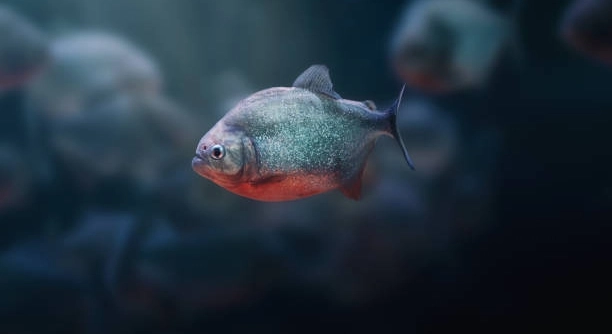
Keeping a piranha tank clean and healthy can feel like a big job. Regular care is important to make sure your fish stay safe and the tank stays clear. Using the right tools can make maintenance easier and less time-consuming.
Seven practical tools help simplify piranha tank maintenance by improving water quality, reducing waste buildup, and ensuring a safe environment. These tools support regular cleaning, monitoring, and care to maintain the tank’s balance and your fish’s health.
Knowing which tools to use and how they help will make taking care of your piranhas less stressful and more efficient. This guide will introduce you to helpful solutions for smoother tank upkeep.
Aquarium Gravel Vacuum
An aquarium gravel vacuum is one of the most useful tools for maintaining a piranha tank. It helps remove uneaten food, fish waste, and other debris trapped in the substrate. This keeps the tank clean and prevents harmful toxins from building up. Using a gravel vacuum regularly reduces the need for full water changes, making tank care easier and less disruptive for your fish. The vacuum works by siphoning dirty water and debris out while leaving the gravel in place. Many models come with adjustable suction power and attachments to reach tight corners. It’s important to use the vacuum gently to avoid disturbing your piranhas too much. A clean substrate also promotes healthy beneficial bacteria growth, which helps keep the water balanced. Overall, this tool helps maintain a healthier environment, cutting down on cleaning time and stress for both you and your fish.
Gravel vacuums keep the tank cleaner for longer and make water changes simpler and more effective.
Keeping debris and waste away with a gravel vacuum helps prevent water quality problems. Regular use means less buildup, clearer water, and a happier tank. This tool saves time and effort by targeting the parts of the tank where dirt tends to settle. For piranha tanks, it’s especially important to remove waste quickly to avoid toxic ammonia levels. By investing in a good gravel vacuum, you make maintenance less of a chore and help your fish thrive. Many users find that their tanks stay clearer and require fewer full cleanings when using this tool consistently.
Aquarium Water Tester Kits
Water quality is critical for piranhas, making water tester kits essential. These kits measure important parameters like pH, ammonia, nitrite, and nitrate levels.
A water tester kit allows you to monitor your tank’s chemistry easily and accurately. This ensures the water remains safe and stable, preventing sudden changes that could harm your piranhas. Testing the water regularly helps you spot issues early and take action before conditions worsen. Many kits come with simple color-coded strips or digital meters for easy readings. By understanding the water conditions, you can adjust filtration, feeding, or water changes accordingly. Keeping the water balanced supports your piranhas’ health and reduces stress. Using a tester kit is a small step that saves you from big problems later. It gives peace of mind knowing your fish are living in a properly maintained environment. Regular testing is a key part of smart tank care.
Automatic Fish Feeder
An automatic fish feeder helps maintain a regular feeding schedule, even when you are busy or away. It releases food in measured amounts to prevent overfeeding.
Overfeeding is a common problem that can quickly foul the water in a piranha tank. An automatic feeder dispenses food at set times, ensuring your fish get just the right amount. This reduces leftover food that would otherwise decompose and pollute the tank. Many feeders allow you to adjust the portion size and feeding frequency to match your tank’s needs. Using this tool takes the guesswork out of feeding and supports consistent water quality. It also gives you peace of mind, knowing your piranhas won’t miss a meal when you’re not around.
Automatic feeders come in various designs, from simple gravity feeders to programmable digital models. Some even work with different types of food, such as pellets or flakes. Choosing the right feeder depends on your tank size and feeding habits. A reliable feeder can make your life easier and keep your fish healthier.
Aquarium Filter
A strong, efficient aquarium filter is essential for piranha tank maintenance. It removes physical waste and helps maintain water quality by supporting beneficial bacteria.
Filters work by circulating the water and trapping debris, which prevents harmful substances from building up. Mechanical filtration removes solid particles, biological filtration breaks down ammonia and nitrites, and chemical filtration can remove odors and discoloration. For piranhas, a filter with adequate flow and capacity is necessary to handle their waste. Regular cleaning of the filter media keeps it working properly. Using a quality filter reduces how often you need to change the water and keeps your tank environment stable. This tool is fundamental to healthy tank upkeep, protecting your fish from stress and disease. Selecting a filter designed for your tank size and fish load ensures optimal performance and longevity.
Algae Scraper
An algae scraper helps keep your tank glass clear of algae buildup. It makes cleaning easier and improves visibility inside the tank.
Regular use prevents algae from covering the tank walls, which can affect water quality and the look of your setup.
Water Conditioner
Water conditioner is important for removing chlorine and chloramine from tap water. These chemicals can harm piranhas if not treated before adding water to the tank.
Using a water conditioner protects your fish during water changes and helps keep the environment safe and stable.
Thermometer
A reliable aquarium thermometer helps monitor the water temperature. Piranhas need stable temperatures to stay healthy.
Keeping track of temperature helps prevent stress and illness caused by sudden changes. Regular checks are simple and effective for tank care.
How often should I clean my piranha tank?
Cleaning frequency depends on tank size and fish load, but a general rule is to clean parts of the tank weekly. Partial water changes of about 20-30% should be done every one to two weeks to keep water quality stable. Using tools like a gravel vacuum can make this easier by removing waste without disturbing the entire tank. Filters should be checked and cleaned monthly to maintain their effectiveness. Regular maintenance prevents buildup of harmful substances and keeps the environment healthy for your piranhas.
What type of filter is best for a piranha tank?
A filter that provides mechanical, biological, and chemical filtration is best. Canister filters or hang-on-back (HOB) filters are popular choices because they offer strong flow and good filtration capacity. Piranhas produce a lot of waste, so the filter should be rated for a tank larger than yours to handle the load. Biological filtration is especially important because it breaks down ammonia and nitrites into less harmful substances. Regular cleaning and maintenance of the filter media help keep the system working efficiently.
Can I use tap water directly in my piranha tank?
Tap water usually contains chlorine or chloramine, which are harmful to fish. It is essential to treat tap water with a water conditioner before adding it to the tank. The conditioner neutralizes these chemicals, making the water safe for your piranhas. Always test the water parameters after treatment to ensure they are within safe limits. Using untreated tap water can cause stress, illness, or even death for your fish, so this step should never be skipped.
How do I prevent algae growth in my tank?
Algae growth can be controlled by limiting excess light and nutrients. Avoid placing the tank in direct sunlight, and regulate how long your aquarium light stays on, usually 8-10 hours daily. Overfeeding also contributes to algae because leftover food increases nutrient levels. Regular cleaning with an algae scraper helps keep surfaces clear. Using live plants can also compete with algae for nutrients, reducing its growth naturally.
What should I feed my piranhas, and how often?
Piranhas are carnivores and require a diet rich in protein. High-quality pellets designed for carnivorous fish, supplemented with occasional live or frozen foods like bloodworms or small fish, work well. Feed your piranhas once or twice a day in amounts they can finish in a few minutes. Overfeeding leads to water pollution, so only provide what they will eat quickly. A balanced diet helps keep your fish healthy and active.
How important is monitoring water temperature?
Maintaining stable water temperature is crucial for piranhas because sudden changes can stress them. Ideal temperatures range between 74°F and 82°F (23°C to 28°C). Use a reliable aquarium thermometer to check the temperature daily. If needed, use a heater or cooler to keep conditions steady. Proper temperature control supports fish health, immune response, and metabolism.
What signs show my piranhas are stressed or sick?
Common signs include unusual swimming behavior, loss of appetite, faded colors, or hiding excessively. Look for physical symptoms like clamped fins, spots, or wounds. Stress often results from poor water quality, improper temperature, or overcrowding. Regular testing and maintenance help prevent these issues. If you notice any signs, take immediate action to identify and fix the cause.
Can I keep other fish with my piranhas?
Piranhas are aggressive and territorial, so they are best kept alone or with other piranhas in large tanks. Mixing them with smaller or peaceful fish usually results in stress or injury to the other fish. If you want a community tank, research carefully and choose species that can tolerate piranha behavior, but this is generally not recommended for beginners.
How do I know when it’s time to replace filter media?
Filter media should be replaced according to the manufacturer’s instructions, usually every 3-6 months. However, biological media should be replaced less often to preserve beneficial bacteria. When media becomes clogged or visibly dirty, it may be time to clean or replace it. Replacing too often can disrupt the tank’s biological balance, so try to rinse media gently in tank water rather than tap water during maintenance.
Is an automatic feeder necessary for piranha tanks?
An automatic feeder isn’t strictly necessary, but it is very helpful if you are busy or travel often. It provides consistent feeding times and prevents overfeeding by dispensing measured amounts. This helps maintain water quality and reduces the chance of feeding mistakes. For everyday care, manual feeding works fine, but an automatic feeder offers convenience and peace of mind.
Taking care of a piranha tank requires regular attention and the right tools to keep the environment healthy for your fish. Using equipment like gravel vacuums, water testers, filters, and algae scrapers can make maintenance easier and more effective. These tools help manage waste, monitor water quality, and keep the tank clean without much hassle. When you use them consistently, you reduce the chances of common problems such as poor water conditions or algae overgrowth. This means your piranhas will live in a safer and more stable environment, which supports their well-being.
Besides tools, following good habits also plays a big role in successful tank care. Feeding your piranhas the right amount of food and using water conditioners to treat tap water are small but important steps. Keeping track of the water temperature and testing the water regularly help prevent stress and illness. When you know the needs of your piranhas and maintain their environment carefully, you avoid many common issues. The combination of useful tools and steady routines makes the maintenance process more manageable and less stressful for both you and your fish.
In the end, keeping a piranha tank healthy is about balance and consistency. No single tool or action can do everything, but together, they make a big difference. It’s helpful to start with the basics and add more tools or steps as you become comfortable. Paying attention to your tank’s condition and adjusting your care will improve your success. With patience and the right equipment, caring for your piranhas can become a simple and rewarding part of your routine. This approach helps create a lasting, clean, and safe home for your fish.

Hello,
If you enjoy the content that we create, please consider saying a "Thank You!" by leaving a tip.
Every little bit helps us continue crafting quality advice that supports the health, happiness, and well-being of pets around the world, for pets of all shapes, sizes, and species.
We really appreciate the kindness and support that you show us!