
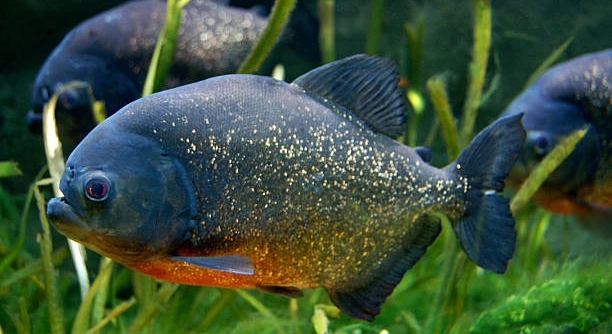
Piranhas are fascinating fish known for their sharp teeth and strong jaws. Their size can vary greatly depending on several key factors that affect their growth over time. Understanding these influences helps explain why some piranhas grow larger than others.
Seven main factors influence piranha size over time: genetics, diet, water quality, habitat space, temperature, social environment, and age. Each factor plays a crucial role in how these fish develop physically and reach their full potential size.
Knowing these factors will help anyone interested in piranhas better understand their growth patterns and how to care for them properly. This article explores what shapes the size of these unique fish over time.
Genetics and Its Role in Piranha Growth
Genetics is one of the most important factors that determines the potential size of a piranha. Each species has its own typical size range, which is passed down through genes. Some piranhas naturally grow larger, while others remain small throughout their lives. Even within the same species, individual genetic differences can cause variations in size. These inherited traits influence growth rates and how the fish’s body develops over time. While care and environment matter, genetics set the baseline for how big a piranha can get. Understanding this helps explain why not all piranhas look or grow the same, even when kept under similar conditions. It’s interesting to see how nature programs these fish differently before any other factor takes effect.
Genetics mainly defines the maximum size a piranha can reach. It acts as the blueprint for their growth potential.
Although genetics lays the foundation for size, other factors like food and habitat greatly influence how fully this potential is realized. Feeding a piranha a balanced diet and keeping it in a proper environment allow its genetic potential to be reached. Without these, growth might be stunted even if the fish has strong genetics. Observing piranhas with different genetics but similar care can show a range of sizes. This highlights the interplay between nature and nurture in their development.
Diet and Feeding Habits
A piranha’s diet directly impacts its growth.
Nutrition provides the building blocks for their body. Without enough protein and nutrients, growth slows down or stops altogether. Wild piranhas eat a mix of fish, insects, and plants, giving them a balanced diet. In captivity, feeding them varied, high-quality food encourages healthy development. Overfeeding, however, can lead to obesity and health problems, affecting size negatively. Consistency and quality of food matter more than quantity alone. Offering the right balance supports stronger bones, muscles, and overall growth, ensuring the piranha grows to its full potential. Monitoring feeding habits carefully helps avoid problems linked to poor diet.
Feeding a piranha correctly takes attention but pays off in their healthy growth. It’s about balance and quality rather than just feeding more. Proper feeding makes a clear difference in their size over time.
Water Quality and Its Impact
Clean water is essential for piranha growth. Poor water conditions stress the fish and slow their development.
Maintaining good water quality involves regular changes and proper filtration. High ammonia, nitrite, or nitrate levels can harm piranhas, leading to health issues that stunt growth. Stable pH and temperature also help keep their metabolism steady. Stress from dirty or fluctuating water causes the fish to use energy on survival rather than growth. Clean, well-oxygenated water allows piranhas to stay healthy and grow efficiently.
A consistent water environment reduces illness risks, so piranhas can grow without interruptions. Proper care of their aquatic home supports strong growth and overall well-being.
Habitat Space and Its Effects
Adequate space in the tank or natural habitat is important for piranha size.
Crowded conditions limit growth because fish compete for resources and become stressed. Smaller tanks can restrict movement, which impacts muscle development and overall size. Providing enough room helps piranhas swim freely, encouraging natural behavior and healthy growth. Overcrowding also leads to poor water quality, further affecting size negatively.
Larger habitats support better social interactions and reduce aggression, which benefits growth. Giving piranhas space lets them reach their full potential size and stay healthier over time.
Temperature and Growth Rate
Piranhas grow best in warm, stable temperatures. Fluctuations can slow their development.
Maintaining consistent warmth, usually between 75°F and 82°F, supports healthy metabolism. Cold or rapidly changing water stresses them, limiting growth and causing health problems.
Social Environment and Size
Piranhas are social but aggressive. Group dynamics affect their growth.
Stress from fighting or overcrowding can stunt growth. A balanced social setting with enough space helps reduce aggression and supports steady development.
Age and Growth Potential
Piranhas grow quickly when young but slow down as they age. Growth largely happens in the first few years of life.
Growth Variation by Species
Different species of piranha have naturally different maximum sizes. This factor strongly influences their final size.
How fast do piranhas grow?
Piranhas grow fastest during their first year. In this time, they can reach up to half their adult size, depending on species and conditions. Growth slows significantly after the first year, but they may continue growing slowly for several more years. Factors like diet, water quality, and space can speed up or slow this growth.
What is the average size of a fully grown piranha?
Most common piranhas, such as the red-bellied species, grow between 8 to 12 inches as adults. Some species may stay smaller, around 6 inches, while others can exceed 15 inches in the wild. Size varies depending on genetics, environment, and nutrition.
Does diet affect the size of a piranha significantly?
Yes, diet has a strong impact on size. A balanced diet rich in protein helps piranhas build muscle and grow faster. Feeding them only low-quality or inappropriate food can stunt their growth and lead to health problems. Variety is key to ensuring all nutritional needs are met.
Can poor water quality stunt piranha growth?
Poor water quality causes stress and illness, which both slow down growth. High levels of toxins like ammonia or nitrites harm fish organs and metabolism. Regular water changes and filtration keep water safe and allow piranhas to develop normally.
How does tank size affect piranha growth?
Small, crowded tanks restrict movement and cause stress, limiting growth. Piranhas need space to swim freely for healthy muscle development. A larger tank with enough room for the number of fish encourages better growth and reduces aggressive behavior.
Do piranhas grow bigger in the wild than in captivity?
Generally, yes. Wild piranhas often grow larger because they have a natural diet, plenty of space, and stable water conditions. In captivity, factors like limited tank size, diet, and water quality can keep them smaller than their wild counterparts.
Is temperature important for piranha growth?
Temperature is crucial. Piranhas thrive in warm, stable water. If temperatures drop too low or fluctuate often, their metabolism slows, reducing growth rates. Keeping water consistently between 75°F and 82°F helps piranhas grow at a healthy pace.
Can stress affect the size of piranhas?
Stress reduces growth because it affects how fish use energy. Fighting, overcrowding, or poor water conditions all cause stress. Stressed piranhas use energy to survive rather than grow, so managing their environment to minimize stress supports better size development.
Are there differences in size among piranha species?
Yes, species vary widely in size. For example, the black piranha can grow larger than the red-bellied species. Each species has a typical size range determined by genetics. Knowing the species helps set realistic expectations for growth.
How long do piranhas live, and does lifespan affect size?
Piranhas live around 10 to 15 years in good conditions. Most growth happens in the early years, with size leveling off as they age. Older piranhas generally do not grow much larger but maintain their size with proper care.
Can a poor diet cause health issues besides stunted growth?
Definitely. A poor diet can lead to weakened immune systems, making piranhas prone to diseases. Nutrient deficiencies affect organ function and overall vitality, reducing lifespan and growth. Feeding quality food is essential for health and size.
Is it possible to help a small piranha grow larger?
Yes, improving diet, water quality, tank space, and temperature can encourage better growth. However, genetics limit maximum size, so while better care helps, it won’t change the species’ natural size potential. Patience and consistent care are important.
What should I feed a captive piranha to promote growth?
A diet including high-protein foods like fish fillets, shrimp, and insects works well. Occasional plant matter and commercial pellets designed for carnivorous fish can add variety. Avoid overfeeding and remove uneaten food to maintain water quality.
How often should I clean the tank to support piranha growth?
Regular cleaning is vital. Partial water changes of 20-30% every week keep water fresh and safe. Cleaning the filter monthly and removing waste prevents toxins from building up. This supports health and steady growth in piranhas.
Can piranhas grow larger if kept alone?
Sometimes yes, since there is no competition or stress from tank mates. But some social interaction is natural for piranhas, so balance is key. Overcrowding causes stress and stunts growth, but complete isolation may affect behavior.
Does lighting affect piranha growth?
Indirectly. Proper lighting helps maintain natural day-night cycles, reducing stress. Stress can slow growth, so stable lighting conditions help create a healthy environment that supports development.
Are there signs that a piranha is not growing properly?
Signs include lethargy, poor appetite, faded colors, or visible weight loss. If the fish seems smaller than expected for its age and conditions, it might be struggling. Checking water quality, diet, and tank conditions helps identify problems.
How can I prevent stunted growth in my piranha?
Maintain a balanced diet, clean water, adequate space, and stable temperature. Avoid overcrowding and reduce stress by monitoring social interactions. Consistent care helps piranhas reach their size potential without unnecessary setbacks.
Is it normal for some piranhas to stay smaller than others in the same tank?
Yes, due to genetics and social hierarchy. Dominant fish often grow larger because they get more food and less stress. Subordinate fish may remain smaller but still healthy. Understanding this helps set realistic expectations.
Can medications affect piranha growth?
Some medications can cause temporary appetite loss or stress, slowing growth. Use treatments only when necessary and follow instructions carefully. After treatment, focus on good nutrition and clean water to help recovery and growth.
Understanding what influences piranha size over time helps provide better care for these interesting fish. Several key factors work together to determine how large a piranha will grow. Genetics set the basic potential for size, while diet, water quality, habitat space, temperature, social environment, and age all affect how fully that potential is reached. Each factor plays an important role, and ignoring any one of them can limit growth or cause health problems. By paying attention to these elements, you can support the healthy development of piranhas and enjoy watching them grow to their natural size.
Taking care of piranhas means offering a balanced diet rich in protein and nutrients, maintaining clean and stable water, and providing enough space to swim and avoid stress. Temperature should be kept steady in the proper range for the species. It is also important to manage their social environment because stress from overcrowding or aggression can slow growth. While some differences in size are normal due to genetics and hierarchy, good care helps every fish reach its best possible size. Regular maintenance, proper feeding, and monitoring health are simple but effective steps that lead to stronger, healthier piranhas.
Overall, caring for piranhas with these factors in mind supports their well-being and natural growth. Each fish is unique, and some variation is expected, but understanding what influences size can prevent common problems. Whether keeping piranhas as pets or studying them in the wild, knowing these basics provides a solid foundation. Growth happens gradually and requires consistent effort, but the results make it worthwhile. By focusing on genetics, diet, environment, and care, piranhas can thrive and grow into the impressive fish they are meant to be.

Hello,
If you enjoy the content that we create, please consider saying a "Thank You!" by leaving a tip.
Every little bit helps us continue crafting quality advice that supports the health, happiness, and well-being of pets around the world, for pets of all shapes, sizes, and species.
We really appreciate the kindness and support that you show us!