
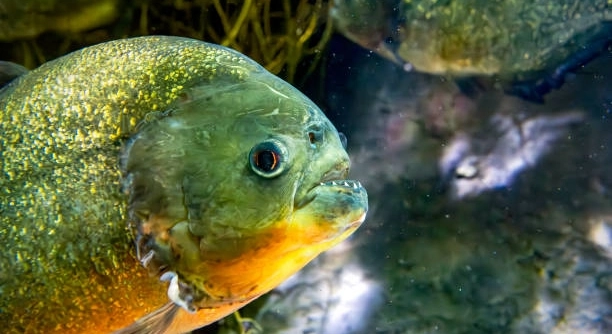
Keeping a piranha as a pet may sound unusual to many, but some people do choose to keep them. These fish have a strong reputation, which makes understanding their care important before bringing one home. Proper knowledge helps ensure their well-being.
Yes, you can keep a single piranha in an aquarium, but it requires specific tank conditions, careful attention to water quality, and a suitable diet to meet its needs and prevent stress or aggression.
Learning how to prepare your tank and care for your piranha properly will make all the difference in maintaining a healthy fish. This article covers what you need to do before getting started.
Understanding Piranha Behavior
Piranhas are often misunderstood because of their fierce reputation, but their behavior depends a lot on how they are kept. In the wild, they live in groups, which affects their social habits and stress levels. When kept alone, a single piranha can become less aggressive, but it still needs enough space to swim freely and feel secure. Providing hiding spots and a well-structured tank environment can help reduce stress. Watching how your piranha reacts to its surroundings is important, as changes in behavior might indicate health or comfort issues. A calm fish is usually a healthy one, so making sure the tank mimics their natural environment as much as possible can improve their mood and overall well-being.
Piranhas have sharp teeth and a strong bite, but they don’t usually attack unless they feel threatened or are stressed by poor conditions.
Taking the time to learn about their natural habits helps in setting up a tank that keeps a piranha happy and healthy, reducing the chances of unwanted behavior.
Preparing the Tank for a Single Piranha
A single piranha needs a tank that is at least 20 gallons to have enough room to swim and thrive. Water quality must be maintained with regular cleaning and filtering, as these fish produce waste that can build up quickly. The tank temperature should stay between 75 and 80 degrees Fahrenheit, mimicking their natural warm water habitat. A pH level of 6.5 to 7.5 is ideal. Adding plants and rocks gives them places to hide, which lowers stress and makes the fish feel safer. Lighting should be moderate because too bright or too dark can disturb their natural rhythm. Feeding a varied diet including live or frozen foods will help keep your piranha healthy and strong. Following these guidelines ensures the fish’s environment supports its health and behavior.
Feeding Your Single Piranha
Feeding a single piranha requires balance. Overfeeding can pollute the water, while underfeeding may harm its health. Aim to feed small portions once or twice a day.
A piranha’s diet should include a mix of protein sources like fish, shrimp, and insects. These foods supply the nutrients needed for growth and energy. Avoid feeding only one type of food, as variety supports better health. Occasionally, including some plant matter helps mimic their natural diet and adds fiber. Fresh or frozen foods are preferable over processed ones to maintain nutritional quality. Monitoring how much your piranha eats will prevent leftovers from spoiling the tank water.
It’s important to remove any uneaten food after 10 minutes to keep the tank clean. Clean water supports your fish’s immune system and prevents diseases. Regular feeding routines help the piranha stay active and healthy, reducing aggressive behavior linked to hunger or stress.
Monitoring Water Quality
Water quality directly affects a piranha’s health and behavior. Keeping water clean reduces the risk of illness and stress.
Test your tank water regularly for ammonia, nitrites, and nitrates, as these compounds can be harmful in high levels. Use a reliable water test kit to track these parameters. Perform partial water changes of about 20-30% weekly to remove toxins and refresh the tank. A good filter system helps maintain water clarity and balance by removing waste and debris. Avoid sudden changes in temperature or pH, as piranhas are sensitive to fluctuations. Consistent water care creates a stable environment where your piranha can thrive without unnecessary stress.
Tank Maintenance Tips
Regular tank maintenance is essential to keep your piranha healthy. Cleaning the tank and changing water prevent harmful bacteria buildup and maintain good water quality.
Avoid cleaning the entire tank at once, as this can stress your fish. Instead, clean decorations and glass surfaces gently and use a siphon to remove debris from the substrate.
Choosing the Right Tankmates
Piranhas are naturally aggressive, so choosing tankmates requires caution. Small or slow fish are not suitable companions, as they may become targets.
If you want to keep other fish, larger, fast-moving species with similar water needs might work, but it’s often safest to keep a single piranha alone.
Recognizing Signs of Stress
Watch for changes in behavior, such as hiding constantly, loss of appetite, or erratic swimming. These signs often indicate stress or illness.
Addressing stress quickly by checking water quality and tank conditions improves your piranha’s chances of recovery.
Handling Your Piranha Safely
Always use care when handling a piranha. Use a net instead of hands to avoid bites and reduce stress for the fish.
FAQ
Can a single piranha live happily alone?
Yes, a single piranha can live alone if its tank is large enough and properly set up. They are social fish in the wild, but many adapt well to solitary life if given enough space and environmental enrichment like hiding spots and plants. A well-maintained tank and regular care keep a lone piranha healthy and comfortable.
How often should I feed my piranha?
Feeding once or twice daily is sufficient. Overfeeding can pollute the water, while underfeeding harms the fish’s health. Small portions are best to prevent leftovers from spoiling. A balanced diet with protein sources like fish and shrimp helps keep your piranha strong and active.
What is the ideal tank size for one piranha?
A minimum of 20 gallons is recommended for a single piranha. They need enough swimming space to reduce stress and aggressive behavior. Larger tanks are better, especially if you plan to add tankmates or decorations that take up space.
Can I keep other fish with my piranha?
It’s usually risky to keep other fish with a piranha because they can be aggressive and may attack smaller or slower fish. If you want tankmates, choose large, fast-moving species with similar water requirements, but even then, watch for signs of aggression. Many piranha owners prefer keeping them alone.
How do I know if my piranha is stressed?
Signs of stress include hiding all the time, loss of appetite, sluggish movement, or erratic swimming. Stress can come from poor water quality, inadequate tank size, or sudden changes in environment. Regular checks on water parameters and tank conditions help prevent stress.
What water parameters are best for piranhas?
Piranhas prefer water temperatures between 75 and 80°F and a pH between 6.5 and 7.5. Regular testing for ammonia, nitrites, and nitrates is important to keep levels safe. Partial water changes weekly help maintain a clean, stable environment.
How do I clean my piranha tank without stressing the fish?
Avoid full water changes or deep cleaning all at once. Instead, perform partial water changes (20-30%) weekly. Clean tank walls, decorations, and remove debris gently. Using a siphon to clean substrate helps keep the tank tidy without disturbing the fish too much.
What should I feed a piranha besides live food?
In addition to live or frozen foods like fish and shrimp, piranhas can eat some plant matter and pellets made for carnivorous fish. Variety in diet supports good health, but avoid feeding only processed pellets. Fresh, natural foods are best for nutrition.
Can piranhas bite their owners?
Piranhas do have sharp teeth and can bite if provoked or stressed. It’s important to handle them carefully using nets and avoid putting your hands inside the tank when possible. Proper tank conditions reduce aggressive behavior and make bites less likely.
How long do piranhas live in captivity?
With good care, piranhas can live between 10 to 15 years. A stable environment, proper diet, and regular tank maintenance contribute to their longevity. Monitoring their health and behavior is key to a long, healthy life.
What lighting conditions do piranhas prefer?
Moderate lighting is best. Too bright or too dim light can stress piranhas. Providing shaded areas with plants or decorations helps create a comfortable space and mimics their natural habitat.
Is it okay to keep a piranha without a filter?
A filter is highly recommended because piranhas produce waste that can quickly pollute water. A good filtration system maintains water quality and reduces the need for frequent full water changes, keeping the fish healthy.
What temperature fluctuations are safe for piranhas?
Avoid sudden or large changes in temperature. Piranhas are sensitive to fluctuations and can become stressed or ill if water temperature varies outside the ideal range of 75-80°F. Use a reliable heater and thermometer to keep conditions steady.
Can piranhas be aggressive toward their own kind?
Yes, piranhas can show aggression toward each other, especially in cramped or stressful environments. Keeping only one piranha or providing a very large tank with enough hiding spots can reduce this aggression.
How do I handle a piranha safely during tank cleaning?
Use a fish net to gently catch and move the piranha when needed. Avoid using your hands, as their bite can be dangerous. Moving the fish carefully helps reduce stress and prevents injuries for both you and the fish.
Keeping a single piranha is possible, but it requires careful preparation and ongoing attention. These fish have specific needs when it comes to tank size, water quality, and diet. Providing a clean, stable environment helps the piranha stay healthy and reduces stress. While their reputation can make them seem dangerous, a well-cared-for piranha can live comfortably alone in a home aquarium. Understanding their behavior and needs is key to giving them a good life.
Proper feeding is very important for a single piranha. Overfeeding can quickly pollute the water and harm the fish, while underfeeding can lead to health problems and aggressive behavior. Feeding small amounts of varied food daily keeps your piranha active and strong. Keeping track of how much your fish eats and removing any leftover food will help maintain clean water. Clean water reduces the risk of disease and makes your piranha less likely to become stressed or aggressive.
Finally, regular maintenance and monitoring of your tank are essential. Testing water parameters, performing partial water changes, and cleaning the tank gently support your piranha’s health. A stable temperature and proper filtration also make a big difference. Handling your piranha with care and avoiding sudden changes in their environment will keep them calm. If you follow these basic steps, you can successfully keep a single piranha happy and healthy for many years.

Hello,
If you enjoy the content that we create, please consider saying a "Thank You!" by leaving a tip.
Every little bit helps us continue crafting quality advice that supports the health, happiness, and well-being of pets around the world, for pets of all shapes, sizes, and species.
We really appreciate the kindness and support that you show us!