
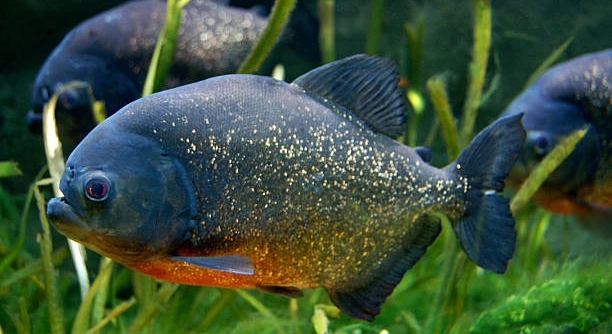
Piranhas are known for their appetite, but sometimes they may suddenly stop eating. This can be confusing and frustrating for anyone caring for these fish. Understanding what causes this behavior is important for their health.
When piranhas refuse to eat, common causes include water quality issues, stress, illness, improper diet, or changes in their environment. Identifying and addressing these factors promptly can help restore their normal feeding habits and well-being.
Checking these key areas can make a big difference in getting your piranhas back to eating normally and staying healthy.
Water Quality Issues
Maintaining good water quality is essential for keeping piranhas healthy and active. Poor water conditions can quickly stress your fish and cause them to stop eating. Factors such as high ammonia, nitrite, or nitrate levels can be harmful. Regular water testing helps catch these problems early. Also, ensure the tank is clean and the filters work properly. Temperature fluctuations can affect appetite too, so keep the water within the recommended range, usually between 75°F and 82°F (24°C to 28°C). Sudden changes in pH can also disrupt their comfort. Consistent care in monitoring and maintaining water parameters creates a stable environment, encouraging your piranhas to eat normally. Avoid overcrowding the tank, as this can worsen water quality and increase stress. Clean water and a stable environment are foundational to your piranhas’ health and feeding behavior.
Keeping the water clean and balanced often solves feeding issues and promotes a lively tank atmosphere.
A good routine of partial water changes, typically 20-25% weekly, helps maintain water quality without shocking the fish. Use a reliable water testing kit to check ammonia, nitrites, nitrates, pH, and hardness regularly. Avoid overfeeding, as leftover food can pollute the water and harm your piranhas. If you notice any water parameter outside safe limits, correct it gradually to prevent stress. Proper filtration and aeration support oxygen levels, which is vital for their metabolism and appetite. In short, consistent water care is key to getting your piranhas back to normal eating habits.
Stress and Environment
Stress can have a big impact on piranhas’ feeding behavior. Changes in the tank environment, such as new decorations, sudden noises, or frequent disturbances, may frighten them. Even rearranging the tank can cause stress, making them hesitant to eat. Piranhas prefer hiding spots and a calm space where they feel secure. Make sure your tank has enough plants or structures for cover. Avoid tapping on the glass or sudden movements near the tank. If there are other aggressive fish or overcrowding, this can also cause stress. Stress weakens their immune system and lowers their appetite. Creating a peaceful and stable environment helps piranhas feel safe and encourages regular feeding.
Reducing stressors in the tank can quickly improve their willingness to eat.
Keeping the tank in a quiet room away from heavy foot traffic or loud sounds reduces stress. Introduce changes slowly and give piranhas time to adjust. Providing proper tank mates, avoiding overcrowding, and ensuring plenty of hiding spots all contribute to a relaxed environment. Monitor behavior for signs of stress like hiding, erratic swimming, or lethargy. If stress is suspected, give the fish some quiet time with minimal disturbances. Over time, a calm setting supports their health and appetite, making feeding easier. Remember, stress is often overlooked but is a major factor in why piranhas might refuse food. Paying attention to their comfort can restore their eating habits effectively.
Illness or Parasites
Illness or parasites often cause piranhas to lose their appetite. Common symptoms include lethargy, clamped fins, or visible spots on their bodies. Immediate attention is needed to prevent worsening health.
Many diseases, like bacterial infections or parasites, can affect piranhas and reduce their feeding. If you notice unusual behavior or physical changes, isolating the sick fish is important. Treating the water with appropriate medication can help. Regular observation helps catch problems early, making treatment more effective.
Poor water conditions and stress can weaken the immune system, making piranhas more vulnerable to illness. Preventative care, including regular tank cleaning and monitoring, reduces the risk. Consult with an aquatic veterinarian or expert if symptoms persist. Proper diagnosis is key to restoring appetite and health.
Diet and Feeding Habits
Piranhas need a balanced diet to stay healthy and hungry. Feeding them only one type of food can cause them to lose interest.
Variety is essential. Offer a mix of live, frozen, and pellet foods to keep their diet interesting and nutritious. Avoid overfeeding, which can cause poor water quality and make them less eager to eat. Feeding smaller amounts more frequently helps simulate their natural feeding patterns.
Observe their preferences and adjust accordingly. Sometimes, piranhas reject food if it’s not fresh or if the feeding schedule changes abruptly. Consistent feeding times and good-quality food improve appetite and overall well-being.
Tank Size and Space
Piranhas need enough space to swim and feel comfortable. A cramped tank can cause stress and reduce their appetite.
Providing at least 20 gallons per piranha helps maintain a healthy environment and prevents aggression.
Water Temperature
Keeping water temperature stable is important. Sudden drops or rises can make piranhas stop eating.
Ideal temperature ranges between 75°F and 82°F (24°C to 28°C). Using a reliable heater and thermometer helps maintain this consistency.
Lighting Conditions
Bright or constantly changing light can stress piranhas. Dim or natural lighting is better for their comfort and feeding behavior.
Tank Mates
Aggressive or incompatible tank mates can cause stress and fear, leading piranhas to avoid food. Choose companions carefully to keep peace.
FAQ
Why are my piranhas not eating even though the water looks clean?
Clean water alone doesn’t guarantee your piranhas will eat. Sometimes, invisible issues like ammonia spikes or incorrect pH levels stress the fish. Water parameters can change quickly, so regular testing is important. Also, consider if there have been recent changes in temperature or tank setup that might upset them. Stress from handling or nearby disturbances could also cause refusal to eat despite clear water.
Can piranhas go without food for a few days?
Yes, piranhas can survive a few days without food, but it’s not ideal. In the wild, they might experience irregular feeding, so their bodies can handle short fasting periods. However, prolonged lack of food weakens their immune system and overall health. If your piranhas are not eating for more than three days, it’s time to check water quality, stress levels, and possible illnesses.
What should I feed piranhas to encourage eating?
A varied diet works best. Offer live or frozen foods like bloodworms, small fish, or shrimp, along with high-quality pellets. Changing food types keeps their interest. Freshness matters too — old or spoiled food is often ignored. Feeding small amounts regularly instead of one big meal helps mimic their natural habits and encourages consistent eating.
How often should I feed my piranhas?
Feeding adult piranhas every other day is usually enough. Juveniles may need daily feeding. Overfeeding can pollute the tank and lead to water quality problems that discourage eating. It’s better to provide amounts they can finish in a few minutes, reducing waste and keeping the environment healthy.
Can temperature changes cause piranhas to stop eating?
Yes, piranhas are sensitive to temperature swings. Even a few degrees outside their comfort range (75°F to 82°F) can reduce their appetite. Sudden drops or rises cause stress, making them less likely to eat. Use a heater and thermometer to maintain stable water temperature.
How do I know if my piranha is sick?
Signs include lethargy, clamped fins, faded colors, abnormal swimming, or spots on the body. Loss of appetite often accompanies illness. If you notice these symptoms, isolate the affected fish and test water quality. Seek advice on appropriate treatment quickly to prevent spreading.
Will adding new decorations or plants affect piranhas’ eating habits?
Yes, sudden changes in the tank setup can stress piranhas. New decorations may disturb their territory or create shadows that confuse them. Introduce changes gradually and allow time for adjustment. Providing enough hiding spots helps them feel secure and more likely to eat.
Are tank mates affecting my piranhas’ feeding?
Aggressive or incompatible tank mates can cause stress, leading to refusal to eat. Piranhas prefer calm environments with few disturbances. Avoid housing them with overly aggressive fish or species that nip fins. If problems persist, consider separating tank mates.
Is overfeeding a common problem?
Overfeeding is a frequent issue. Excess food can decay and harm water quality, which stresses fish and reduces appetite. It’s better to feed small portions that the fish can consume quickly. Remove uneaten food promptly to keep the tank clean.
Can stress cause piranhas to stop eating even if everything else seems fine?
Yes, stress is a major reason for loss of appetite. Causes include loud noises, frequent disturbances, overcrowding, or sudden environmental changes. Creating a calm and stable environment is crucial to help piranhas feel safe and encourage normal feeding behavior.
Final Thoughts
When piranhas stop eating, it can feel worrying, but it is usually a sign that something in their environment needs attention. These fish rely on stable water conditions, a proper diet, and a calm tank to stay healthy and active. Checking the water quality regularly is one of the best ways to prevent problems. Keeping the right temperature, cleaning the tank, and monitoring for any changes in ammonia, nitrites, and nitrates helps keep piranhas comfortable and ready to eat. Small problems can quickly become big issues if not addressed in time.
Stress plays a bigger role in piranhas refusing food than many people realize. Even if water quality and diet are perfect, frequent disturbances or an overcrowded tank can cause anxiety for your fish. Providing enough space, hiding spots, and quiet surroundings helps piranhas feel secure. If there are new decorations or tank mates, giving the fish time to adjust without sudden changes can improve their appetite. Avoid tapping on the glass or making loud noises around the tank, as this can make them nervous and less willing to eat.
Lastly, illness or parasites can sometimes be the reason piranhas won’t eat. Watch for signs like lethargy, discoloration, or unusual swimming. Early detection and treatment are key to helping your fish recover. A good routine of tank maintenance, proper feeding, and observation will prevent many health issues. By paying attention to these details, you can support your piranhas’ well-being and enjoy watching them thrive. Taking care of these fish requires patience, but the results are rewarding when they return to their normal, lively selves.

Hello,
If you enjoy the content that we create, please consider saying a "Thank You!" by leaving a tip.
Every little bit helps us continue crafting quality advice that supports the health, happiness, and well-being of pets around the world, for pets of all shapes, sizes, and species.
We really appreciate the kindness and support that you show us!