
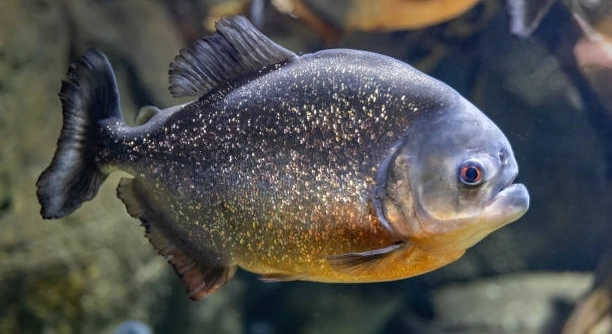
Introducing live food to a piranha can be an important part of its diet and care routine. Knowing how to do this properly helps keep your fish healthy and active. It’s a step that many piranha owners need to understand well.
The correct way to introduce live food to a piranha involves selecting appropriate prey, gradually acclimating the fish, and monitoring feeding behavior to avoid stress or injury. This process ensures the piranha adapts safely and receives proper nutrition.
Learning how to feed your piranha live food can improve its health and make caring for it more rewarding. The following steps will guide you through this important process with confidence.
Choosing the Right Live Food for Your Piranha
Selecting the right live food is the first step when feeding your piranha. Common options include feeder fish, shrimp, and worms. It’s important to choose food that is safe and nutritious. Avoid wild-caught prey, as they may carry diseases or parasites. Feeder fish like guppies or mollies are often used but should be healthy and quarantined before feeding. Shrimp and earthworms can provide variety and important nutrients. Size matters—live food should not be larger than your piranha’s mouth to prevent choking or injury. Make sure the food is active and fresh to stimulate natural hunting behavior. Feeding a balanced diet helps keep your piranha strong and reduces the risk of health problems.
Using a variety of live foods can keep your piranha interested and well-nourished. Rotate different options to avoid nutritional gaps.
Providing proper live food supports your piranha’s growth and natural instincts. Choosing carefully ensures safety and good health.
Preparing Your Piranha for Live Food
Before feeding live food, it is important to prepare your piranha. Start by fasting the fish for 24 hours. This helps clear its digestive system and increases its appetite. Make sure the tank water is clean and at the right temperature, as piranhas are sensitive to changes in their environment. Lower stress levels help the fish accept new food easily.
Gradual introduction is key. Begin by offering small amounts and watch how your piranha reacts. If it seems hesitant, try moving the food closer or tapping the tank gently to attract its attention. Avoid overfeeding during this phase to prevent water contamination and digestive issues. Feeding live prey helps maintain your piranha’s natural hunting skills and can improve its overall activity. Always supervise the feeding to ensure the fish is eating properly and no food is left uneaten, which could pollute the tank. This preparation phase sets a safe, healthy routine for your piranha’s live feeding.
Introducing Live Food Safely into the Tank
Make sure the live food is healthy and active before adding it to the tank. Remove any weak or dead prey immediately. This reduces the risk of water contamination and keeps your piranha safe from illness.
Start by placing a small amount of live food in the tank. Observe how your piranha reacts to the new prey. If it shows interest, let it feed, but avoid overfeeding at first. Feeding too much can cause water quality to drop quickly, stressing your fish. Keep the environment clean and monitor your piranha’s behavior closely during these feedings. Introducing live food slowly helps your fish adapt naturally without becoming overwhelmed.
Use a feeding schedule to keep consistency. Feeding live prey two to three times a week is enough for most piranhas. Fresh, clean water and good tank maintenance during this period will help your fish stay healthy and active while adjusting to live food.
Monitoring and Adjusting the Feeding Process
Watch your piranha carefully while it eats live food to ensure it is handling the prey well. Check for signs of distress or refusal. This helps you know if adjustments are needed.
If your piranha seems uninterested or stressed, try changing the type or size of live food. Some piranhas prefer slower or smaller prey. Keep an eye on water quality and remove any uneaten food quickly. Feeding habits may change with age or health, so be ready to adapt. Providing clean, fresh water after feeding helps keep your piranha’s environment stable and safe. Adjust feeding routines as needed to maintain your fish’s well-being and natural behavior.
Handling Live Food Properly
Always handle live food with clean hands or tools to avoid introducing bacteria into the tank. Rinse any feeder fish or insects before feeding to reduce contaminants. This keeps your piranha’s environment safe and healthy.
Store live food in a cool, clean container with proper aeration. Avoid overcrowding to prevent stress and death before feeding. Healthy live food improves your piranha’s nutrition.
Avoiding Common Feeding Mistakes
Feeding too large or too many live prey at once can cause injury or water pollution. Overfeeding leads to poor water quality, which stresses piranhas and invites disease.
Always remove uneaten live food promptly. Dead prey can quickly spoil the tank environment. Feeding small amounts more frequently is safer and better for your piranha’s health.
Cleaning After Feeding
Remove leftover live food immediately after feeding to maintain tank cleanliness. This prevents water pollution and keeps your piranha healthy.
Signs of Stress or Illness from Live Food
Watch for changes in behavior or appetite after introducing live food. Stress or illness may show as hiding, lethargy, or refusal to eat.
What live foods are safest for piranhas?
The safest live foods for piranhas are those raised in controlled environments, like feeder fish bred specifically for aquarium use. Examples include guppies, mollies, and small goldfish. Shrimp and earthworms are also good options. Avoid wild-caught prey because they can carry parasites and diseases that might harm your fish. Always quarantine live food before feeding it to your piranha to reduce risk.
How often should I feed my piranha live food?
Feeding live food two to three times per week is usually enough. Piranhas can get all necessary nutrients from a balanced diet that includes pellets, frozen, or prepared foods on other days. Overfeeding live prey can pollute the water and cause health issues. Maintaining a consistent feeding schedule helps keep your piranha healthy and reduces stress.
Can piranhas eat any type of live food?
Not all live food is suitable for piranhas. Avoid anything too large, as it can cause choking or injury. Also, steer clear of prey that might fight back aggressively or have sharp spines. Stick to small, slow-moving, or easily caught animals like feeder fish, worms, or shrimp. Size and safety are the main concerns when selecting live prey.
What should I do if my piranha refuses live food?
If your piranha isn’t interested in live food, try smaller prey or different types like worms or shrimp. Sometimes, hunger level affects interest, so try fasting the fish for 24 hours before offering live food. Changing the feeding location or gently tapping the tank can attract attention. If refusal continues, check water quality and overall health, as stress or illness might affect appetite.
Is it necessary to quarantine live food before feeding?
Yes, quarantining live food is important. It helps ensure no diseases or parasites enter your piranha’s tank. Keep the live food in a separate container with clean water for a few days, observing for any signs of illness or stress. Quarantine reduces the risk of contaminating your piranha’s environment and keeps them healthy.
How do I prevent live food from polluting the tank?
Only feed small amounts of live prey and remove any leftovers quickly. Uneaten live food can die and decompose, polluting the water and stressing your piranha. Regular tank maintenance, like water changes and cleaning, also helps keep water quality high. Feeding live food in moderation is key to preventing tank issues.
Can live food cause aggression in piranhas?
Live food can stimulate natural hunting behavior, which might look like increased aggression during feeding times. However, it doesn’t usually cause long-term aggression toward tank mates if they are compatible species. Monitor your fish during feeding to avoid fights, and provide enough space to reduce stress. Feeding live food regularly can actually help keep piranhas mentally stimulated.
Are there risks in feeding only live food?
Feeding only live food can lead to nutritional imbalances because live prey might lack certain vitamins or minerals. It can also increase the chance of diseases if food is not properly quarantined. A mixed diet including pellets, frozen, and live foods provides better overall nutrition and reduces risks associated with live prey alone.
What size should live food be for piranhas?
Live food should be no larger than the width of your piranha’s mouth. Feeding prey too big can cause choking or injury. Smaller prey also encourages natural hunting behavior. Observe your fish to find the right size, and adjust as it grows. Keeping live food appropriately sized is important for safe feeding.
How do I tell if my piranha is stressed from live feeding?
Signs of stress include hiding more than usual, loss of appetite, or erratic swimming. If your piranha avoids live food or shows aggression toward tank mates after feeding, it could be stressed. Poor water quality often causes stress, so test your water regularly and keep it clean. Adjust feeding habits if stress signs persist.
Introducing live food to your piranha can be a helpful way to keep your fish healthy and active. It is important to choose the right type of live food, one that is safe and nutritious. Feeder fish, shrimp, and worms are common options, but wild-caught prey should be avoided because they may carry diseases. Taking time to prepare the live food properly and making sure it is fresh can make a big difference in your piranha’s wellbeing. This careful approach helps avoid stress and health problems.
Feeding live food should be done in moderation. Too much live prey can cause water quality to drop, which can harm your fish. It is best to feed live food two to three times a week and keep the rest of the diet balanced with pellets or frozen foods. Watching your piranha’s behavior during feeding helps you understand how it responds and if any adjustments are needed. Clean tank water and proper feeding habits go hand in hand to keep your piranha strong and lively.
Monitoring your piranha closely while introducing live food is important. Signs of stress, like hiding or refusal to eat, may mean changes are necessary. Removing leftover live food quickly keeps the tank clean and reduces risks of illness. By following these simple steps and paying attention to your fish’s needs, feeding live food can be a safe and rewarding part of your piranha care routine. It supports natural instincts and contributes to a healthier, happier fish.

Hello,
If you enjoy the content that we create, please consider saying a "Thank You!" by leaving a tip.
Every little bit helps us continue crafting quality advice that supports the health, happiness, and well-being of pets around the world, for pets of all shapes, sizes, and species.
We really appreciate the kindness and support that you show us!