
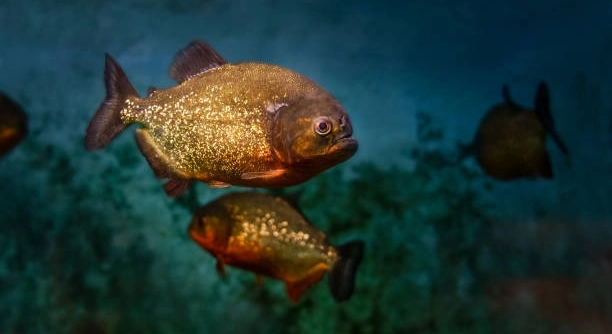
Piranhas are often seen as fierce predators, but they sometimes hide instead of hunt openly. This behavior can puzzle fishkeepers and nature watchers alike. Understanding why piranhas lurk in hiding is important for maintaining their health and environment.
Several issues can cause piranhas to hide, including stress from poor water quality, lack of adequate space, insufficient food, presence of aggressive tank mates, illness, sudden environmental changes, and lack of proper hiding places. These factors impact their behavior and well-being significantly.
Knowing these causes helps in creating a better environment for piranhas. This article explains the main reasons behind their hiding behavior and offers insights to improve their care.
Poor Water Quality
Poor water quality is one of the most common reasons piranhas choose to hide. If the water contains high levels of ammonia, nitrites, or nitrates, it can cause stress and discomfort. Dirty water also reduces oxygen levels, making it harder for piranhas to breathe. Sudden changes in water temperature or pH can further upset them. Many people overlook regular water testing and changes, which are essential to keep the tank healthy. When water conditions are poor, piranhas retreat to corners or hiding spots to avoid discomfort. Keeping the tank clean with frequent partial water changes and monitoring water parameters carefully can prevent this issue. This is especially important since piranhas are sensitive to shifts in their environment.
Poor water quality directly affects piranhas’ health and behavior, encouraging hiding and lethargy.
Ensuring stable water conditions helps piranhas feel secure and active. Testing water weekly and replacing about 25% of the tank water regularly keeps the environment safe. Avoid overfeeding, as leftover food can foul the water quickly. Using a good filtration system supports clean water, making it easier to maintain balance. Consistency in tank maintenance reduces stress and allows piranhas to thrive openly rather than hide in fear or discomfort.
Insufficient Space
Piranhas need ample space to swim freely and establish territories. When confined to a small tank, they often hide due to overcrowding and competition. Small tanks also increase stress levels, making piranhas less active and more prone to illness. Even if the water quality is good, limited space restricts natural behavior and can cause them to withdraw. Providing enough room for each fish reduces conflict and encourages natural swimming patterns. A minimum tank size of 75 gallons is generally recommended for a group of piranhas. This space allows for better water quality and less aggression. Proper tank size supports healthier fish and a more visible, active piranha population.
Lack of Adequate Food
When piranhas do not receive enough food, they tend to hide more often. Hunger can make them less active, conserving energy for when food is available. Regular feeding is essential to keep them healthy and visible.
Piranhas require a diet rich in protein to stay strong and energetic. Feeding them too little or with poor-quality food causes them to become withdrawn and less interactive. It is important to offer a variety of foods like fish, insects, and pellets designed for carnivorous fish. Overfeeding should be avoided, as it can pollute the tank and harm water quality, leading to more hiding. Consistent feeding schedules help maintain their natural behavior and reduce stress.
Providing enough food encourages piranhas to be more active and less likely to hide. Adjust feeding amounts based on their size and number to avoid both hunger and water pollution.
Presence of Aggressive Tank Mates
Aggressive tank mates cause piranhas to hide to avoid confrontation. Even a minor threat can make them seek shelter frequently. It is important to choose compatible species for a peaceful environment.
Having aggressive or territorial fish in the same tank increases stress for piranhas. Constant harassment leads to fear and injury, pushing them to hide for safety. Piranhas themselves can be territorial, so overcrowding or mixing incompatible species worsens conflicts. Avoiding aggressive tank mates reduces stress and encourages natural behavior. Selecting peaceful, similarly sized fish minimizes aggression and helps maintain harmony. Creating separate spaces or hiding spots can further reduce stress but cannot replace the need for compatible companions. Ensuring the right tank community supports healthier and more active piranhas.
Illness and Disease
Illness causes piranhas to hide as they feel weak and vulnerable. Sick fish often retreat to quiet areas to conserve energy and avoid threats.
Common illnesses include bacterial infections, parasites, and fungal growths. Early detection and treatment are crucial to prevent severe health decline. Keeping the tank clean and monitoring behavior helps catch problems early.
Sudden Environmental Changes
Piranhas react negatively to sudden changes like temperature drops or new lighting. These shifts cause stress, leading to hiding behavior.
Maintaining stable conditions and avoiding abrupt changes supports piranhas’ comfort and reduces the chance they will retreat from their usual activity.
Lack of Proper Hiding Places
Piranhas need secure hiding spots to feel safe. Without enough cover, they may hide more as a response to stress or fear.
How can I improve water quality to reduce hiding?
Regular water testing is essential to maintain good water quality. Check for ammonia, nitrites, nitrates, and pH levels weekly. Perform partial water changes of about 25% every one to two weeks. Avoid overfeeding to reduce leftover waste, which pollutes water. Using a strong filtration system helps keep the tank clean and stable. Keeping the water temperature steady within the ideal range also prevents stress. These steps create a healthier environment where piranhas feel safe and less likely to hide.
What is the best tank size for piranhas?
A minimum of 75 gallons is recommended for a small group of piranhas. Larger tanks reduce overcrowding and aggression. Piranhas are territorial and need enough space to swim and establish their areas. A roomy tank also helps maintain better water quality because it dilutes waste. Proper space means less stress and more natural behavior, including less hiding. When upgrading, plan for filtration and maintenance suited for the larger volume.
How often should I feed my piranhas?
Feed piranhas once or twice daily with appropriate portions. They need a diet rich in protein such as live or frozen fish, insects, and specialized carnivore pellets. Avoid overfeeding as it harms water quality. Uneaten food should be removed quickly. Consistent feeding schedules prevent stress and support active behavior. Adjust food amounts based on the number and size of your piranhas to keep them healthy and visible.
Can aggressive tank mates be kept with piranhas?
It is best to avoid aggressive or territorial species alongside piranhas. Aggressive tank mates cause stress, leading piranhas to hide or fight back. Piranhas themselves can be aggressive, so mixing different temperaments often results in conflict. Choose peaceful fish of similar size if you want tank mates. Providing plenty of hiding places helps reduce tension but does not replace the need for compatible species.
What signs indicate my piranhas are sick?
Look for changes like loss of appetite, lethargy, erratic swimming, faded colors, or visible wounds. Clamped fins, swollen bodies, or white spots also indicate illness. Sick piranhas often hide more and separate themselves from the group. Early detection and treatment improve recovery chances. Quarantine new fish and maintain excellent tank hygiene to reduce disease risks.
How do I treat sudden environmental stress?
Keep temperature, lighting, and water chemistry stable. Avoid sudden changes during cleaning or maintenance. When changes are necessary, make them gradually over hours or days. Use a thermometer and test kits to monitor conditions closely. Minimizing stress prevents hiding and supports overall health. Providing a consistent routine helps piranhas feel secure in their habitat.
Why do piranhas need hiding places if they are predators?
Even predators need shelter to feel safe. Hiding spots offer protection from stress and potential threats, including other piranhas. They also provide resting areas where piranhas can conserve energy. Without proper cover, piranhas become anxious and hide excessively. Including plants, rocks, or artificial caves in the tank encourages natural behavior and reduces stress.
How can I tell if my piranha’s tank is overcrowded?
Signs include frequent hiding, increased aggression, poor water quality, and stunted growth. If piranhas do not have enough space to swim and claim territories, they become stressed. Overcrowding raises the risk of disease and reduces oxygen levels. Monitoring fish behavior and tank conditions regularly helps prevent overcrowding issues. Providing adequate tank size and limiting fish numbers is crucial.
Final thoughts on why piranhas lurk in hiding help bring clarity to common challenges faced by those caring for these fish. Piranhas are sensitive creatures that respond quickly to their environment. Many factors influence their behavior, including water quality, tank size, diet, tank mates, and overall health. When any of these elements are not ideal, piranhas tend to retreat and hide as a natural coping mechanism. Understanding these reasons can help maintain a healthy tank and promote more active and visible fish.
It is important to keep the tank environment stable and clean. Regular water testing and timely water changes are key steps. A suitable tank size reduces stress and territorial disputes, allowing piranhas to explore rather than hide. Feeding a balanced diet on a consistent schedule supports their energy and wellbeing. Avoiding aggressive tank mates and providing adequate hiding spots creates a safer space for them. Recognizing early signs of illness and addressing them quickly also prevents prolonged hiding and discomfort.
By paying close attention to these factors, owners can create an environment where piranhas feel secure and thrive. Their natural behavior includes periods of rest and hiding, but excessive retreating signals a problem that needs attention. Careful maintenance and observation improve the fish’s quality of life and help owners enjoy their presence more fully. Consistency in care leads to stronger, healthier piranhas that spend more time active and visible in the tank.

Hello,
If you enjoy the content that we create, please consider saying a "Thank You!" by leaving a tip.
Every little bit helps us continue crafting quality advice that supports the health, happiness, and well-being of pets around the world, for pets of all shapes, sizes, and species.
We really appreciate the kindness and support that you show us!